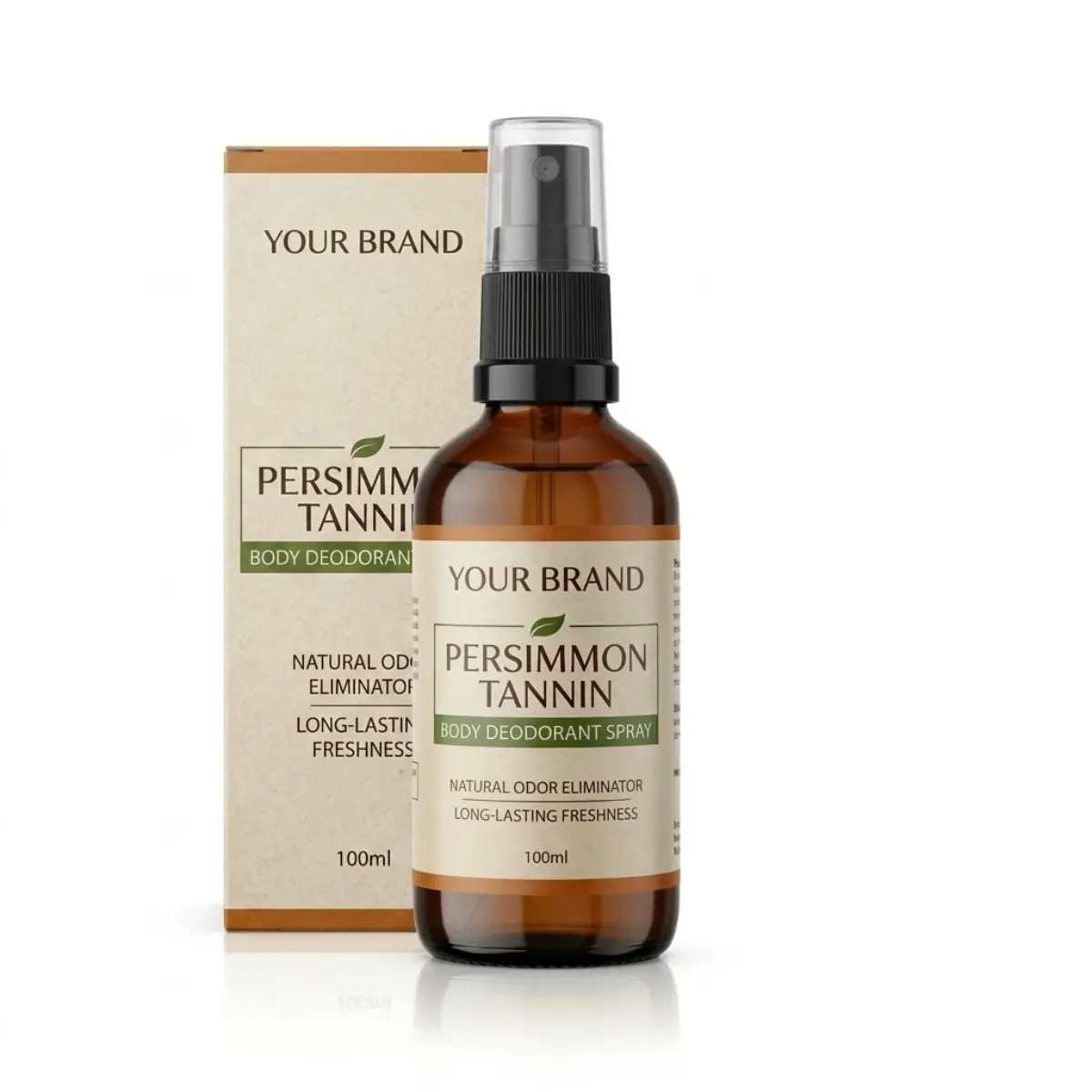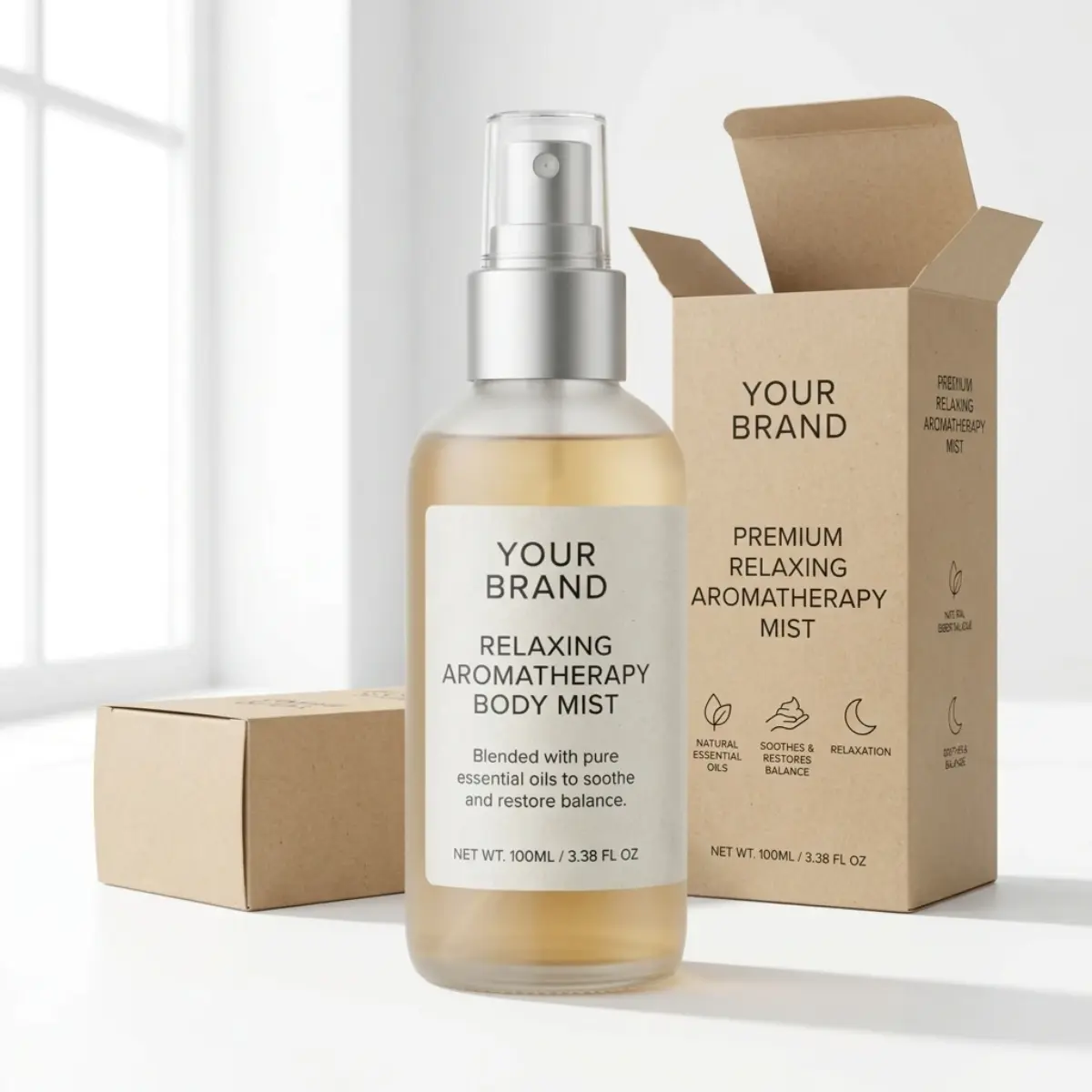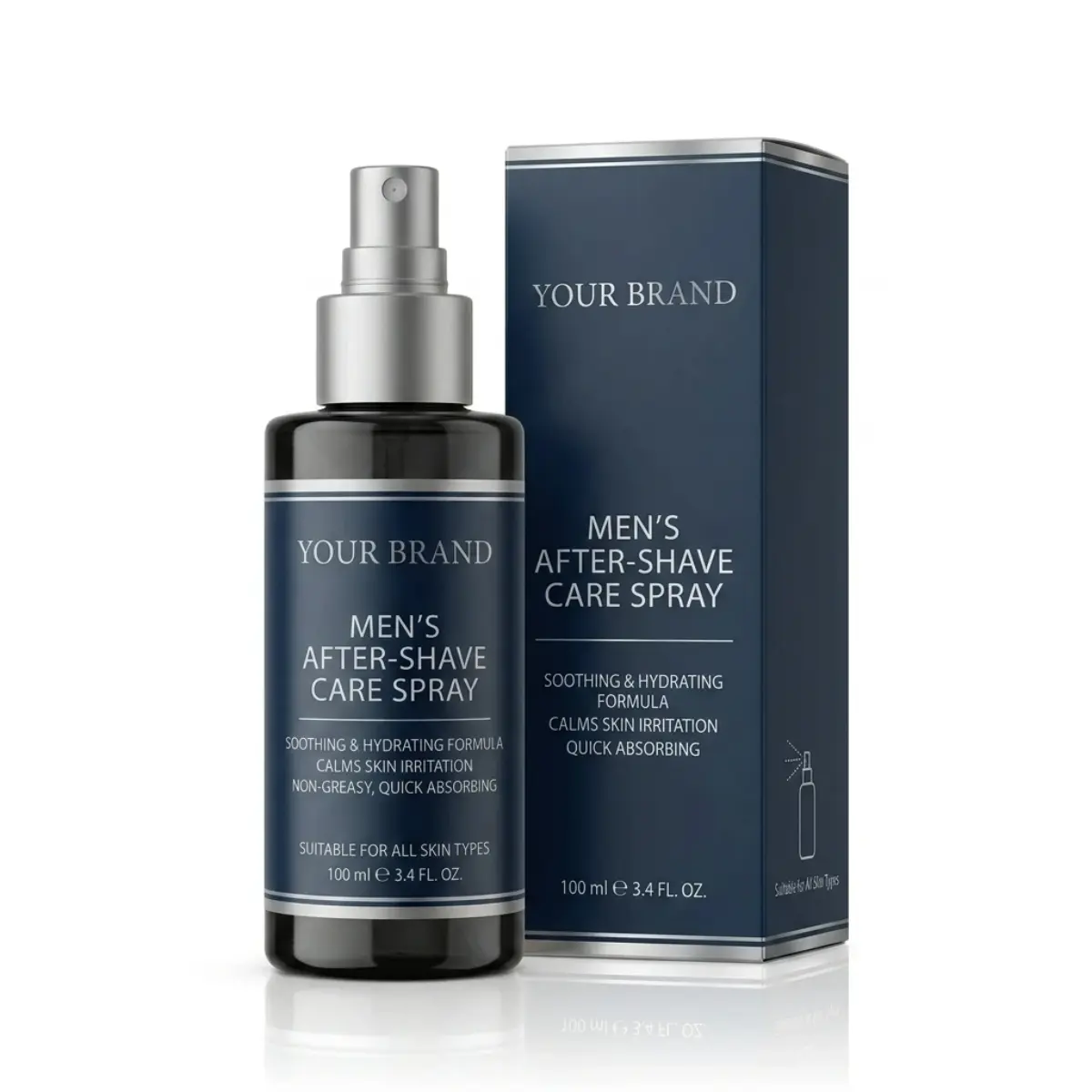

ما هو جل الاستحمام بالضبط؟
الأساسيات — من شخص يراقب كيفية تصنيعه
جل الاستحمام هو منظف سائل. هذه هي طبيعته الأساسية. وهو مصمم للاستخدام تحت الماء الجاري — تضغط العبوة لإخراجه، وتكوّن رغوة، وتوزعه على بشرتك، ثم تشطفه. وتستغرق العملية بأكملها ما بين ثلاث إلى خمس دقائق تقريبًا.
ما الذي يحتويه؟ في الغالب الماء، والمواد الخافضة للتوتر السطحي (وهي المكونات التي تُكوّن الرغوة وتزيل الأوساخ والزيوت عن بشرتك)، ونوع من المرطب أو عامل التكييف، والعطر، والمواد الحافظة للحفاظ على ثباته على الرف. وتعتمد النسبة الدقيقة على العلامة التجارية وما تهدف إليه. فبعضها يركز بشكل أكبر على مكونات ترطيب البشرة مثل الجلسرين أو حمض الهيالورونيك. بينما يعطي البعض الآخر الأولوية لتلك الرغوة الغنية والمُرضية.
من حيث القوام، يتراوح من خفيف وأقرب إلى المائي إلى كثيف وكريمي. لقد رأيت تركيبات تبدو كالعسل وأخرى تُسكب كالحليب. كلها جل استحمام، لكنها مجرد أساليب مختلفة.
لمن يناسب ومتى يُستخدم
تقريبًا الجميع. وهنا تكمن روعته — فجل الاستحمام هو منظفك اليومي العملي والخالي من التعقيد. تدخل إلى الحمّام، تستخدمه، ثم تخرج. انتهى الأمر.
تختلف فوائد ترطيب البشرة كثيرًا بحسب ما تحتويه التركيبة. فالجل المخصص للبشرة الجافة يضم مواد مطرية وزيوتًا ممزوجة به. أما المخصص للبشرة الدهنية أو المعرّضة لحب الشباب فقد يحتوي على salicylic acid أو tea tree. بينما تتجنب الإصدارات الخاصة بالبشرة الحساسة العطور والمواد الخافضة للتوتر السطحي القاسية.
شخصيًا؟ في صباح يوم اثنين مزدحم عندما أكون قد ضغطت زر الغفوة مرتين، أختار أقرب ما يكون إليّ — وعادةً ما يكون شيئًا برائحة حمضية تنشطني. أما عطلات نهاية الأسبوع فمختلفة. أختار شيئًا أكثر غنىً، ربما تركيبة تحتوي على shea butter، لأن لدي دقيقتين إضافيتين لأتركه على بشرتي قبل شطفه.
ما هي أملاح الاستحمام حقًا؟
أكثر من مجرد "أحجار فاخرة في مرطبان"
قالت زميلتي في العمل ذلك مرة — "أحجار فاخرة في مرطبان" — فضحكت، لكنها ليست مخطئة تمامًا بشأن مظهرها. تُصنع أملاح الاستحمام من بلورات قائمة على المعادن تُذاب في حوض استحمام كامل من الماء الدافئ. لا تفركها مباشرة على جسمك. بل تنقع نفسك فيها.
تكون القاعدة عادةً واحدة من ثلاثة أشياء: ملح إبسوم (magnesium sulfate)، أو ملح البحر الميت، أو ملح الهيمالايا الوردي. ويقدّم كل منها معادن تقشير مختلفة. يشتهر ملح إبسوم بالمغنيسيوم، الذي يقسم كثيرون بفعاليته لتهدئة العضلات المؤلمة. أما ملح البحر الميت فيمتلك تركيبة معدنية أوسع — potassium وcalcium وbromide. وملح الهيمالايا غني بالحديد، وهو ما يمنحه ذلك اللون الوردي.
تتضمن معظم أملاح الاستحمام التجارية أيضًا زيوتًا عطرية أساسية أو خلطات عطرية. وهنا يأتي عنصر العلاج العطري أثناء الاستحمام. Lavender للاسترخاء، وeucalyptus للاحتقان، وpeppermint للطاقة. يفتح الماء الدافئ المسام ويساعدك على استنشاق تلك الروائح فعليًا لفترة ممتدة. فالأمر ليس مجرد شمّة سريعة كما يحدث مع جل الاستحمام — بل هو عشرون دقيقة من الاستنشاق البطيء والثابت.
عامل التجربة
أملاح الاستحمام ليست منتجًا للتنظيف. أريد أن أكون واضحًا بشأن ذلك. إنها منتج للنقع. أنت لا تفرك شيئًا. بل تجلس في ماء غني بالمعادن وتترك جسمك يمتص ما يستطيع عبر بشرتك.
الفوائد التي يذكرها الناس: استرخاء العضلات، وتخفيف التوتر، ونعومة البشرة، وتقليل الالتهاب. بعض ذلك يعود إلى المعادن. وبعضه، بصراحة، يعود ببساطة إلى فعل الجلوس بهدوء في ماء دافئ لمدة عشرين دقيقة من دون النظر إلى هاتفك. وكلاهما مهم.
تحتاج إلى أمرين لاستخدام ملح الاستحمام بشكل صحيح — حوض استحمام ووقت. ما لا يقل عن خمسة عشر إلى عشرين دقيقة من النقع حتى تُحدث المعادن تأثيرًا فعليًا ذا معنى. هذا ليس منتجًا مناسبًا لصباح يوم الثلاثاء قبل العمل. بل هو منتج مناسب لليلة الجمعة بعد أسبوع طويل.
سأعترف أن نظرتي إلى أملاح الاستحمام تغيّرت تمامًا بعد أن شاهدت فريق التوريد لدينا يقيّم معادن البحر الميت الخام. إن رؤية البُنى البلورية الفعلية تحت التكبير، وفهم كيفية تحللها في الماء — جعلني ذلك أتعامل مع المنتج بجدية أكبر مما كنت أفعل من قبل.
مقارنة مباشرة: جل الاستحمام مقابل ملح الاستحمام
دعني أوضح هذا ببساطة لأنني أعلم أن الجميع لا يرغبون في قراءة فقرات طويلة عندما تكفي المقارنة.
الغرض: جل الاستحمام ينظف بشرتك. ملح الاستحمام يوفر نقعًا علاجيًا.
طريقة الاستخدام: يُرغى الجل مباشرة على جسمك. يذوب الملح في ماء الاستحمام — وأنت تجلس فيه.
الوقت المطلوب: خمس دقائق لروتين جل الاستحمام. أكثر من عشرين دقيقة لنقع ملحي مناسب.
فوائد البشرة: يوفر الجل تنظيفًا سطحيًا وترطيبًا. يمنح الملح امتصاصًا أعمق للمعادن وتقشيرًا لطيفًا من المعادن المقشرة المذابة.
الأنسب لـ: الجل هو خيارك اليومي. والملح هو طقسك الأسبوعي (أو كل أسبوعين).
المعدات المطلوبة: الجل يعمل في أي دُش. الملح يتطلب حوض استحمام.
طريقة انبعاث العطر: يمنحك الجل دفعة عطرية قصيرة تتلاشى سريعًا. بينما يخلق الملح تجربة استحمام علاجية عطرية ممتدة تدوم على بشرتك لساعات.
هل يمكنك استخدام كليهما؟ (نعم، وإليك كيف أفعل ذلك)
إنهما ليسا منافسين. إنهما زميلان في الفريق. بمجرد أن أدركت ذلك، أصبح روتين العناية الشخصية الخاص بي أفضل بكثير.
إيقاعي يبدو هكذا: جل الاستحمام يوميًا، ونقع بأملاح الاستحمام مرة أو مرتين أسبوعيًا عندما يتوفر لدي الوقت والطاقة. أيام الأسبوع مخصصة للاستحمام السريع. وعطلات نهاية الأسبوع مخصصة للنقع.
عندما أستخدم الاثنين في جلسة واحدة، أبدأ دائمًا بالنقع أولًا. عشرون دقيقة في حمام الأملاح، أترك المعادن تقوم بدورها، وأترك العلاج بالروائح يعمل على مستويات التوتر لدي. ثم أفرغ الحوض وأقوم بشطف سريع باستخدام جل استحمام لطيف لإزالة أي بقايا من الأملاح وترك بشرتي نظيفة بدلًا من أن تكون بطبقة لزجة. إنه مزيج رائع من خطوتين متتاليتين.
التعديلات الموسمية مهمة أيضًا. في الشتاء، عندما تصبح بشرتي جافة ومشدودة، أميل إلى استخدام جلسات نقع أثقل بأملاح مع زيوت — فالمعادن المقشرة تزيل الجلد الميت والزيوت تحبس الرطوبة. أما في الصيف؟ فأبقي الأمر أخف. جل استحمام منعش بالنعناع أو الخيار يفي بالغرض في معظم الأيام، وأحتفظ بحمامات الأملاح لما بعد رحلات المشي الطويلة أو جلسات النادي الرياضي عندما تكون عضلاتي في أقصى درجات الإجهاد.
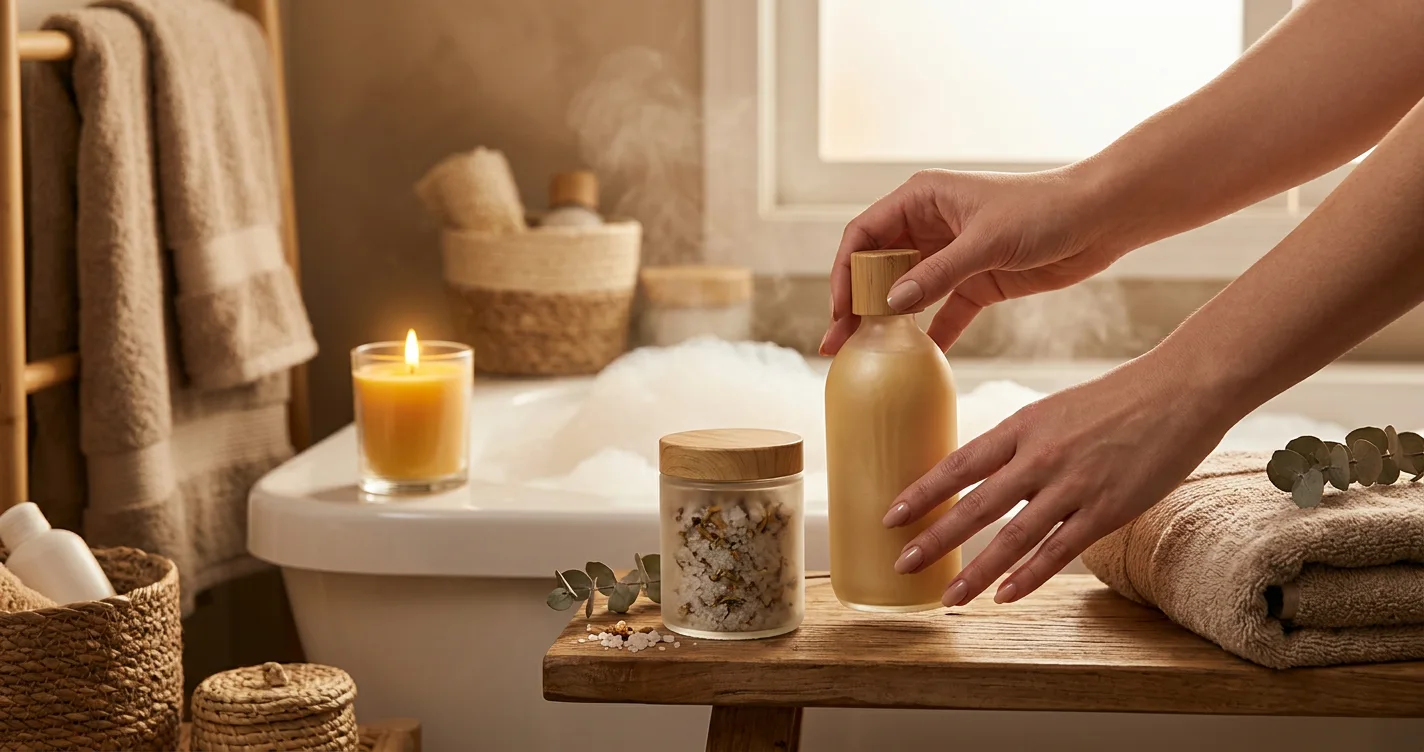
أخطاء شائعة أرى الناس يرتكبونها
الخطأ الأول: استخدام أملاح الاستحمام كمقشر للجسم. لقد شاهدت أصدقاء يلتقطون بلورات ملح جافة ويفركونها مباشرة على أذرعهم. أرجوكم لا تفعلوا ذلك. من دون تخفيف بالماء، تكون تلك البلورات كاشطة بما يكفي للتسبب في تمزقات دقيقة في بشرتكم. أذيبوها أولًا. هذه هي الفكرة بالكامل.
الخطأ الثاني: توقع أن يوفر جل الاستحمام فوائد علاجية. إنه منظف. ويمكن للنوع الجيد منه أن يرطب وتكون رائحته رائعة، لكنه لن يرخي عضلاتك أو يمد جسمك بالمغنيسيوم. منتج مختلف، ووظيفة مختلفة.
الخطأ الثالث: تجاهل قائمة المكونات في أملاح الاستحمام. ليس كل ما يُسوَّق على أنه "ملح استحمام معدني" يحتوي فعليًا على معادن مقشرة ذات قيمة. بعض الخيارات الأرخص تكون في معظمها ملح طعام مع زيت عطري وملون غذائي. اقرأ الملصق. وابحث عن المصدر المعدني الفعلي.
الخطأ الرابع: الشراء فقط بناءً على رائحة المنتج في المتجر. الرائحة مهمة، بالتأكيد. ولكن إذا كانت بشرتك حساسة واخترت ملح استحمام معطرًا بكثافة فقط لأن رائحته تشبه الحديقة، فقد ينتهي بك الأمر إلى التهيج والحكة. ضع نوع بشرتك أولًا، والرائحة ثانيًا.
بعض الأمور التي تعلمتها في العمل
العمل في التصنيع يمنحك منظورًا غريبًا من خلف الكواليس. وهناك بعض الأمور التي علقت في ذهني:
كلمة "natural" على الملصق هي في الغالب تسويق لا أكثر. لا يوجد لها تعريف تنظيمي صارم في معظم الأسواق. لقد رأيت منتجات تحمل وصف "natural" وتحتوي على عطور صناعية ومكونات مشتقة من البترول إلى جانب مستخلص نباتي واحد. وهذا ليس بالضرورة أمرًا سيئًا — فالمواد الصناعية لا تعني بالضرورة أنها ضارة — لكن لا تفترض أن "natural" تعني "pure" أو "minimal."
تُختبر ادعاءات ترطيب البشرة في بيئات خاضعة للرقابة. فعندما يقول جل الاستحمام "24-hour moisture," فإن ذلك يكون قد قيس على مجموعة صغيرة من الأشخاص في ظل ظروف محددة باستخدام جهاز corneometer (وهو جهاز يقيس محتوى الماء في البشرة). وستختلف نتائجك في المنزل، مع الماء العسر والتدفئة المركزية.
ما الذي أبحث عنه شخصيًا الآن عندما أتسوق؟ قوائم مكونات قصيرة أتعرف على معظم عناصرها. عطر لا يسبب لي صداعًا بعد عشر دقائق. وبالنسبة لأملاح الاستحمام تحديدًا، أريد أن أرى مصدر المعادن مذكورًا بوضوح — "Dead Sea salt" أو "magnesium sulfate," وليس مجرد "sea minerals."
الخلاصة: الأمر لا يتعلق بما هو أفضل أو أسوأ
جل الاستحمام وملح الاستحمام لا يتنافسان على المكان نفسه في روتينك. أحدهما ينظفك بكفاءة. والآخر يمنحك فرصة للتمهل والاعتناء بجسمك على مستوى أعمق. لا أحدهما متفوق على الآخر — فكل منهما يجيب عن احتياجات مختلفة تطرحها بشرتك وعقلك في أي يوم.
فكّر فيما تحتاجه فعلاً. صباح مستعجل؟ جل الاستحمام. ألم في الظهر بعد الجلوس إلى المكتب لمدة تسع ساعات؟ ملح الاستحمام. كلاهما في أمسية واحدة لأنك تستحق ذلك؟ تفضل.
في هذه اللحظة، وأنا أجلس على حافة حوض الاستحمام في منزلي، توجد زجاجة مستخدم نصفها من جل الاستحمام بالأوكالبتوس ومرطبان من ملح الاستحمام من Dead Sea مع زيت اللافندر. إنهما يوجدان معًا بانسجام تام. وفي معظم الليالي، لا أقرر حتى أيهما سأستخدم إلا عندما أدخل الحمام وأتوقف لأشعر بما يحتاجه جسدي. هذه هي الفلسفة كاملة، في الحقيقة. استمع إلى ما تحتاجه، ثم اختر الأداة المناسبة للمهمة.
الأسئلة الشائعة
هل جل الاستحمام هو نفسه غسول الجسم؟
بشكل عام نعم. يُستخدم المصطلحان بالتبادل في هذه الصناعة. وإذا كان هناك أي فرق، فهو أن "shower gel" قد يوحي أحيانًا بقوام أكثر شفافية وأقرب إلى الجل، بينما قد يكون "body wash" أكثر كريمية. لكن من حيث الوظيفة؟ إنهما الفئة نفسها من المنتجات. كلاهما من منتجات تنظيف الجسم السائلة المخصصة للاستخدام أثناء الاستحمام.
هل يمكنني استخدام أملاح الاستحمام إذا كان لدي دش فقط؟
إلى حد ما. يمكنك وضع كمية صغيرة في وعاء أو حوض صغير ونقع القدمين. يضع بعض الأشخاص الأملاح في كيس شبكي ويعلقونه على رأس الدش بحيث يمر الماء من خلاله — ستحصل على بعض العطر ولمسة طفيفة جدًا من المعادن، لكنه ليس مثل النقع الكامل. أنت بحاجة فعلًا إلى الغمر الكامل للحصول على الفائدة الكاملة.
هل أملاح الاستحمام آمنة للبشرة الحساسة؟
يعتمد ذلك على التركيبة. ملح Epsom العادي من دون عطور أو أصباغ مضافة يكون عادةً جيد التحمل. لكن أملاح الاستحمام ذات العطور القوية أو الألوان المضافة قد تهيّج البشرة سريعة التفاعل. ابدأ بكمية صغيرة، وانقع لمدة أقصر (ten minutes)، وراقب كيف تستجيب بشرتك قبل الالتزام بجلسة كاملة لمدة twenty-minute.
كم مرة ينبغي أن أستخدم أملاح الاستحمام؟
مرة أو مرتين أسبوعيًا هو المعدل المثالي لمعظم الأشخاص. قد تكون حمامات الملح اليومية مسببة للجفاف لبعض أنواع البشرة لأن المعادن تسحب الرطوبة. اعتبرها وسيلة تدليل لجسمك، وليست ضرورة يومية. جل الاستحمام المعتاد يتولى احتياجات التنظيف اليومية.
هل يرطّب جل الاستحمام بنفس قدر نقع أملاح الاستحمام؟
كلاهما يرطّب بطريقة مختلفة. يترك جل الاستحمام المرطّب عوامل مكيّفة على سطح بشرتك أثناء الشطف. أما نقع أملاح الاستحمام فيعمل على تليين البشرة من خلال التعرض المطول للماء وامتصاص المعادن. وبصراحة، لا يُغني أيّ منهما عن استخدام لوشن جسم جيد بعد ذلك. وللحصول على ترطيب فعلي يدوم للبشرة، ستظل بحاجة إلى الترطيب بعد أيٍّ منهما.
هل يمكن أن تنتهي صلاحية أملاح الاستحمام؟
الأملاح نفسها لا تفسد فعليًا — فالمعادن مستقرة. لكن الزيوت العطرية والعطور الممزوجة بها قد تتدهور بمرور الوقت، فتفقد فعاليتها أو تتغير رائحتها. يُفضَّل استخدام معظم أملاح الاستحمام خلال سنة إلى سنتين من فتح العبوة. إذا كانت رائحتها غير طبيعية أو بدا لونها متغيرًا، فقد حان وقت استبدالها.