
انظر، أنا أتفهم ذلك. أعمل لدى شركة مُصنِّعة لمنتجات العناية الشخصية، ومن أكثر الأسئلة شيوعًا التي تصل إلى بريدي الوارد — من الأصدقاء والعائلة، وحتى من أشخاص عشوائيين في حفلات العشاء بمجرد أن يعرفوا طبيعة عملي — صيغة ما من سؤال "هل يمكنني استخدام أملاح الاستحمام كل يوم؟" وهو ليس سؤالًا سخيفًا على الإطلاق. فبمجرد أن تكتشف مدى روعة الشعور بالنقع في أملاح الاستحمام بعد يوم طويل، ستود تكرار هذا الشعور كل ليلة. وأنا أيضًا فعلت ذلك.
لكن الإجابة ليست نعم أو لا ببساطة. لقد أمضيت معظم السنوات الست الماضية محاطًا بخبراء تركيب المستحضرات، وأطباء الجلدية الذين نتشاور معهم، وكميات هائلة من بيانات سلامة المكونات. لذا رأيت أن أوضح ما أعرفه فعلًا — ليس الكلام التسويقي المنمق، بل الأمور الحقيقية والعملية.
ما الذي تفعله أملاح الاستحمام فعليًا بجسمك
الأساسيات حول كيفية عملها
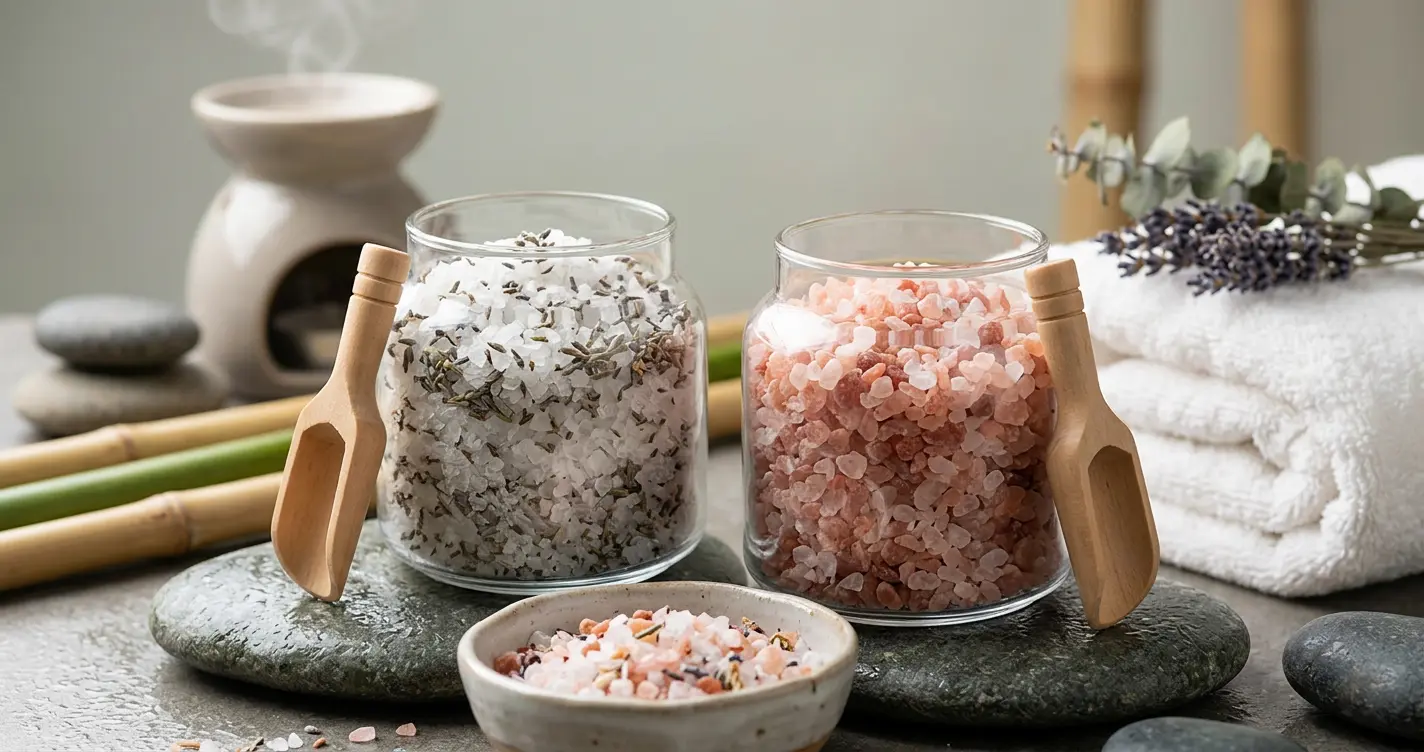
أملاح الاستحمام — من النوع المشروع للعناية الشخصية، بطبيعة الحال — تعتمد عادةً على عدد قليل من المركبات المعدنية الأساسية. يُعد ملح إبسوم (كبريتات المغنيسيوم)، وملح البحر الميت، وملح الهيمالايا الوردي، وملح البحر العادي من أبرز الأنواع. وعند إذابتها في الماء الدافئ، تحدث عدة أمور في الوقت نفسه.
أولاً، تسحب التأثيرات الأسموزية بعض السوائل من الأنسجة المتورمة، ولهذا تشعر قدماك المتعبتان بتحسن بعد ذلك. ثانياً، لا يزال امتصاص المغنيسيوم عبر الجلد محل نقاش في الأوساط السريرية، لكن العديد من المستخدمين يفيدون باسترخاء العضلات وتحسن النوم. وأشارت مراجعة أُجريت عام 2024 في Journal of Integrative Medicine إلى أن امتصاص المغنيسيوم عبر الجلد، رغم تواضعه، قد يساهم في فوائد الاسترخاء مع تكرار الاستخدام. ثالثاً، يعمل الملح نفسه على تقشير خلايا الجلد الميتة بلطف، كما تبقى المعادن النزرة على سطح الجلد مؤقتاً.
عامل الشعور بالراحة ليس مجرد تأثير وهمي
سأكون صريحاً — عندما بدأت العمل في هذه الصناعة لأول مرة، كنت متشككاً قليلاً بشأن فوائد أملاح الاستحمام بما يتجاوز الاسترخاء الأساسي. لكن بعد العمل عن قرب مع فريق البحث والتطوير لدينا وقراءة بيانات تجارب المستهلكين التي جمعناها على مر السنوات، بدا النمط ثابتاً. فالأشخاص الذين ينقعون أجسامهم بانتظام يفيدون بانخفاض توتر العضلات، ونعومة البشرة، وتحسن المزاج. وسواء كان ذلك بسبب المغنيسيوم، أو طقس الاستحمام بالماء الدافئ بحد ذاته، أو مزيج من الأمرين، فإنه ينجح مع كثير من الناس. وقد أصبحت مؤمناً بذلك، على مضض في البداية، لكنني مؤمن به مع ذلك.
مسألة الاستخدام اليومي: ماذا تقول الأدلة
الحجج المؤيدة
يحافظ بعض الأشخاص بالفعل على روتين يومي لاستخدام أملاح الاستحمام من دون مشكلات. وفيما يلي الحالات التي ينجح فيها ذلك عادةً:
- أنت تستخدم كمية معتدلة. يكفي ربع كوب إلى نصف كوب لحوض استحمام قياسي. والزيادة لا تعني نتائج أفضل.
- بشرتك سليمة عموماً وليست عرضة للجفاف أو الأكزيما.
- أنت تنقع جسمك لمدة 15–20 دقيقة، وليس ساعة كاملة. المدة أكثر أهمية مما يعتقده معظم الناس.
- أنت تستخدم مرطباً بعد ذلك. هذه هي الخطوة التي يتجاهلها الجميع، وهي التي تحدد نجاح العادة اليومية أو فشلها.
في لجان المستهلكين الداخلية لدينا، أفاد المشاركون الذين التزموا بهذه الإرشادات واستخدموا النقع اليومي لمدة 30 يوماً بتجارب إيجابية للغاية. وظلت مؤشرات ترطيب البشرة مستقرة، وكان مستوى الرضا مرتفعاً. وقد كان ذلك مفاجئاً بالفعل لبعضنا في الفريق.
الحجج المعارضة — وهي مشروعة بالفعل
هنا يجب أن أتخلى عن قبعة "أملاح الاستحمام رائعة" وأتحدث معك بصراحة. قد يتسبب النقع اليومي في أملاح الاستحمام في مشكلات لبعض الأشخاص. وأكثر المشكلات التي رأيت الإبلاغ عنها شيوعًا تشمل:
جفاف البشرة وتهيّجها. الملح مادة استرطابية — فهو يسحب الرطوبة. وإذا لم تعوّض هذه الرطوبة بعد الاستحمام، فإن الاستخدام اليومي لأملاح الاستحمام سيجعل بشرتك مشدودة ومتقشرة خلال أسبوع أو أسبوعين. وقد رأيت هذا يحدث لزملاء عمل تحمسوا أكثر من اللازم لاختبار المنتجات.
تفاقم حالات الجلد الموجودة مسبقًا. الإكزيما والصدفية والجروح المفتوحة أو السحجات — يكون الملح في هذه الحالات مزعجًا إلى مؤلمًا بالفعل.
الحساسية تجاه العطور والأصباغ المضافة. هذا الأمر يزعجني مهنيًا لأنه يمكن تجنبه بسهولة. فالكثير من المنتجات في السوق تحتوي على عطور صناعية وألوان اصطناعية ومواد حافظة قد تكون مقبولة أحيانًا، لكنها قد تصبح مهيِّجة مع التعرض اليومي. إذا كنت ستنقع يوميًا، فاختر البساطة. من دون عطور. وبأقل قدر من المكونات.
التأثير على السباكة وحوض الاستحمام لديك. حسنًا، هذه ليست مسألة صحية، لكنها حقيقية. فقد تؤدي حمامات الملح اليومية إلى تآكل بعض التركيبات وترك ترسبات معدنية. مجرد أمر يجدر أخذه في الاعتبار قبل الالتزام بذلك.
ما الذي أوصي به فعليًا
النقطة المثالية التي يستقر عندها معظم الناس
استنادًا إلى كل ما رأيته — البيانات، وآراء أطباء الجلد، وتجربتي الشخصية — فإن النقع في أملاح الاستحمام ثلاث إلى أربع مرات أسبوعيًا هو المعدل المثالي لمعظم البالغين. ستحصل على الفوائد التراكمية لروتين منتظم من حمامات ملح إبسوم دون إرهاق حاجز الرطوبة في بشرتك.
ومع ذلك، فإن الاستخدام اليومي ليس مستبعدًا. لكنه يتطلب قدرًا من التعمد والوعي أكثر مما يتوقعه معظم الناس.
روتين يومي لأملاح الاستحمام ينجح بالفعل
إذا كنت ملتزمًا بجعل هذا جزءًا من روتينك اليومي، فإليك النهج الذي أوصي به بناءً على ما تعلمته من العمل في هذا المجال:
1. اختر ملح Epsom عاديًا أو ملح البحر الميت من دون أي عطور مضافة. اقرأ قائمة المكونات. إذا كانت أطول من ثلاثة أو أربعة عناصر، فأعد التفكير.
2. استخدم كمية أقل مما تعتقد أنك تحتاج إليه. نعم، ربع كوب يكفي للنقع اليومي. احتفظ بالكميات السخية لحمام الاسترخاء الأسبوعي.
3. اجعل الماء دافئًا لا ساخنًا. فالماء الساخن يزيل الزيوت الطبيعية من بشرتك بسرعة أكبر. ومع الملح، فهذه وصفة مؤكدة للجفاف.
4. اجعل مدة النقع 15 دقيقة كحد أقصى في أيام الاستخدام اليومي. أعلم، أعلم — يبدو ذلك قصيرًا جدًا. لكن بشرتك ستشكرك.
5. جفف بالتربيت — دون فرك — ثم ضع مرطبًا غنيًا أو زيتًا للجسم بينما لا تزال بشرتك رطبة قليلًا. فهذا يساعد على حبس الترطيب ويقاوم آثار أملاح الاستحمام المسببة لجفاف البشرة.
6. استمع إلى بشرتك. إذا لاحظت احمرارًا أو حكة أو شدًا لم يكن موجودًا من قبل، فخفف الاستخدام. فجسمك بارع في إخبارك عندما يكون شيء ما أكثر من اللازم.
اعتبارات خاصة تستحق الذكر
ينبغي للنساء الحوامل استشارة مقدم الرعاية الصحية قبل اعتماد أي روتين لأملاح الاستحمام، خاصة مع أملاح Epsom، نظرًا لمحتوى المغنيسيوم ومخاوف درجة حرارة الماء. كما يجب على الأشخاص الذين يعانون من مشكلات في الكلى توخي الحذر عند استخدام الأملاح المعتمدة على المغنيسيوم. أما بشرة الأطفال فهي أرق وأكثر حساسية — لذا فإن الاستخدام اليومي لأملاح الاستحمام غير موصى به للأطفال.
ليست كل الأملاح متساوية
هذا أمر أتمنى لو أن مزيدًا من المستهلكين يدركونه. فالتجربة التي تحصل عليها تعتمد بدرجة كبيرة على ما تضعه فعليًا في الماء.
ملح Epsom هو الأفضل لآلام العضلات والاسترخاء. وهو مناسب عمومًا للاستخدام اليومي باعتدال. ملح البحر الميت يوفر تغذية غنية بالمعادن للبشرة، لكن انتبه لاحتمال الجفاف مع النقع المتكرر. ملح الهيمالايا الوردي مناسب للصحة العامة، ويُعد لطيفًا بما يكفي للاستخدام المنتظم في العادة. الخلطات المعطرة أو الملونة رائعة للتدليل العرضي، لكنها ليست مثالية للاستخدام اليومي بسبب الإضافات.
إليك ما يزعجني في هذه الصناعة: لقد رأيت أملاح استحمام فاخرة باهظة الثمن تحتوي على قوائم مكونات أثارت استيائي، كما رأيت أكياس ملح إبسوم من الصيدليات بنقاء مثالي تمامًا. السعر لا يساوي الجودة في هذه الفئة. اقلب العبوة إلى الخلف. هناك تكمن الحقيقة.
الصورة الأكبر حول النقع اليومي
يجدر بالذكر أن سوق منتجات الاستحمام والعناية بالجسم قد شهد تحولًا ملحوظًا في السنوات الأخيرة. فقد نما قطاع "الروتين اليومي" من منتجات الاستحمام بنحو 18% على أساس سنوي وفقًا لبيانات الصناعة الأولية لعام 2026، مدفوعًا إلى حد كبير بإعطاء المستهلكين الأولوية لإدارة التوتر والعناية الذاتية في المنزل. وتقع أملاح الاستحمام في صميم هذا التوجه.
ولكن سواء كان ذلك توجهًا رائجًا أم لا، فإن بشرتك لا تهتم بما هو شائع. إنها تهتم بما يناسب ها.
الأسئلة الشائعة
هل يمكن أن تضر أملاح الاستحمام ببشرتي إذا استخدمتها يوميًا؟
نعم، يمكن ذلك إذا لم تكن حذرًا. يتمثل الخطر الرئيسي في فقدان الرطوبة. فاستخدام كمية كبيرة جدًا من الملح، أو النقع لفترة طويلة جدًا، أو إهمال استخدام المرطب بعد ذلك، يمكن أن يضعف حاجز البشرة مع مرور الوقت. ومع اتخاذ الاحتياطات المناسبة — كميات معتدلة، فترات نقع أقصر، وترطيب منتظم — يمكن لمعظم البالغين الأصحاء استخدامها يوميًا دون مشكلة.
كمية أملاح الاستحمام التي ينبغي أن أستخدمها لكل حمام؟
للاستخدام اليومي، التزم بحوالي ربع كوب (نحو 60 grams). أما للنقع الأكثر كثافة مرة أو مرتين أسبوعيًا، فيمكنك زيادة الكمية إلى كوب أو كوبين. تركيز الملح في الماء هو ما يحدد مدى تأثر بشرتك.
هل يُعد روتين حمام ملح إبسوم آمنًا كل ليلة؟
بالنسبة لمعظم البالغين الأصحاء، نعم. يُعد ملح إبسوم أحد الخيارات الأكثر لطفًا للنقع المتكرر باستخدام أملاح الاستحمام. ومع ذلك، إذا كنت تعاني من مشكلات في الكلى أو انخفاض ضغط الدم أو كنتِ حاملًا، فاستشر طبيبك أولًا. واحرص دائمًا على استخدام مرطب جيد بعد ذلك — لا يمكنني التأكيد على ذلك بما فيه الكفاية.
هل تساعد أملاح الاستحمام بالفعل في تخفيف التوتر، أم أن الأمر يقتصر على الماء الدافئ فقط؟
بصراحة؟ على الأرجح كلاهما. فالماء الدافئ يقوم بجزء كبير من التأثير — إذ يريح العضلات، ويحسن الدورة الدموية، ويحفّز استجابة الجهاز العصبي نظير الودي. وتضيف أملاح الاستحمام فوائد معدنية وتعزز التجربة الحسية بطريقة تعمّق الاسترخاء. ومن الصعب الفصل بين تأثير كل منهما بشكل واضح، حتى في الدراسات المنضبطة.
ما الفرق بين أملاح الاستحمام وكرات الاستحمام الفوارة للاستخدام اليومي؟
تحتوي كرات الاستحمام الفوارة عادةً على حمض الستريك، وصودا الخَبز، والعطور، والأصباغ، وأحيانًا الزيوت. وهي مصممة لتجربة حسية للاستخدام لمرة واحدة. أما أملاح الاستحمام فهي أبسط وأكثر قابلية للتخصيص. وللنقع اليومي، تُعد أملاح الاستحمام — وخاصة الأنواع البسيطة منها — الخيار الأكثر أمانًا ولطفًا على البشرة. أما استخدام كرات الاستحمام الفوارة يوميًا فمن المرجح أن يسبب تهيجًا لبشرة معظم الناس بسرعة.
هل يمكنني خلط أنواع مختلفة من أملاح الاستحمام معًا؟
بالتأكيد. أنا في الواقع أحتفظ بوعاء في المنزل أمزج فيه ملح Epsom مع قليل من ملح البحر الميت. فقط انتبه إلى الكمية الإجمالية التي تضيفها إلى حوض الاستحمام، وتجنب خلط المنتجات من علامات تجارية مختلفة قد تحتوي على أنظمة عطور أو مواد حافظة غير متوافقة. حافظ على البساطة وستكون الأمور على ما يرام.