
دليل صريح بضمير المتكلم من شخص أمضى عقدين من الزمن في قطاع العناية الشخصية — كُتب للمستخدمين العاديين، رغم أنني أظن أن بعض أصدقائي في مجال B2B سيومئون بالموافقة أيضًا.
الإجابة السريعة: نعم، ولكن مع تحفظ
دعوني أختصر عليكم فترة الترقب. يمكن لقطع الشامبو أن تكون فعّالة تمامًا مع الماء العسر. لقد رأيت ذلك بنفسي عبر آلاف عمليات الإنتاج. لكن نجاح قطعتك يعتمد على ثلاثة أمور: كيفية تركيبها، وما يحتويه ماء الصنبور لديك فعليًا، وكيفية استخدامها.
لذلك، إذا تركت إحدى القطع شعرك جافًا وخشنًا كالقش في الشتاء الماضي، فلا تستبعدي الفئة بأكملها. ربما لم تحصلي على الخيار المناسب فحسب. دعيني أوضح لك السبب.
أولًا، لنتحدث عمّا يفعله الماء العسر بشعرك فعليًا
مشكلة المعادن التي لا يحذّرك منها أحد
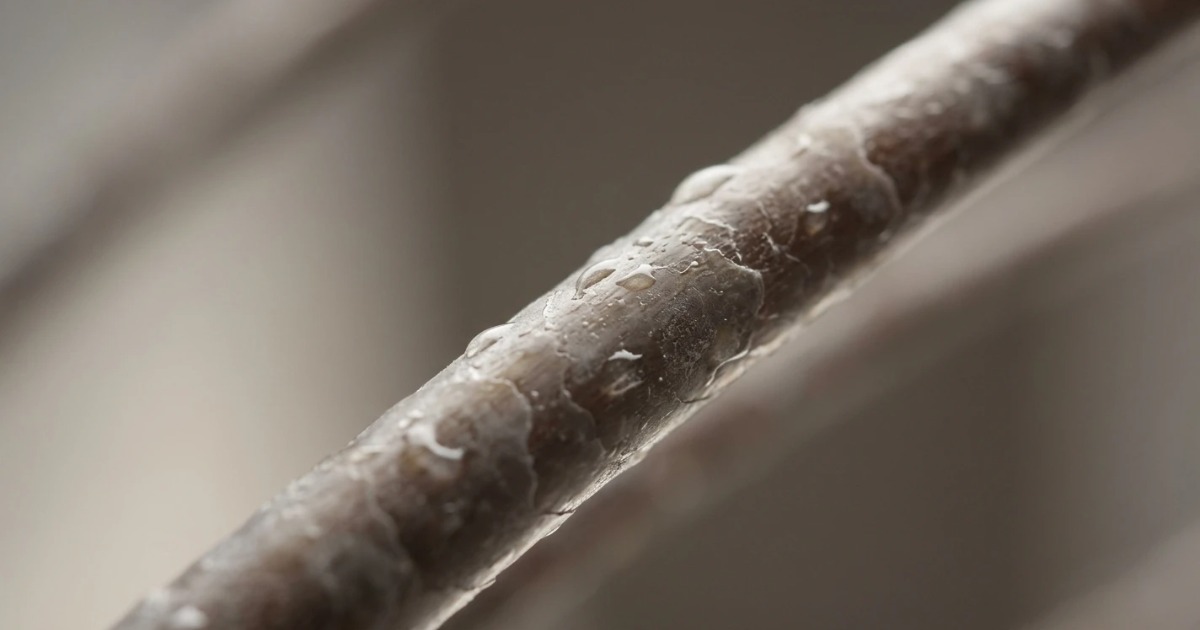
الماء العسر هو ببساطة ماء يحتوي على نسبة مرتفعة من أيونات الكالسيوم والمغنيسيوم الذائبة. هذه الجسيمات المشحونة الصغيرة شديدة الالتصاق على نحو مفاجئ. وعندما تلتقي ببعض عوامل التنظيف، ترتبط بها قبل أن يتمكن الشامبو من أداء وظيفته، ويستقر بعضها مباشرة على خصلات شعرك.
هذا هو السبب الجذري لمعظم الشكاوى المتعلقة بتراكم معادن الماء العسر في الشعر. إنها ليست أوساخًا، بل كيمياء تحدث على رأسك.
لماذا يحدث ذلك الشعور "الشمعي" أو "الغشائي"؟
أنت تعرفين هذا الإحساس. يبدو الشعر مغطى بطبقة ما، وثقيلًا قليلًا، وربما باهتًا مهما أكثرتِ من شطفه. يلوم الناس المنتج، وأحيانًا يكون ذلك منصفًا.
في كثير من الأحيان، ما تشعرين به هو بقايا قطع الشامبو مع الماء العسر — طبقة رقيقة تتركها المعادن وعوامل التنظيف عندما تتفاعل بدلًا من أن تُشطف بعيدًا بشكل نظيف. وتتراكم هذه الطبقة ببطء، ولهذا تتسلل المشكلة إلى الناس على مدى بضعة أسابيع.
ليست كل أنواع الماء العسر متساوية
إليك أمرًا تعلمته مبكرًا، إلى حد كبير من خلال التعامل مع الشكاوى الواردة من مناطق مختلفة جدًا. تختلف عُسرية المياه بشكل كبير تبعًا لمكان إقامتك. فبعض مناطق الغرب الأوسط في الولايات المتحدة، وأجزاء واسعة من أوروبا، ومعظم مناطق الشرق الأوسط تتميز بمياه عسرة فعلًا، بينما بالكاد تُسجّل مناطق أخرى أي عُسر.
وهذا الأمر أهم مما يدركه معظم الناس. فقد يبدو اللوح المصمم للمياه اليسرة منتجًا مختلفًا تمامًا عند استخدامه مع مياه استحمام غنية بالمعادن في سوق آخر.
إذًا، أين تندرج ألواح الشامبو؟
النوعان الأساسيان من ألواح الشامبو (هذا التمييز يغيّر كل شيء)
ألواح أساسها الصابون (المعالجة على البارد)
هذه هي ألواح الزيوت التقليدية المُصبّنة. تتميز بمظهر جميل، وغالبًا ما تكون مصنوعة يدويًا، ولدي تقدير حقيقي لهذه الحِرفة. لكنها تواجه صعوبة مع المياه العسرة، ولن أتظاهر بغير ذلك.
يتفاعل الصابون مع الكالسيوم والمغنيسيوم ليكوّن رواسب الصابون — وهي الطبقة الرمادية نفسها التي تفركها عن حوض الاستحمام. وعلى الشعر، هذا هو بالضبط الإحساس بالتغطية الذي يخشاه الناس. وليست المشكلة في صانع المنتج؛ بل هي طبيعة كيمياء الصابون.
ألواح السنديت والألواح القائمة على المواد الخافضة للتوتر السطحي
تستخدم ألواح السنديت منظفات صناعية — وهي مواد خافضة للتوتر السطحي — بدلًا من الصابون الحقيقي. وهنا يأتي دور خيار ألواح الشامبو الخالية من الكبريتات والمناسبة للمياه العسرة. إذ تتصرف هذه التركيبات بشكل أقرب بكثير إلى شامبو العبوات الذي اعتدت عليه.
ولأن المواد الخافضة اللطيفة للتوتر السطحي، مثل sodium cocoyl isethionate، لا تتفاعل مع المعادن بالطريقة نفسها التي يتفاعل بها الصابون، فإنها تُشطف بصورة أنظف وتقاوم تراكم الرواسب. وبناءً على تجربتي، فهذا هو النوع الذي يصمد فعلًا.
رأيي الصريح حول الخيار الأفضل
بعد كل هذه السنوات، توصلت إلى رأي راسخ إلى حد كبير: المشكلة ليست في شكل اللوح، بل في تركيبته. يمكن للوح سنديت مصمم جيدًا أن يتفوق على زجاجة من الشامبو السائل في المياه العسرة. أما لوح الصابون غير المتوازن جيدًا فسيسبب لك الإحباط مهما كانت طريقة استخدامك له.
لذلك عندما يسألني الناس عمّا إذا كانت ألواح الشامبو تستحق التجربة، أسألهم عمّا تحتويه القطعة التي جربوها. وعادةً ما يفسّر هذا السؤال الوحيد كل شيء.
كيفية جعل أي لوح شامبو أكثر فعالية مع الماء العسر
شطف الشعر بخل التفاح (حيلتي المفضلة)
هذه هي النصيحة التي أشاركها أكثر من غيرها، وتكلفتها تكاد لا تُذكر. إن اتباع روتين شطف الشعر بخل التفاح مع الماء العسر يُعدّ حقًا أحد أبسط الحلول التي أعرفها.
اخلط ملعقة إلى ملعقتين كبيرتين من خل التفاح الخام مع كوب من الماء. بعد غسل شعرك بالشامبو، اسكب الخليط على شعرك، واتركه لمدة ثلاثين ثانية تقريبًا، ثم اشطفه. تساعد الحموضة الخفيفة على إذابة طبقة المعادن وإغلاق قشرة الشعر، مما يجعل الخصلات أكثر نعومة.
ملاحظة شخصية سريعة: شعرت بالقلق من الرائحة في المرة الأولى. لكنها تختفي تمامًا مع جفاف شعرك، أعدك بذلك. أفعل هذا مرة أو مرتين أسبوعيًا، وشعري ممتن لي بسببه.
المعالجة المخلبية & التنقية — عندما تحتاج إلى إعادة ضبط
إذا تراكمت الرواسب لبعض الوقت، فلن يكفي شطف الشعر بالخل وحده لإزالة جميعها. كل بضعة أسابيع، يمنح شطف الشعر باستخدام منتج مخلب أو منظف شعرك بداية جديدة، إذ يرتبط بالمعادن العنيدة ويزيلها.
فكّر في الأمر باعتباره زر إعادة ضبط، وليس عادة يومية. فالإفراط في استخدامه قد يؤدي إلى جفاف شعرك، لذا اعتدل في ذلك.
تعديلات بسيطة على العادات تُحدث فرقًا فعليًا
- افرك اللوح بين راحتي يديك أولًا، ثم كوّن رغوة بين يديك قبل وضعها على الشعر — فهذا يوزّع المنظف بشكل أكثر تساويًا.
- اشطف شعرك لمدة أطول مما تظن أنك تحتاج إليه. فالماء العسر يتطلب فعلًا مزيدًا من الشطف حتى يصبح الماء صافياً.
- إذا كنت تريد حلاً أشمل، فإن فلتر الدش يقلل من حمولة المعادن قبل أن تلامس شعرك على الإطلاق.
ما الذي تبحث عنه في أفضل ألواح الشامبو للمياه العسرة
المكونات التي تشير إلى ملاءمة المنتج للمياه العسرة
عندما تبحث عن أفضل ألواح الشامبو للمياه العسرة، اقلب اللوح واقرأ الملصق. ابحث عن مواد خافضة للتوتر السطحي صناعية ولطيفة بدلاً من قائمة بالزيوت المتصبنة. تساعد عوامل التلطيف مثل behentrimonium methosulfate أو إضافة بسيطة من panthenol على الحد من أي خشونة تتركها المعادن.
لا تحتاج إلى شهادة في الكيمياء هنا. إذا بدت المكونات الأولى كأنها وصفة لصناعة الصابون، فتوقع خصائص الصابون.
عامل الأس الهيدروجيني (لماذا يهم بهدوء)
يكون الشعر في أفضل حالاته عند أس هيدروجيني حمضي قليلاً، يتراوح تقريباً بين 4.5 و5.5. أما الصابون الحقيقي فقلوي، مما يزيد خشونة طبقة البشرة ويجعل التصاق المعادن أسوأ. يحافظ لوح syndet المتوازن من حيث الأس الهيدروجيني على هدوء الأمور، ولا سيما في المياه الغنية بالمعادن.
كلمة عن الجودة & الاتساق
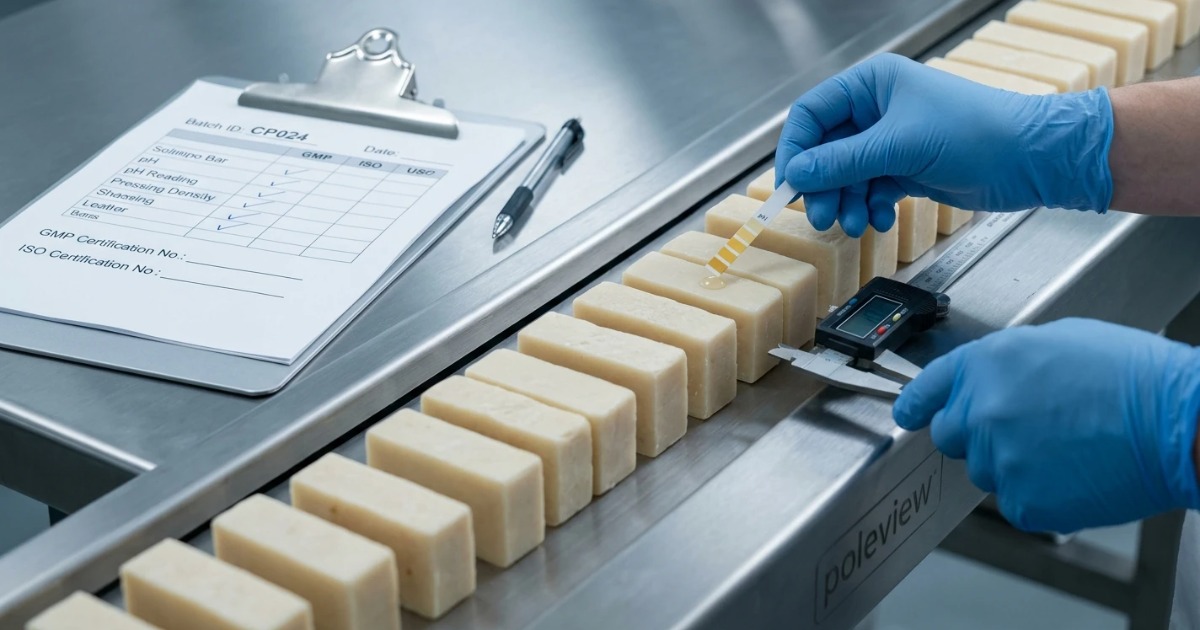
إليك أمراً لا يمكنني التحدث عنه بصدق إلا من الجانب التصنيعي. فقد يؤدي لوحان لهما قوائم مكونات متطابقة تقريباً أداءً مختلفاً تماماً، لأن الاتساق هو الجانب الذي يقصر فيه كثير من المصنّعين بهدوء. ويؤدي التفاوت بين الدفعات في نسب المواد الخافضة للتوتر السطحي، وكثافة الكبس، والتحكم في الأس الهيدروجيني إلى تغيير طريقة شطف اللوح.
تقدم الشركات المصنّعة ذات السمعة الطيبة — وهي الشركات الحاصلة على شهادات مثل GMP وISO والتي تجري فحوصات جودة سليمة — لوحاً يتصرف بالطريقة نفسها في كل مرة. وهذه الموثوقية تحديداً هي ما يميز اللوح اليومي الرائع عن اللوح المسبب للإحباط.
توقعات واقعية: كيف يبدو التحول فعلياً
فترة التكيف حقيقية
إذا كنت تنتقل من أنواع الشامبو السائلة الغنية بالسيليكون، فقد تشعر بأن شعرك مختلف قليلًا لمدة أسبوع أو أسبوعين. هذا يعني أن فروة رأسك وخصلات شعرك تستعيدان توازنهما، وليس أن قالب الشامبو لا يعمل. امنحه بعض الوقت قبل الحكم عليه.
علامات نجاحه مقابل علامات الحاجة إلى التعديل
يعمل بشكل جيد: يشعر الشعر بالنظافة، ويجف بحركة طبيعية، ولا يترك طبقة ثقيلة. يحتاج إلى تعديل: وجود ملمس شمعي مستمر، أو تشابك لا يخف، أو ملمس نظيف ومقرمش يتبعه جفاف. إذا لاحظت المجموعة الثانية، فأضف شطفة بالخل أو أعد النظر في ما إذا كان قالب الشامبو قائمًا على الصابون.
أفكار ختامية: الأمر يتعلق بالتوافق أكثر من القالب
إذا كان هناك درس واحد علّمتني إياه عقدان من العمل في هذه الصناعة، فهو أن قوالب الشامبو لا تفشل مع الماء العسر — بل إن عدم التوافق هو السبب. اختر التركيبة المناسبة، وأضف عادتين صغيرتين، ويمكن للقالب أن يحقق نتائج رائعة فعلًا في أماكن لا تتوقعها.
لذلك، تحلَّ ببعض الفضول بشأن ما تشتريه وكيف تتصرف مياهك. عندما يتوافق هذان العاملان، أعتقد أنك ستتفاجأ بمدى الراحة التي يمكن أن يمنحها قالب بسيط. وهذا صحيح سواء كنت تغسل شعرك بنفسك الليلة أو تفكر في القوالب التي سيعتمد عليها سوق بأكمله.
الأسئلة الشائعة
س: هل تترك قوالب الشامبو بقايا في الماء العسر؟
ج: غالبًا ما تفعل القوالب القائمة على الصابون ذلك، لأنها تتفاعل مع المعادن لتكوين رواسب صابونية. أما قوالب Syndet فهي أقل عرضة بكثير لترك بقايا شامبو في الماء العسر. يساعد الشطف جيدًا واستخدام شطفة حمضية من حين إلى آخر على الحد من معظم هذه البقايا.
س: هل قوالب الشامبو الخالية من الكبريتات أفضل للماء العسر؟
ج: عادةً نعم، رغم أن الأمر ينطوي على بعض التفاصيل. فخلوها من الكبريتات يجعلها ألطف على فروة رأسك، كما أن معظم القوالب الخالية من الكبريتات عالية الجودة تستخدم مواد خافضة للتوتر السطحي لا تتفاعل بشكل سيئ مع المعادن. فقط تحقق من أنها تركيبة Syndet حقيقية وليست قالب صابون أُعيدت تسميته.
س: كم مرة ينبغي أن أستخدم شطفة بخل التفاح؟
ج: يناسب معظم الأشخاص استخدامه مرة أو مرتين أسبوعيًا. إذا كان الماء عسرًا جدًا، يمكنك زيادة الاستخدام إلى ثلاث مرات، لكن راقب الجفاف وقلّل الاستخدام إذا بدأت أطراف شعرك تشعر بالهشاشة.
س: هل يمكنني استخدام قالب شامبو إذا كان الماء عسرًا للغاية؟
ج: نعم، يمكنك ذلك. اختر قالب syndet مُصاغًا جيدًا، والتزم باستخدام شطفات حمضية بانتظام، وفكّر في تركيب فلتر للدش. يتطلب الماء العسر للغاية قدرًا أكبر قليلًا من الجهد، لكنه 'قابل للإدارة تمامًا.
س: هل سيحل فلتر الدش المشكلة بالكامل؟
ج: سيساعد كثيرًا، لكنه 'ليس سحريًا. تقلّل الفلاتر محتوى المعادن بدلًا من التخلص منها، كما أنها تحتاج إلى تغيير الخراطيش بانتظام للحفاظ على فعاليتها. استخدمه مع قالب الشامبو المناسب وستحصل على أفضل نتيجة من كليهما.