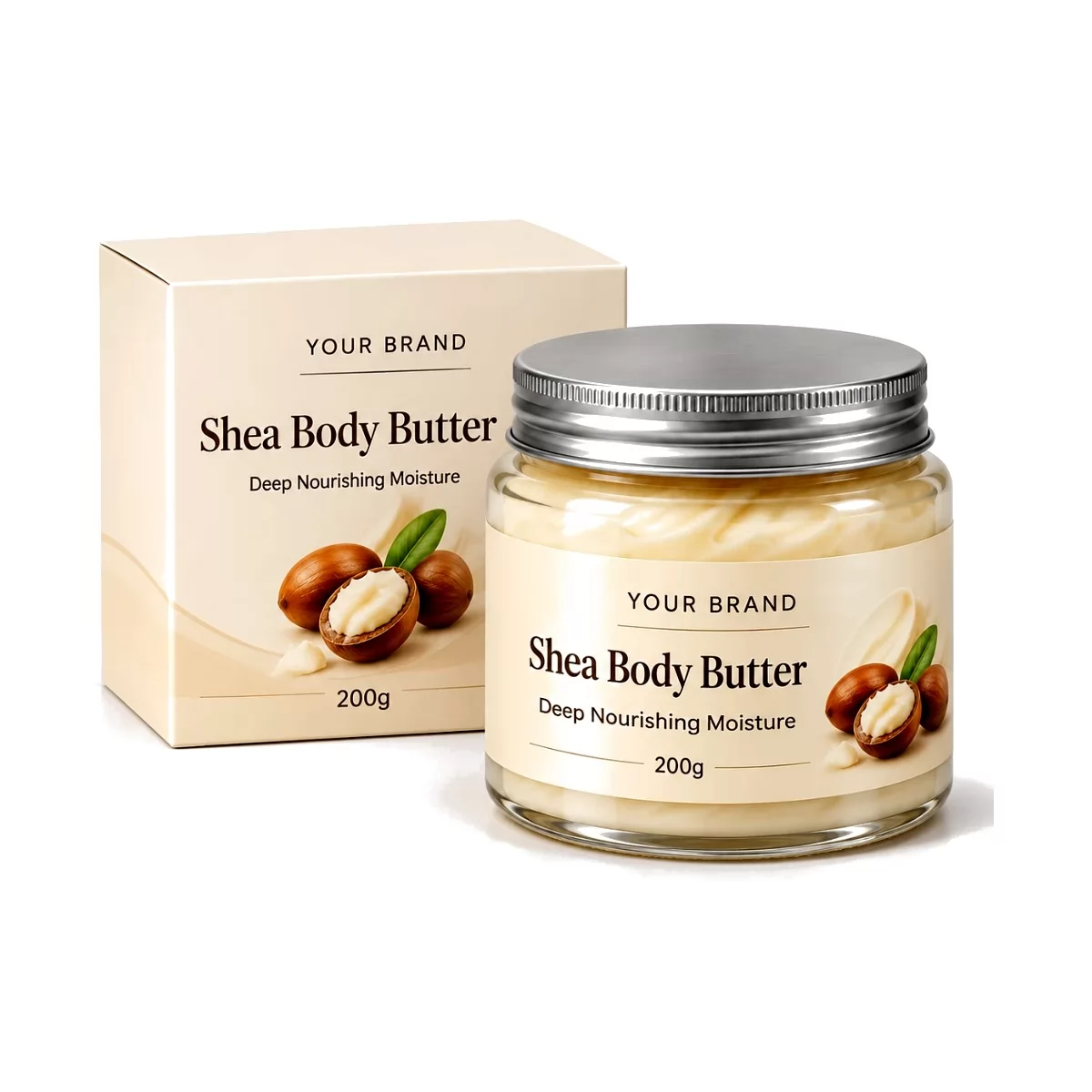

The tub floor is slick, your skin has a greasy film that the towel just smears around, and the jar on the shelf has been catching steam for two weeks. That is body butter in the shower done carelessly. The idea can work, but only if you check your skin, check your product, and then pick a method that suits both.
Can You Use Body Butter in the Shower? A Short Answer First
Yes, many people can use body butter in the shower, as long as the product suits wet use and you apply it the right way. The answer changes if your skin reacts easily, if the product is a heavy jar butter with strong fragrance, or if you have a skin condition that a doctor is already managing.
What "in the shower" actually means
People use the phrase for three different things, and they behave differently. A shower body butter is a product made to be used on wet skin, and some are rinsed off, some are partly rinsed. Regular body butter applied at the end of the shower means you turn off the water, then smooth it on while skin is still damp. And a jar kept in the bathroom is simply storage, which has its own problems with steam and wet hands.
Why Damp Skin Takes Moisture Differently
Skin that has just been wet holds extra surface water for a short while. A moisturizer put on during that window can slow the water's escape, so the skin often feels softer and less tight afterwards. That is the whole idea. It is not magic, and it does not repair anything. It just reduces how fast water leaves.
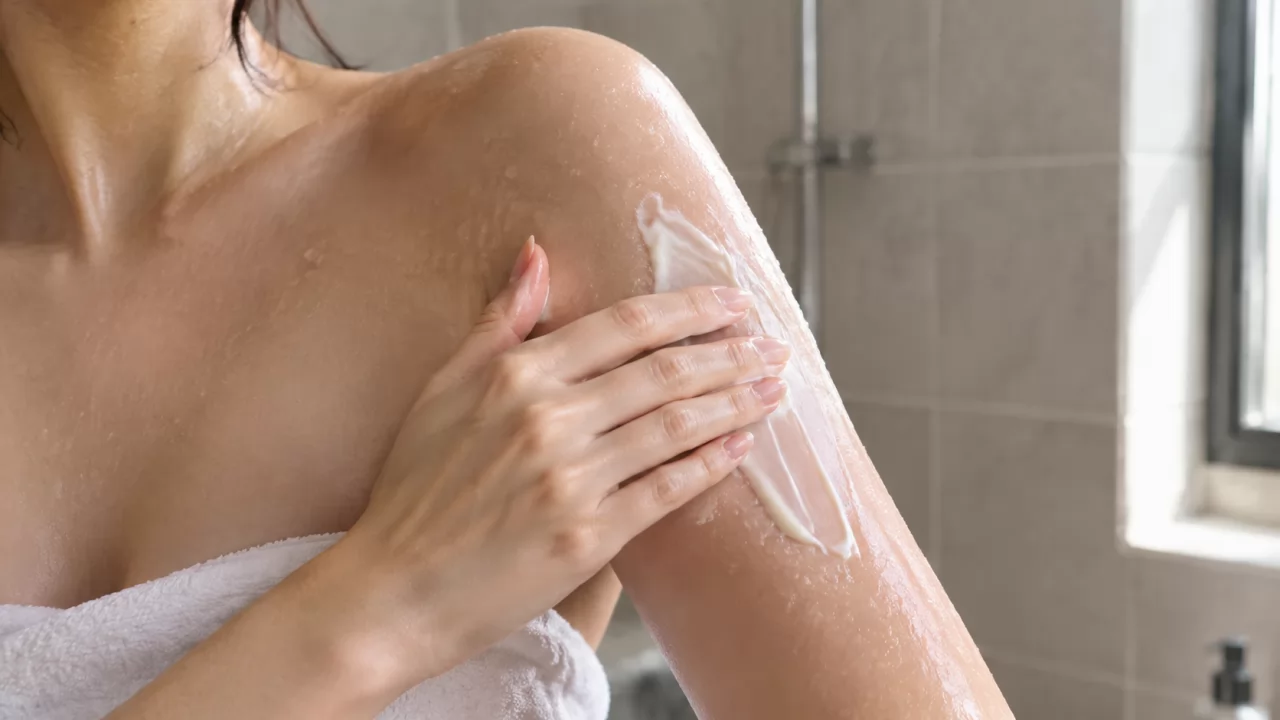
The effect fades. Hot water, long showers and harsh cleansers strip surface oils, which can undo part of the gain. So the method works with a gentle wash and moderate heat, not against them.
Occlusives, emollients and humectants in one minute
Most body butters mix three kinds of ingredients. Occlusives sit on the surface and slow water loss; dimethicone and petrolatum are common examples, and shea butter does some of this too. Emollients soften and smooth the skin's feel; shea butter and many plant oils belong here. Humectants attract water; glycerin is the usual one on an INCI list (the standard ingredient naming system printed on labels).
Heavy butters lean on occlusives. Lighter lotions lean on humectants and emollients. Knowing which is which helps you read a label later.
Body Butter in Shower Benefits and Risks: Know Both Before You Start
The benefits are mostly about habit and comfort. The risks are mostly about the room, the container and the formula. Neither list is long, but each item is real, so they are worth weighing against your own bathroom.
Where it helps
It saves a step. If you skip moisturizer because you are tired or rushed, putting it on while still in the shower removes the excuse. Many people also find that skin feels less tight right after rinsing, because the product goes on while water is still on the surface.
Where it goes wrong
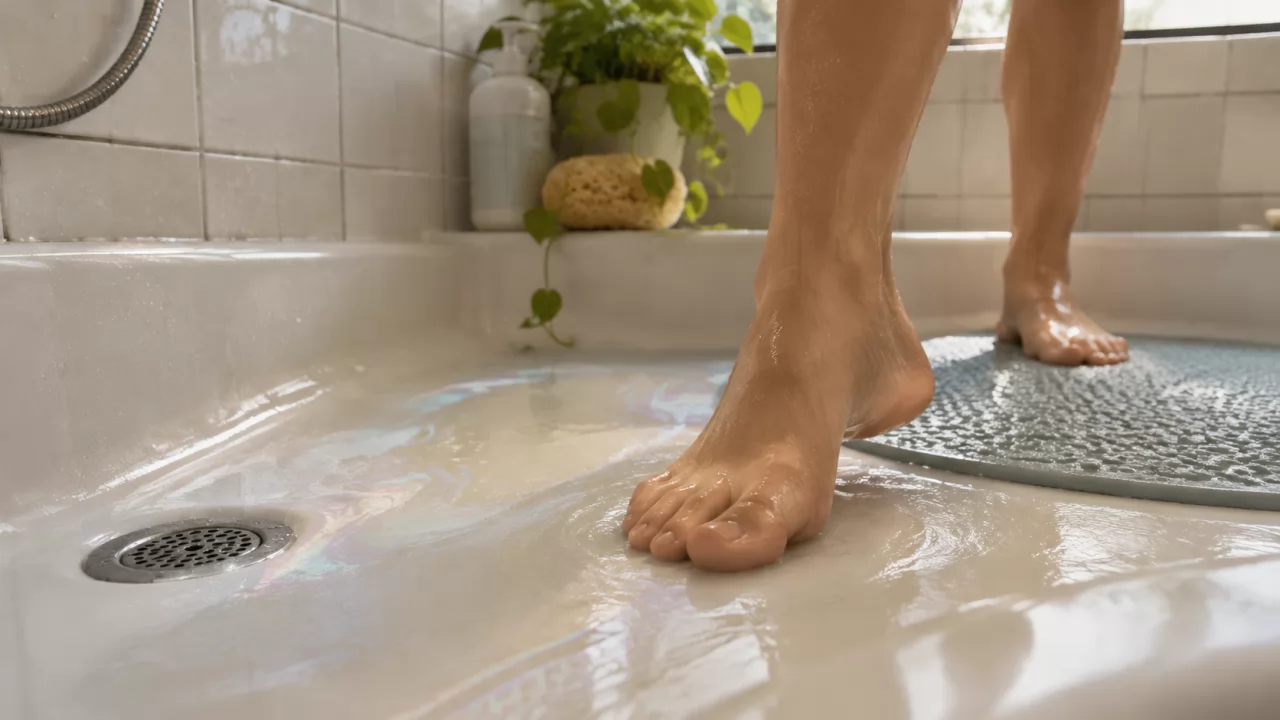
Oils and butters make tub and tile slippery. Some residue can also build in drains over time. Product put on before the final rinse may simply wash off, wasting it. Heavy formulas can leave a film that feels sticky under clothes. Fragrance is another catch: warm water opens up the feel of skin, and a strongly scented product may irritate more than it would on a cool, dry day. Finally, an open jar in a humid room and dipped into with wet fingers is an easy way to introduce bacteria and water into the product.
| Advantages | Limitations |
|---|---|
| Adds moisturizing to an existing routine | Floor and tub can turn slippery |
| Applied while skin is still damp | Product may wash off if rinsed too soon |
| Skin may feel less tight after rinsing | Heavy residue on some skin types |
| Fewer steps once you are out | Open jars can pick up water and germs |
For most people the gains are modest and the risks are manageable with the right packaging and a little care.
Who should be careful
Take extra care if your skin stings easily, if you know you react to fragrance, or if you have eczema, psoriasis or another diagnosed condition. In those cases, ask a doctor or pharmacist before changing products. Everyone else should patch test first.
Before using a new body butter all over, put a small amount on the inner forearm once a day for a few days. Leave it unwashed for the first hours if the label allows. Redness, itching or burning means stop and do not use it on larger areas.
Which Method Fits Your Skin and Your Bathroom?
Start with your skin, then your product, then the space you share. The order matters because a good method with the wrong product still fails.
If your skin is dry and tight after showers
Turn off the water, leave the skin damp, and smooth on a thin layer. Then pat with a towel instead of rubbing. A thick coat is not better; it only adds residue. Concentrate on shins, elbows and forearms, which tend to dry first.
If your skin is oily or breakout-prone
Choose lighter textures, such as a whipped or lotion-like body product, and use less of it. Keep heavy butters off the chest and back, where clogged pores are more likely. Wash off any rich product from those areas if they feel congested.
What to check on the label before you buy
Look at four things, roughly in this order of importance. First, the wording: does it say it is for use in the shower, or only for dry skin? Second, the packaging: a tube or pump keeps water and fingers out, while an open jar invites both. Third, the fragrance: if you react to scent, pick a fragrance-free or lightly scented option and look for fragrance or "parfum" on the INCI list. Fourth, the ingredient list itself: make sure nothing on it is something you already know bothers you. Rule of thumb: if the product does not say it is meant for wet use, apply it after the water is off.
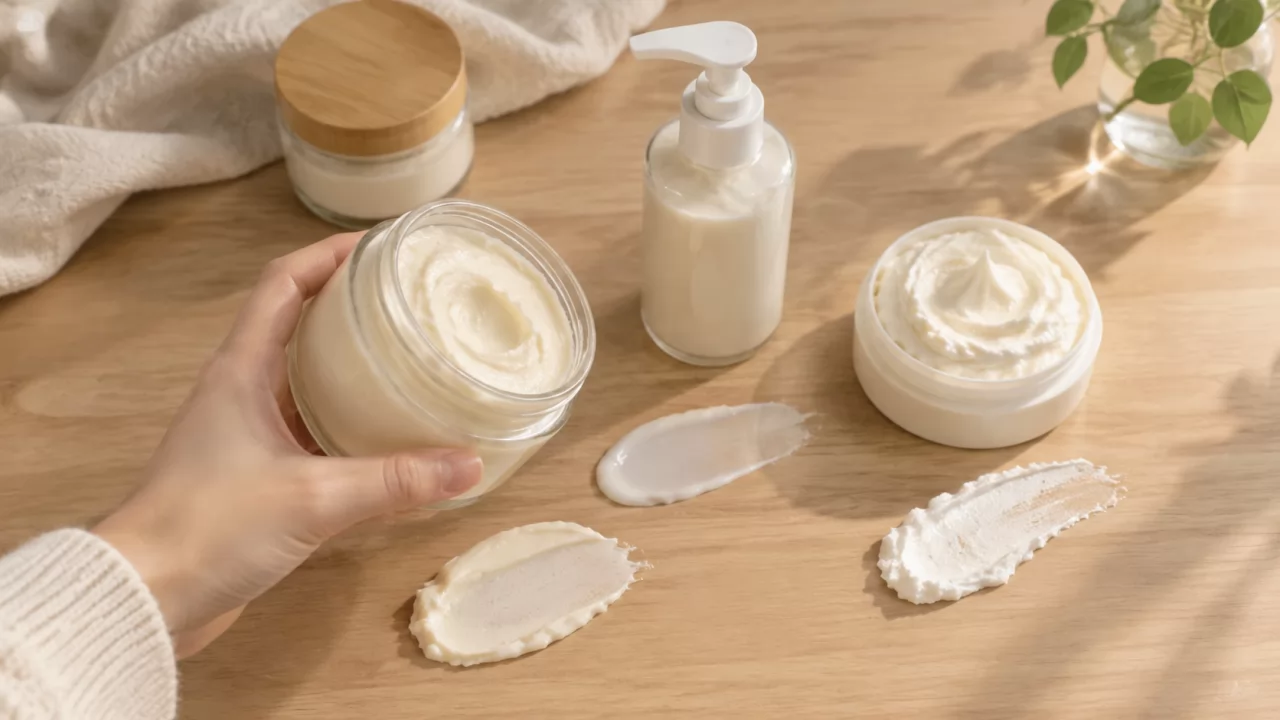
Quick comparison of the three routines
| Criterion | Rinse-off shower butter | Regular butter on damp skin | Regular butter on dry skin |
|---|---|---|---|
| Ease | Highest | Easy | Needs extra time |
| Slip risk | Higher | Lower if applied after water is off | Lowest |
| Residue | Usually light | Moderate | Can feel heaviest |
| Best for | Rushed routines | Dry, tight skin | Very careful slip control |
For most people, regular butter on damp skin with the water off is the safest middle path.
Shower Habits That Make or Break the Result
Water temperature matters more than the butter. Very hot water and long showers strip oils, so lukewarm and shorter is kinder to skin. Use about as much as fits in the palm of one hand for the whole body, then add only where skin still feels dry.
Protect the floor. Stand on a non-slip mat, dry your feet before stepping out, and rinse the tub surface if it feels slick. Store the product outside the spray zone.
Keep jars closed and dry between uses, and scoop with clean hands or a small spatula rather than wet fingers.
What Brands Should Know About Shower-Use Body Butter
If you make or sell these products, the formula, the container and the label all need to suit wet use. Tubes and pumps suit humid rooms better than open tubs, and the label should say clearly whether the product is rinsed off or left on. Rules differ by market, so compliance is checked case by case for each place you sell, such as the US, the EU, the UK and Gulf countries. Boymay makes private label bath and personal care products with custom formulas and packaging, which is relevant if you are building a shower body butter of your own.
Your Next Step
This week, patch test your current body butter on one forearm and check whether its label says shower or leave-on. If you are developing a product, write down your target market and packaging idea so a sample request can start from clear details.
FAQ
FAQ
Q: Is it safe to apply body butter in the shower every day?
A: For many people, yes, but it depends on your skin and the product. Patch test first, and stop if you see redness, itching or stinging.
Q: Should I rinse body butter off?
A: Only if the product is made as a rinse-off formula. A regular leave-on butter is meant to stay on the skin, so apply it after the water is off.
Q: Can body butter replace my regular moisturizer?
A: Sometimes. In dry seasons or on dry skin it often can, while oily or breakout-prone skin may do better with a lighter lotion.
Q: Will it make the tub slippery?
A: Yes, if used carelessly. Use a thin layer, turn off the water before applying, and keep a non-slip mat down.