
If you've ever Googled "bath salts," you probably noticed the search results are... confusing. Half the page talks about a relaxing soak after a long day. The other half reads like a crime report. So let's clear this up right away: this article is about the mineral-based bathing product — the stuff you toss into warm water to ease sore muscles and unwind. Not the illegal stimulant.
We'll touch on why the name overlap exists (briefly), then spend the rest of our time on what actually matters to most people searching this term: what bath salts are, what they do, and how to use them well.
Why "Bath Salts" Causes So Much Confusion
Between 2010 and 2012, news outlets ran wall-to-wall coverage of a new class of designer drugs called synthetic cathinones. Dealers packaged these psychoactive substances in small pouches labeled "bath salts" or "plant food" to skirt regulations and sell them openly in convenience stores. The media latched onto the name, and suddenly a centuries-old bathing product shared its identity with something dangerous and illegal.
The two have absolutely nothing in common beyond the label. Real bath salts are mineral compounds — think Epsom salt, sea salt, Dead Sea salt. Synthetic cathinones like MDPV are lab-made stimulants closer in chemistry to amphetamines. Different origin, different purpose, different universe.
With that distinction made, we're moving on. The rest of this piece is entirely about the bathing product.
A Quick History of Bathing with Mineral Salts
People have been soaking in mineral-rich water for thousands of years. Ancient Egyptians used Dead Sea salts in beauty rituals. Greeks and Romans built elaborate bathhouses around natural mineral springs, treating them as places for healing and socializing alike. In China, hot spring bathing was documented as far back as the Qin Dynasty.
The Dead Sea region earned its reputation for skin care because its water contains unusually high concentrations of magnesium, calcium, and potassium — minerals that interact with skin in beneficial ways. People still travel there specifically to float in that water.
Epsom salt entered the picture in 17th-century England, when a farmer in Epsom, Surrey noticed his cows refused to drink from a particular spring. The water tasted bitter, but locals discovered that soaking in it seemed to relieve aches and skin irritation. Chemists later identified the compound as magnesium sulfate.
By the mid-20th century, commercial bath salts became a drugstore staple. Scented, colored, packaged in jars — they shifted from folk remedy to mainstream self-care product.
What Are Bath Salts Actually Made Of?
Common Base Ingredients
Most bath salts start with one or more mineral salt bases:
- Epsom salt (magnesium sulfate) — the most popular and affordable option, known for muscle-soothing properties
- Dead Sea salt — mineral-rich, contains bromides and potassium alongside magnesium
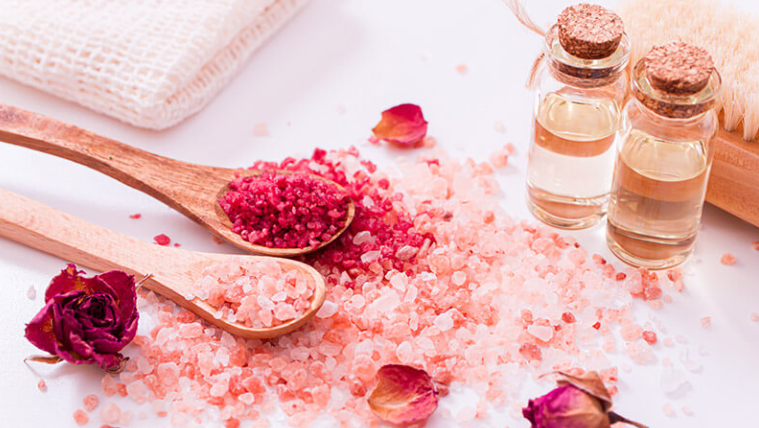
- Himalayan pink salt — mined from ancient deposits in Pakistan, contains trace minerals that give it color
- Sea salt — harvested from evaporated seawater (Mediterranean, Pacific, Celtic varieties)
- Dendritic salt — a fine-grained salt with a branching crystal structure that holds fragrance and color exceptionally well
Added Ingredients for Fragrance and Effect
Plain salt works fine on its own, but most commercial products add extras:
- Essential oils like lavender, eucalyptus, peppermint, or chamomile for aromatherapy benefits
- Carrier oils (coconut, jojoba, sweet almond) to moisturize skin during the soak
- Dried botanicals — rose petals, calendula flowers, oat — mostly aesthetic but some offer mild skin benefits
- Natural colorants derived from clays or plant extracts, versus synthetic dyes
- Baking soda (sodium bicarbonate) to soften hard water and create a silkier feel
What to Avoid on the Label
Not all bath salts are created equal. Watch out for artificial fragrances — they're the most common cause of skin irritation in bath products. Harsh synthetic dyes can stain your tub and occasionally trigger reactions in sensitive individuals. Some cheaper products bulk up with anti-caking agents or fillers that add nothing to your soak. A shorter ingredient list usually signals a better product.
What Do Bath Salts Do for Your Body?
Muscle Relaxation and Soreness
This is the big one. Epsom salt baths are a go-to recovery tool for athletes, weekend warriors, and anyone who sits at a desk for eight hours and wonders why their shoulders feel like concrete.
The theory is that magnesium absorbs through the skin during a soak. Research on transdermal magnesium absorption is still limited — a few small studies suggest it happens, but the evidence isn't as rock-solid as marketing claims imply. What IS well-established: warm water itself relaxes muscles, improves circulation, and reduces perceived pain. The salt likely enhances that effect, even if the exact mechanism is still debated.
Practically speaking, most people report noticeable relief from muscle tension after an Epsom salt bath. Whether that's the magnesium, the heat, or the simple act of lying still for twenty minutes — the result is the same.
Skin Benefits
Dissolved mineral salts provide gentle exfoliation, helping remove dead skin cells without the abrasiveness of a scrub. The minerals can support skin hydration, especially when the bath includes carrier oils that form a light barrier on the skin's surface.
Some people with eczema or psoriasis find Dead Sea salt soaks helpful for reducing flare-ups. Dermatological research supports this to a degree, though results vary by individual. If you have a chronic skin condition, it's worth trying — but don't expect miracles, and check with your dermatologist first.
Stress Relief and Mental Wellness
Here's something people underestimate: the ritual matters as much as the ingredients. Drawing a bath, dimming lights, stepping away from screens — that sequence alone signals your nervous system to downshift. Add warm water and aromatherapy from essential oils, and you've built a genuine stress-reduction practice.
Lavender-scented bath salts before bed can improve sleep quality. Again, is it the lavender? The warm water raising then dropping your core temperature? Probably both. The point is it works for a lot of people, and it's a healthier wind-down habit than scrolling your phone until midnight.
How to Use Bath Salts (The Right Way)
Water temperature: Warm, not scalding. Around 92-100°F (33-38°C). Too hot and you'll feel lightheaded; too cool and the salts won't dissolve properly.
How much to add: For a standard bathtub, use about 1-2 cups of Epsom salt or ½ to 1 cup of finer sea salts. More isn't necessarily better — start moderate and adjust based on how your skin responds.
Soak duration: 15-20 minutes hits the sweet spot. Long enough for minerals to interact with your skin and muscles to relax. Much longer and you risk drying out your skin or feeling overly fatigued.
Rinse after? Optional. If your bath salts contain oils or botanicals, a quick rinse prevents residue on skin. If it's plain Epsom salt, many people prefer to pat dry and let the minerals stay.
No bathtub? A foot soak works surprisingly well. Fill a basin with warm water, add a few tablespoons of bath salts, and soak your feet for 15-20 minutes. You still get relaxation benefits and your feet will thank you.
Sensitive skin note: Skip products with fragrance or dye. Plain Epsom salt or Dead Sea salt in warm (not hot) water is gentlest. If you have open cuts or wounds, wait until they heal — salt in an open wound is exactly as unpleasant as it sounds.
How to Choose Quality Bath Salts
Read the ingredient list. If it's short and you recognize everything on it, that's a good sign. If it reads like a chemistry textbook, consider a simpler option.
Sourcing matters. Epsom salt is Epsom salt regardless of brand, so buying in bulk from a reputable supplier is perfectly fine and much cheaper. For Dead Sea or Himalayan salts, look for companies that disclose where their salt is actually sourced — vague labeling sometimes means the product isn't what it claims.
Certifications like organic or cruelty-free can be meaningful, especially for products containing botanical additives or essential oils. For plain mineral salts, these labels matter less since there's nothing in them that would involve animal testing or pesticides.
The DIY route is genuinely easy: buy bulk Epsom salt, add a few drops of your preferred essential oil, store in a jar. You'll spend a fraction of what boutique brands charge and control exactly what goes in.
Bath Salts vs. Bath Bombs vs. Bubble Bath — What's the Difference?
Bath salts are mineral-based, dissolve in water, and focus on therapeutic benefits — muscle relief, skin nourishment, relaxation.
Bath bombs are compressed mixtures of baking soda and citric acid that fizz dramatically when dropped in water. They're fun and often beautifully scented, but the therapeutic mineral content is usually lower than dedicated bath salts.
Bubble bath is a surfactant — it creates foam. It's about the sensory experience of bubbles rather than mineral benefits. Some formulas can dry out skin.
Can you combine them? Absolutely. A handful of Epsom salt plus a bath bomb gives you both the mineral soak and the fizzy experience. Just avoid combining too many fragranced products at once — competing scents and multiple chemical interactions can irritate skin.
A Word About the "Other" Bath Salts
We addressed this at the top, but for completeness: synthetic cathinones are illegal psychoactive substances that produce stimulant effects similar to amphetamines or MDPV. Drug manufacturers deliberately used the "bath salts" label on packaging as a disguise to sell these substances in plain sight before regulations caught up.
These products were never meant for bathing and contain zero actual salt. The name was purely a legal loophole. If you're buying bath salts from any normal retailer — a drugstore, grocery store, beauty shop, or online marketplace — you're getting a legitimate bathing product. There's no reason for concern.
Frequently Asked Questions
Are bath salts safe for everyone?
For most people, yes. However, pregnant women should consult their doctor before using Epsom salt baths (magnesium can affect blood pressure). Avoid soaking if you have open wounds, severe skin infections, or uncontrolled heart conditions. Diabetics should be cautious with hot water soaks due to circulation concerns. When in doubt, ask your physician.
Can bath salts expire?
Plain mineral salts don't really expire — they're rocks, essentially. However, added essential oils and botanicals can degrade over time. Most commercial bath salts stay effective for 1-2 years if stored in a cool, dry place with the container sealed. If they've lost their scent or changed color significantly, the additives have likely broken down.
Do bath salts actually detox your body?
Honestly? The "detox" claim is mostly marketing. Your liver and kidneys handle detoxification — a bath doesn't pull toxins through your skin in any meaningful, measurable way. What bath salts DO provide is relaxation, muscle relief, and skin benefits. Those are real and worthwhile. You don't need the detox label to justify a good soak.
Can I use bath salts in a hot tub or jacuzzi?
Generally not recommended. Bath salts can corrode the jets, pumps, and internal plumbing of hot tubs and jacuzzis. The minerals build up in the system and cause damage over time. If you want a scented hot tub experience, look for products specifically formulated for jetted systems — they exist and won't wreck your equipment.
How often can I take a bath salt soak?
Two to three times per week is a comfortable frequency for most people using Epsom salt. Daily soaks are fine for short periods (like recovering from an injury), but long-term daily use can dry out skin. Dead Sea salt is more potent — once or twice a week is usually sufficient. Listen to your skin. If it feels tight or irritated, scale back.
Are bath salts bad for plumbing?
Fully dissolved salts pass through standard residential plumbing without issues. Problems arise from undissolved chunks, dried flower petals, or heavy oils that coat pipes over time. Use a drain strainer if your bath salts contain botanicals, and run warm water for a minute after draining to flush residual minerals. Your pipes will be fine.