
Charcoal looks like a miracle on the shelf. On skin, the result is more modest. People who scrub with a black mask every day often end up with tight, dull, irritated skin and a lingering sense that they should be doing more, not less. So, is charcoal good for your skin? Sometimes, in the right form and the right amount. Below: what it is, what it does, who it suits and how to read a label.
The short answer is that activated charcoal can be a useful cleansing ingredient, mainly for skin that runs oily. It is not a cure-all, and it does not "pull toxins" out of anything. The sections below explain when it helps and when it doesn't.
Key Takeaways
- What it is: activated charcoal is a processed, porous carbon powder, not the stuff from a barbecue.
- What it does: on the surface, it can help rinse away oil and dirt.
- Who may like it: people with oily or combination skin, used occasionally.
- Who should be careful: dry, sensitive or reactive skin, and anyone using strong acne products.
- Before you start: patch test on a small area first.
Where Charcoal Skincare Goes Wrong
Most bad experiences have little to do with charcoal itself. They come from using it too often, expecting too much, and trusting the colour of a product instead of its label.
Scrubbing too often and drying the skin out
A charcoal wash is usually paired with strong cleansing agents, and some masks add gritty particles or clay. Use that daily and the skin barrier, the thin outer layer that holds in moisture, can get stripped. The signs are familiar: tightness after rinsing, flaking, dull colour, stinging when you apply moisturiser. Oddly, some skin then produces more oil, which makes people reach for the charcoal again.
Expecting it to "pull toxins" from the body
Skin is not a sponge. It is a barrier, and the liver and kidneys handle the body's waste. Activated charcoal does bind to substances in some medical settings, but that is a different use with different rules. On your face, "detox" is a marketing word. Treat it as a sign to read the rest of the label with more care.
Choosing a product only because it is black
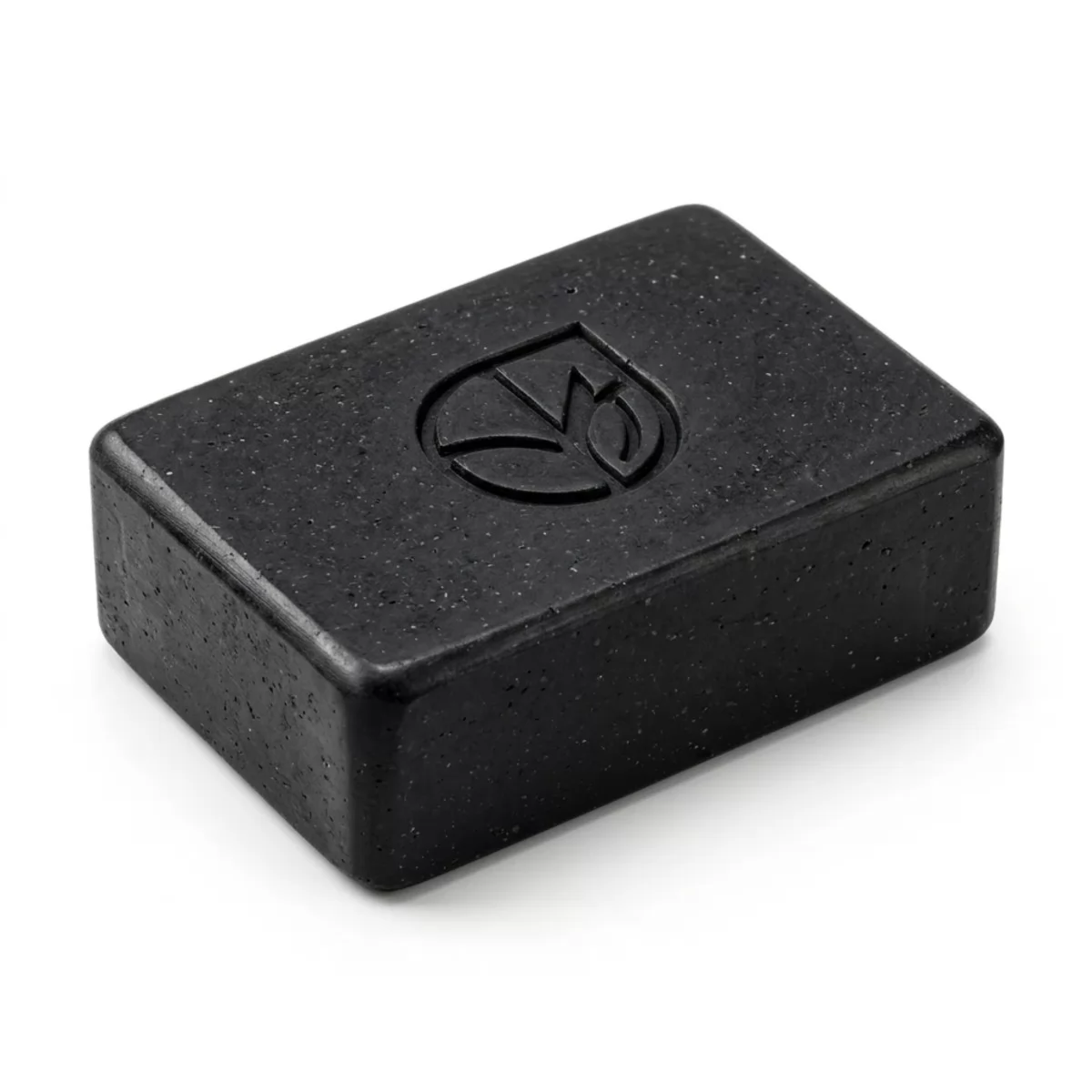
Colour tells you almost nothing. A jet-black soap may hold a small amount of charcoal, and a dark grey mask may hold more. Some black products get their colour from other pigments. What matters is the full formula: the cleansing agents, the fragrance, the exfoliating particles. Charcoal is one line in a longer list.
What Activated Charcoal Is and What It Does for Skin
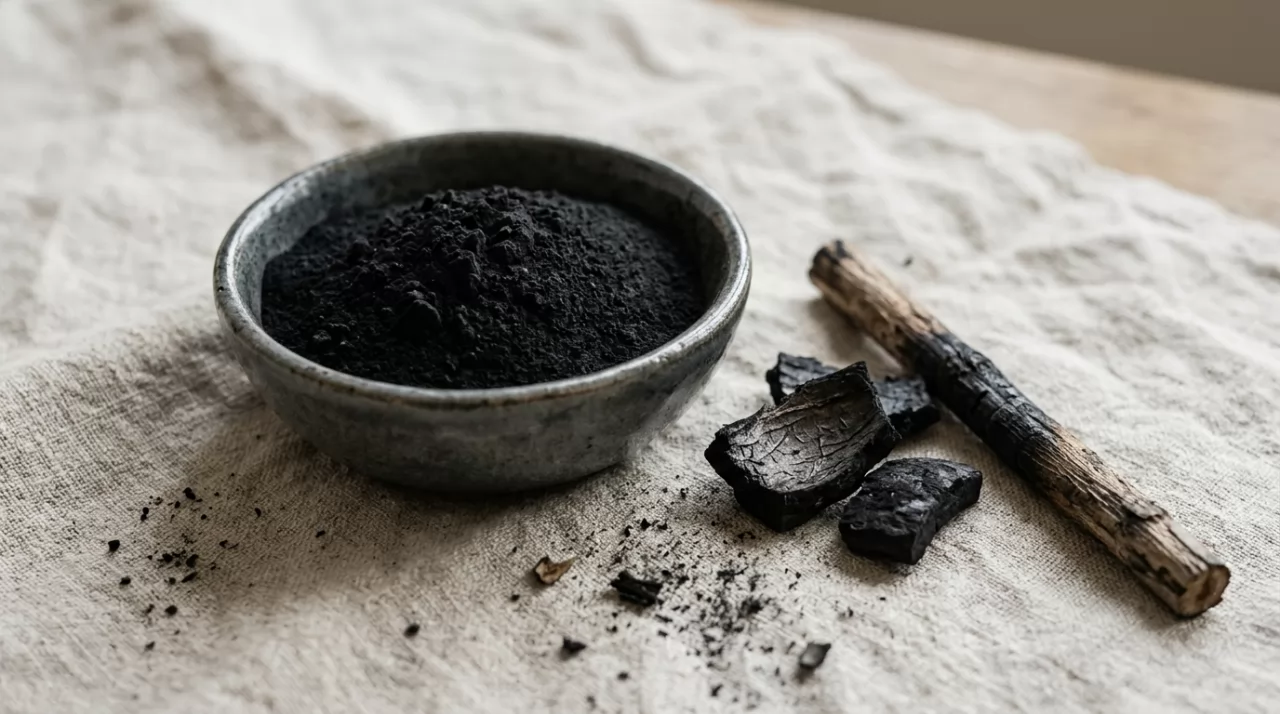
Activated charcoal is a fine black powder made from carbon-rich material such as wood, coconut shell or bamboo, heated and treated so it becomes full of tiny pores. Those pores give it a large surface area, which is why it is good at adhering to oils and some other substances. In cosmetics it usually appears on ingredient lists as "charcoal powder" or similar wording.
How it differs from ordinary charcoal
Ordinary charcoal, the kind used for fuel, is simply burned material. "Activation" is an extra step, typically involving high heat and steam or chemical treatment, that opens up the internal structure. Cosmetic-grade powders are also milled very fine. Don't confuse the two, and never try to make a skincare product from fuel charcoal.
What it does on the surface
Used in a wash or mask and then rinsed off, charcoal can help lift oil and surface dirt, including leftover sunscreen or makeup residue, so skin feels clean. That is the realistic benefit behind most claims about charcoal skin care benefits. It is cleansing, not treatment. Charcoal sits on top of the skin for a short time and then goes down the drain.
Note: A clean feeling is not the same as healthy skin. If your face feels squeaky or tight after washing, the product is probably too harsh for you.
Does Charcoal Cleanse Pores? Separating Fact From Marketing
Charcoal can help clean the surface around pores, but it cannot reach deep inside them or change their size. That gap between "cleans the surface" and "cleans pores" is where most of the marketing lives. Each popular claim is worth testing on its own.
Oil and surface dirt: the believable part
Oil is the clearest case. Charcoal has a known tendency to adhere to oily substances, and when it is combined with a cleansing base and rinsed away, skin can feel less greasy afterwards. That is plausible and matches how the ingredient behaves in other uses. Still, good cleansing bases do the same job without charcoal, so the black powder is a helper, not the engine.
Pore size, blackheads and acne: the limits
Pore size is largely set by genetics, age and sun exposure. Nothing you rinse off will shrink it, though clearing surface oil can make pores look less obvious for a while. Blackheads are oil and dead skin that have oxidised at the pore opening, and a quick mask may loosen a little but rarely clears them. Acne has several causes, including hormones, bacteria and inflammation. If breakouts are persistent, painful or leaving marks, see a doctor or dermatologist rather than stacking more masks.
Charcoal versus other cleansers
Charcoal is one option among several. The table below compares general-purpose types in plain terms, not as a ranking.
| Cleanser type | Typically used for | Tends to suit |
|---|---|---|
| Charcoal wash or mask | Lifting oil and surface dirt | Oily, combination skin |
| Clay mask | Absorbing excess oil | Oily skin, occasional use |
| Gentle foaming cleanser | Daily face washing | Most skin types |
| Salicylic acid cleanser | Clogged pores, blemish-prone areas | Oily, acne-prone skin |
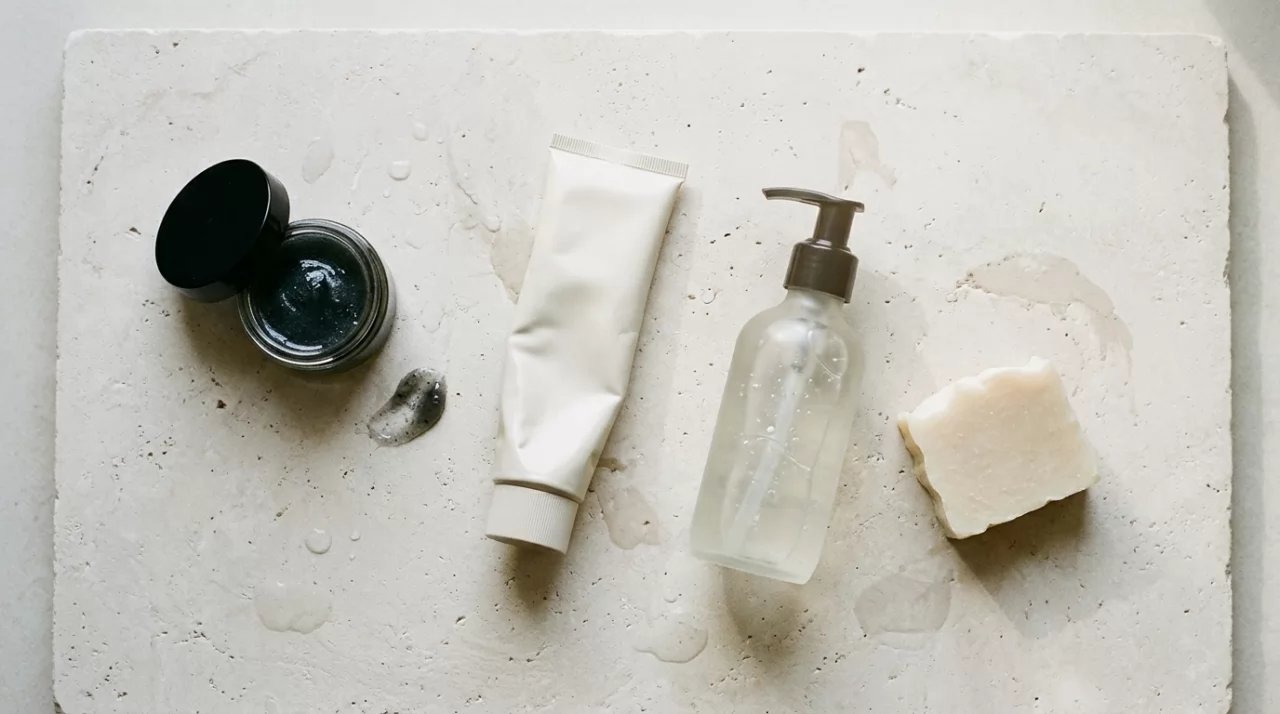
For most people, a gentle daily cleanser does the everyday work, and charcoal is an occasional extra for oily phases.
Who May Like Charcoal, and Who Should Be Careful
Skin type decides more than the ingredient does. The same charcoal mask can feel refreshing on one face and harsh on another.
Oily and combination skin
People with oily skin often like the matte, clean feeling a charcoal wash or mask leaves, especially around the nose and forehead. Combination skin can use it only on the oily zones. A charcoal mask for oily skin once or twice a week is a common pattern, though your own skin is the real guide.
Dry, sensitive or reactive skin
If your skin is dry or easily irritated, be cautious. Often it is not the charcoal that causes trouble but what comes with it: fragrance, essential oils, strong surfactants (the ingredients that make foam), or scrubby particles. Look at the whole list, not just the black part.
Tip: Patch test first. Apply a small amount to the inner forearm or behind the ear, wait 24 hours, and watch for redness, itching or swelling. Stop if any appear.
How to Choose a Charcoal Product
Start with the product type, because it sets how long the charcoal stays on your skin and how often you would use it. Then read the full ingredient list, written in INCI (the standard international naming system for cosmetic ingredients). Ingredients are listed from highest amount to lowest, so see where charcoal sits and what comes before it.
Next, check the cleansing agents. Harsh sulfates or lots of alcohol near the top suggest a stronger product that may be drying. Then look at fragrance and essential oils, which are common triggers for reactive skin; unscented is simpler to tolerate. Last, look at the claims. Words like "detox", "deep purifying" or "removes all impurities" are loose and not a reliable measure. A plain description of what the product does is a better sign.
Rule of thumb: pick the mildest product that does the job, and don't pay extra for the colour.
Face wash, mask, soap or body product
A face wash touches skin for seconds and can be used more often if it is gentle. A mask stays on for about ten minutes, as directed on the pack, so it is for occasional use. Charcoal soap for acne-prone skin is a bit of a gamble because bar soaps can be alkaline and drying on the face. Body products are usually fine for tougher skin on the back and chest, but the same patch test advice applies.
Charcoal in bath and shower products
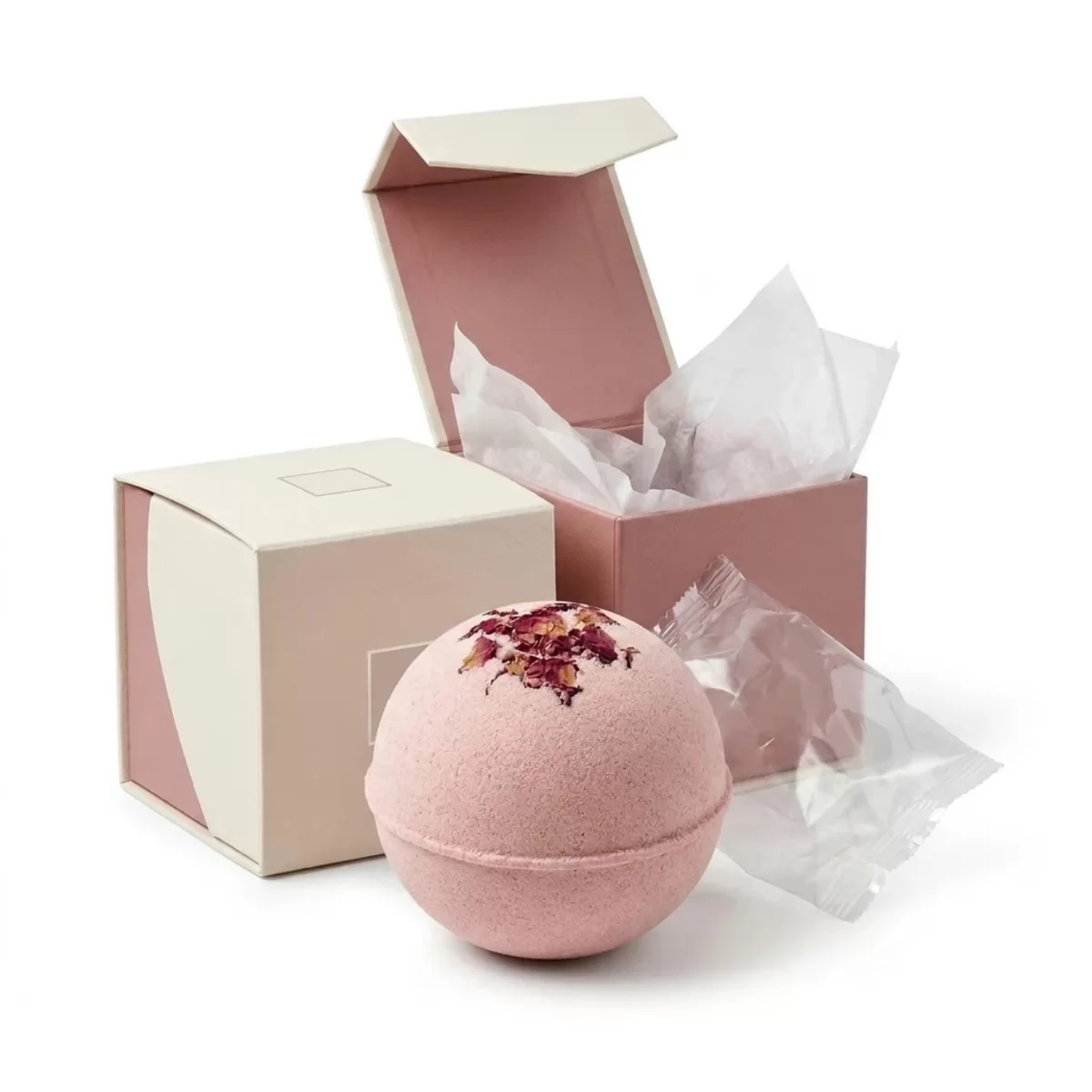
Charcoal also turns up in bath bombs and shower steamers, mostly for the dark colour and a dramatic look in the water. Here the fragrance and the rinse-off step matter more than the charcoal, and dark colour can leave marks on light tubs, so a rinse afterwards helps. Boymay makes bath bombs and shower steamers with custom formulas. Small brands exploring a private label charcoal bath bomb should expect to discuss colour, scent and tub-staining behaviour early on, and to ask for sample testing before committing.
Using Charcoal Without Irritating Your Skin
Keep the routine simple and slow.
- Patch test on a small area and wait a day.
- Start once a week, not daily, and watch how skin responds.
- Rinse thoroughly with lukewarm water, not hot.
- Follow with a moisturiser, even if your skin is oily.
- Use sunscreen in the morning, especially if you also use exfoliating products.
A few beliefs cause most of the trouble, so here they are against the facts.
- Myth: black means stronger. Reality: colour says little about strength or quality.
- Myth: more is better. Reality: extra use mostly means extra dryness.
- Myth: tingling means it works. Reality: tingling can be early irritation, so rinse it off.
Closing Note
Charcoal is a decent cleansing option if you keep your expectations realistic. It will not detox you or shrink your pores, but it can leave oily skin feeling fresh. Read the ingredient list, patch test, and take any skin problem that won't clear to a dermatologist. After that, the next question is probably what to put in the rest of your routine, and a plain cleanser, moisturiser and sunscreen are a good place to start.
Frequently Asked Questions
Q: Can I use a charcoal face wash every day?
A: Sometimes, if it is gentle and your skin is oily. Many people do better a few times a week, so cut back if you feel tightness or flaking.
Q: Is charcoal safe for acne-prone skin?
A: It depends on the whole formula. Charcoal itself is not an acne treatment, and harsh products can make irritation worse, so ask a dermatologist if breakouts persist.
Q: Does a charcoal mask remove blackheads?
A: Not reliably. It may loosen a little surface oil, but blackheads usually need regular, gentle care over time rather than a single mask.
Q: Can charcoal stain towels or tubs?
A: Yes, it can. The fine black powder may leave marks on light fabric and porous surfaces, so rinse well and wipe a tub soon after use.