
يمكن أن يؤدي توريد صابون جوز الهند من الصين إلى خفض تكلفة الوحدة بشكل كبير—ولكن فقط إذا تعاملت مع التحقق من الموردين والامتثال والخدمات اللوجستية على النحو الصحيح. يوضح هذا الدليل الخطوات العملية التي يتبعها المستوردون والعلامات التجارية ذات العلامات الخاصة وتجار التجزئة لتأمين إمدادات موثوقة مع حماية هوامش الربح وتجنب الأخطاء المكلفة.
فهم سوق صابون جوز الهند ولماذا تتصدر الصين الإنتاج
تستحوذ الصين على حصة كبيرة من صادرات منتجات العناية الشخصية عالميًا، ويأتي الصابون المصنوع من جوز الهند في صميم هذا الزخم. وتعود الأسباب إلى عوامل هيكلية وليست عرضية، ومنها عقود من الخبرة التصنيعية المتراكمة، والتجمعات الكثيفة للموردين، والتوازن بين العمالة والأتمتة الذي لا يمكن إلا لعدد قليل من المناطق محاكاته.
بالنسبة للمشترين في أمريكا الشمالية وأوروبا والشرق الأوسط، تنحصر المعادلة عادةً في التكلفة الواصلة مقابل مراقبة الجودة. وعند إدارة كليهما بكفاءة، يتفوق التوريد من الصين على معظم البدائل.
اتجاهات الطلب العالمية على الصابون الطبيعي والمصنوع من جوز الهند
تنتج مشتقات زيت جوز الهند—ومن بينها كوكوات الصوديوم وكوكاميدوبروبيل بيتايين—رغوة كثيفة وكريمية يربطها المستهلكون بالتنظيف الفاخر. وقد تحول الطلب بشكل ملحوظ نحو المنتجات النباتية والخالية من التجارب على الحيوانات، لا سيما بين المشترين الأصغر سناً في قطاع التجزئة.
يطالب تجار التجزئة في الاتحاد الأوروبي وأمريكا الشمالية بشكل متزايد بالشفافية بشأن المكونات على الملصق نفسه. وفي منطقة الخليج، تستحوذ التركيبات المتوافقة مع معايير الحلال والغنية بالغليسرين على مساحة متزايدة على الرفوف. وينبغي أن تشكل هذه التفضيلات الإقليمية موجز تركيبتك منذ اليوم الأول.

المزايا التنافسية للصين في تصنيع الصابون
تدفع ثلاثة عوامل ميزة التكلفة. أولاً، يؤدي القرب من معالجي المواد الخام إلى تقصير المهل الزمنية لقواعد التصبن والمواد الخافضة للتوتر السطحي. ثانياً، تقلل خطوط التصبن والختم الآلية من تكلفة العمالة لكل وحدة. ثالثاً، تعني قدرات التغليف المتكاملة أن مصنعاً واحداً يمكنه تولي التركيب والتشكيل والتعبئة في علب جاهزة للبيع بالتجزئة تحت سقف واحد.
هذا التكامل الرأسي هو ما يميز ميزة التكلفة الحقيقية عن الوفر الوهمي، حيث يؤدي الاستعانة بمصادر خارجية مجزأة إلى تآكل المدخرات.
أنواع صابون جوز الهند التي يمكنك استيرادها
لا يقتصر مزيج منتجاتك على القوالب التقليدية. وتشمل الصيغ الشائعة صابون المعالجة على البارد والصابون المصبوب، والمنظفات السائلة بجوز الهند، والقوالب المقشرة الممزوجة بدقيق الشوفان أو تفل القهوة، وحزم المنتجات المتعددة SKU.
يُعد تجميع صابون جوز الهند مع المنتجات المكملة—مثل جل الاستحمام أو إسفنجات الحمام—وسيلة مثبتة لزيادة متوسط قيمة الطلب في قطاع التجزئة. ويمكن للمصنعين ذوي التغطية الواسعة للفئات توفير هذه الحزم من عملية إنتاج واحدة.
العثور على مصنّعي صابون جوز الهند الموثوقين في الصين
يتمثل أكبر خطر منفرد في التوريد في الخلط بين شركة تجارية ومصنع. يضيف الوسطاء هامشاً ربحياً ويضعفون مسؤولية ضمان الجودة، لذا تتمثل مهمتك الأولى في التمييز بين المنتجين الحقيقيين والبائعين المعاد بيعهم.
أين تحصل على المنتجات: منصات B2B والمعارض التجارية والتواصل المباشر
تظل Alibaba وGlobal Sources قناتي الاكتشاف الافتراضيتين، ولكن تعامل مع القوائم على أنها جهات محتملة للتواصل وليست حقائق موثقة. يتيح لك Canton Fair (Guangzhou) فحص العينات شخصيًا وتقييم الخبرة التقنية لدى المورد من خلال الحوار.
غالبًا ما يؤدي التواصل المباشر مع الشركات المصنعة الراسخة لصابون جوز الهند في الصين—عبر الموقع الإلكتروني الخاص بالمصنع أو من خلال إحالة—إلى الحصول على أسعار أفضل، لأنك تتجاوز طبقة عمولة المنصة.
كيفية التمييز بين المصانع والشركات التجارية
اطرح أسئلة محددة قابلة للتحقق: كم عدد خطوط الإنتاج التي تشغلونها؟ ما طاقتكم الشهرية بالوحدات؟ هل يمكنكم مشاركة رخصة نشاطكم التجاري وعنوان المصنع لإجراء تدقيق عبر الفيديو؟
تجيب الشركة المصنعة الحقيقية بالأرقام وتعرض جولة مباشرة عبر الفيديو في أرضية المصنع. وتشكل الإجابات المبهمة، أو التردد في عرض مناطق الإنتاج، أو عدم القدرة على تسمية معداتها الخاصة، مؤشرات تحذيرية.
تقييم مصداقية الشركة المصنعة وسجلها
تكتسب الاستمرارية أهمية كبيرة. فالمورد الذي يعمل منذ منتصف 1990s يكون قد اجتاز تحولات تنظيمية ودورات عملات متعددة، مما يشير إلى مرونة تشغيلية. اطلب سجلات التصدير إلى منطقتك المحددة، وحيثما أمكن، اطلب مراجع من عملاء في أسواق مماثلة.
تحقق من الشهادات التي تدعيها الشركة بمقارنتها بقواعد بيانات الجهات المصدرة، بدلًا من قبول ملف PDF كما هو.
التحقق من الشهادات ومعايير الامتثال
تُعد حالات عدم الامتثال أسرع وسيلة لاحتجاز شحنة في الميناء. إن إعداد قائمة التحقق من الشهادات قبل الطلب—وليس بعده—يوفر أسابيع من إجراءات المعالجة.
الشهادات الأساسية: GMP وISO وFDA وSMETA
تؤكد GMP (ممارسات التصنيع الجيد) تطبيق ضوابط النظافة في الإنتاج. وتشير شهادة ISO—وعادةً ISO 9001 أو ISO 22716 لمستحضرات التجميل—إلى وجود نظام موثق لإدارة الجودة. ويُعد تسجيل FDA ذا صلة بالسوق الأمريكية، في حين تتحقق عمليات تدقيق SMETA من ممارسات العمل الأخلاقية والبيئية، وهي ممارسات يشترطها العديد من تجار التجزئة الأوروبيين الآن تعاقديًا.
ويُظهر المورد الحاصل على الشهادات الأربع جميعها نهجًا للامتثال مُعدًا للتصدير، وليس للبيع المحلي فحسب.
لوائح استيراد صابون جوز الهند حسب المنطقة
في أمريكا الشمالية، قد يخضع الصابون المُسوَّق بادعاءات للعناية بالبشرة لإشراف FDA على مستحضرات التجميل، لذا فإن الامتثال لمتطلبات المكونات ووضع الملصقات أمر غير قابل للتفاوض. وفي الاتحاد الأوروبي، ستحتاج إلى تسجيل CPNP والامتثال الكامل للائحة (EC) 1223\/2009، بما في ذلك تقرير سلامة مستحضرات التجميل وتعيين شخص مسؤول.
تتطلب أسواق الشرق الأوسط عمومًا مطابقة SASO\/GSO، مع تطبيق المملكة العربية السعودية لتسجيل SABER. وتختلف لوائح استيراد صابون جوز الهند بدرجة كافية بين هذه المناطق الثلاث بحيث ينبغي تأكيد المتطلبات لكل وجهة قبل الالتزام بتركيبة معينة.
شفافية المكونات وادعاءات نباتي/خالٍ من القسوة على الحيوانات
تحمل ادعاءات كون المنتج نباتيًا وخاليًا من القسوة على الحيوانات وزنًا قانونيًا في العديد من الأسواق، لذا ينبغي دعمها بالوثائق. اطلب قائمة مكونات INCI، وشهادة تؤكد عدم استخدام مدخلات مشتقة من الحيوانات، وإقرارًا بعدم إجراء اختبارات على الحيوانات.
يمكن للمصانع الموثوقة التي تُصنّع تركيبات نباتية توفير هذه المستندات دون تردد—فإذا ماطلت، فاعتبر ذلك علامة تحذيرية.
خيارات التخصيص للعلامة الخاصة وOEM\/ODM
يتيح التخصيص للمستوردين بناء قيمة قوية للعلامة التجارية بدلًا من التنافس على السعر فقط.
OEM لصابون جوز الهند بالعلامة الخاصة: بناء علامتك التجارية
يتيح لك OEM لصابون جوز الهند بالعلامة الخاصة تحديد التركيبة والعطر واللون وشكل القالب والتغليف، بينما ينفذ المصنع المواصفات الواردة في طلبك. ويناسب هذا المسار العلامات التجارية التي تعرف بالفعل مظهرها المستهدف وترغب في طرح منتج جاهز للبيع بالتجزئة تحت علامتها الخاصة.
القوالب المخصصة—الشعارات البارزة أو أشكال ألواح الصابون المميزة—هي وسيلة مباشرة للتميّز على رف مزدحم.
ODM مقابل OEM: اختيار النموذج المناسب
بموجب نموذج OEM، تقدم المواصفات ويتولى المصنع تصنيع المنتج. أما بموجب نموذج ODM، فتعتمد تركيبة موجودة لدى المصنع أو تكيّفها، مما يقلل مدة التطوير وتكلفة القوالب.
غالبًا ما يبدأ الداخلون الجدد إلى السوق بنموذج ODM لاختبار السوق بسرعة، ثم ينتقلون إلى OEM كامل بمجرد أن يبرر الطلب الاستثمار في تركيبة مخصصة.
الجداول الزمنية للتخصيص وتطوير العينات
تستغرق العينات المخصصة عادةً 7–14 يومًا، بحسب تعقيد التركيبة، وتوفير العطر، والمظهر، والتغليف. ويكون تغيير اللون والعطر البسيط أقرب إلى الحد الأقصر من المدة؛ بينما تدفع التركيبة الجديدة مع التغليف المخصص المدة نحو أسبوعين.
احرص دائمًا على اعتماد "العينة الذهبية" الفعلية قبل الإنتاج الضخم—فهي تصبح مرجع الجودة الخاص بك.
فهم MOQ والتسعير وهياكل التكلفة
يمنع إعداد نموذج واضح للتكاليف المفاجآت غير السارة بعد استلام الفاتورة الأولى.
مورّدو صابون جوز الهند بنظام MOQ: ما المتوقع
يحدد العديد من مورّدي صابون جوز الهند بنظام MOQ حدًا أدنى يبلغ نحو 1,000 وحدة لكل SKU، رغم أن ذلك يختلف باختلاف مستوى التخصيص. ويُعد الحد الأدنى المنخفض للطلب، الذي يبدأ من 1,000 قطعة، مفيدًا للعلامات التجارية التي تختبر خطوطًا جديدة أو تدير تدفقها النقدي، لأنه يحد من التعرض لمخاطر المخزون.
تتيح الكميات الأكبر تسعيرًا أفضل للوحدة، لذا ينبغي الموازنة بين مرونة طلبات الاختبار واقتصاديات التوسع على المدى الطويل.
الجملة للصابون المصنوع من جوز الهند بكميات كبيرة في الصين: عوامل التسعير
يعتمد تسعير الجملة للصابون المصنوع من جوز الهند بكميات كبيرة في الصين على عدة عوامل، منها تكاليف الزيوت الأساسية والمواد الخافضة للتوتر السطحي، ودرجة العطر، والملونات، والقوالب المخصصة، وتعقيد التغليف. وتُطبَّق خصومات الكميات عند ارتفاع كميات الطلب إلى عشرات الآلاف.
اطلب تفصيلاً شفافاً للتكاليف حتى تتمكن من تحديد المتغيرات التي تستحق التفاوض وتلك الثابتة.
التكاليف الخفية التي ينبغي وضع ميزانية لها
بالإضافة إلى سعر الوحدة، ضع ميزانية لتكاليف القوالب أو أدوات التصنيع لمرة واحدة، ورسوم إعداد العينات، واختبارات الامتثال التي تجريها جهات خارجية. وقد تكون هناك حاجة إلى اختبارات الثبات وفعالية المواد الحافظة لبعض الأسواق، مما قد يزيد التكلفة والمدة الزمنية.
إن احتساب هذه التكاليف مسبقاً يمنحك رقماً واقعياً للتكلفة النهائية عند الوصول، بدلاً من رقم متفائل.
إدارة الإنتاج ومراقبة الجودة والمهل الزمنية
بمجرد تقديم طلبك، تضمن المتابعة المنضبطة ثبات الجودة وتسليم المنتجات في الموعد المحدد.
المهل الزمنية القياسية للإنتاج
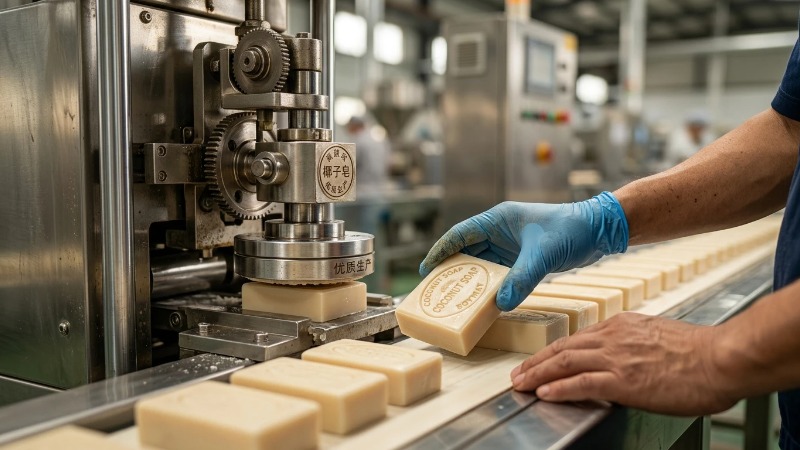
تستغرق عمليات الإنتاج بالجملة عادةً 25–30 يوماً بعد اعتماد العينة ودفع العربون. وقد تؤدي مواسم الذروة، أو التغليف المعقد، أو نقص المواد الخام إلى تمديد هذه المدة، لذا احرص على إضافة وقت احتياطي إلى الجدول الزمني لإطلاق منتجاتك للبيع بالتجزئة.
أفضل ممارسات فحص الجودة
رتّب لإجراء فحص قبل الشحن—سواء بواسطة موظفيك أو وكالة خارجية مثل شركة فحص معتمدة. وتحقق من وزن القطعة، ودقة الأبعاد، واتساق العطر، وسلامة التغليف، ووضع بطاقات تعريف الكراتين، وذلك بالرجوع إلى ورقة المواصفات الخاصة بك.
تضيف اختبارات الدفعات لقياس درجة الحموضة والسلامة الميكروبية طبقة إضافية من الضمان للأسواق الخاضعة للتنظيم.
التواصل الواضح بشأن المواصفات
تؤدي الغموض إلى النزاعات. قدّم ورقة مواصفات مفصلة تغطي تفاوت الوزن، ومرجع اللون (Pantone حيثما كان ذلك مناسبًا)، وتركيز العطر، وأبعاد العبوة، وموضع الباركود.
إن وجود عينة مرجعية معتمدة على مكتبك وفي أرضية المصنع يزيل معظم الحجج من نوع "هذا ليس ما اتفقنا عليه'".
الشحن والخدمات اللوجستية والتخليص الجمركي
يشكل الشحن والجمارك المجال الذي يخسر فيه المستوردون قليلو الخبرة هامش الربح. ويمكن للإلمام بالقليل من المصطلحات أن يحقق فوائد كبيرة.
مصطلحات Incoterms التي ينبغي لكل مستورد معرفتها
يضع EXW مسؤولية جميع العمليات اللوجستية عليك بدءًا من باب المصنع. ويعني FOB أن المورد يتحمل التكاليف حتى ميناء المنشأ. ويضيف CIF تكاليف الشحن البحري والتأمين إلى ميناء الوجهة، بينما يوصّل DDP الشحنة إلى بابك مع دفع الرسوم الجمركية.
يُعد FOB الحل الوسط الأكثر شيوعًا لشحنات مستحضرات التجميل، إذ يمنحك التحكم في تكاليف الشحن مع إبقاء عمليات المناولة في بلد المنشأ على عاتق المورد.
خيارات الشحن والمستندات
يُعد الشحن البحري اقتصاديًا لطلبات الصابون بالجملة؛ بينما يناسب الشحن الجوي عمليات الإطلاق العاجلة أو منخفضة الحجم بتكلفة إضافية. تأكد من أن مجموعة مستنداتك تشمل الفاتورة التجارية، وقائمة التعبئة، وبوليصة الشحن، ونشرات بيانات السلامة لأي تركيبات سائلة.
تُعد المستندات غير المكتملة سببًا رئيسيًا لتأخيرات التخليص الجمركي.
التخليص الجمركي ورسوم الاستيراد
يُصنَّف الصابون عمومًا ضمن البند 3401 من النظام المنسق HS. أكِّد الرمز الفرعي الدقيق مع وسيطك الجمركي، إذ تختلف معدلات الرسوم والمتطلبات التنظيمية حسب البلد والتركيبة.
سيسرّع وسيطٌ متمرس ومطلع على واردات مستحضرات التجميل عملية التخليص، كما سيكشف عن ثغرات الامتثال قبل وصول البضائع.
الشراكة مع المُصنّع المناسب لتحقيق النجاح طويل الأمد
تُعد المعاملة لمرة واحدة أمرًا سهلًا؛ أما علاقة التوريد الموثوقة الممتدة لسنوات متعددة فهي التي تتراكم فيها القيمة الحقيقية.
ما الذي يميز شريك التصنيع القوي؟
ابحث عن قدرة إنتاجية حقيقية لدى المصنع، وعمق في الشهادات، واستعداد للتخصيص، وسجل حافل بالتسليم في الموعد المحدد. وغالبًا ما تنبئ سرعة الاستجابة خلال مرحلة عرض الأسعار بجودة التواصل بمجرد بدء الإنتاج لديك'.
لماذا تختار Boymay لتوريد صابون جوز الهند؟
تركز Boymay على تصنيع OEM/ODM لإسفنجات الاستحمام وجل الاستحمام ومنتجات العناية الشخصية منذ 1995، وتدير منشأة تبلغ مساحتها 40,000 m² تضم 16 خط إنتاج آليًا وأكثر من 200 موظف. وتحمل الشركة شهادات GMP وISO وFDA وSMETA، وتوفر تركيبات مناسبة للنباتيين وخالية من اختبار الحيوانات، كما تدعم مستويات عالية من التخصيص، بما في ذلك القوالب المخصصة.
بفضل حد أدنى منخفض للطلب يبدأ من 1,000 وحدة، وتطوير العينات خلال 7–14 يومًا، وفترات توريد مستقرة للطلبات الكبيرة مدتها 25–30 يومًا، تتمتع Boymay بمكانة تؤهلها لدعم العلامات التجارية أثناء توسعها من أول طلب تجريبي إلى برنامج بيع بالتجزئة راسخ.
الأسئلة الشائعة (FAQ)
س: ما الحد الأدنى لكمية طلب صابون جوز الهند من الصين؟
ج: تبدأ كميات الطلب الدنيا عادةً من حوالي 1,000 وحدة لكل SKU. يتيح هذا الحد المنخفض للعلامات التجارية الجديدة اختبار مجموعة منتجات دون الالتزام بمخزون كبير، بينما تتيح الكميات الأكبر الحصول على أسعار أفضل لكل وحدة.
س: كم من الوقت يستغرق استلام العينات المخصصة؟
ج: تُجهّز العينات المخصصة عادةً خلال 7–14 يومًا. وتعتمد المدة الدقيقة على مدى تعقيد التركيبة، وتوفير العطور، ومتطلبات المظهر، وتصميم العبوة.
س: هل يمكن تركيب صابون جوز الهند ليكون نباتيًا وخاليًا من القسوة على الحيوانات؟
ج: نعم. يمكن للمصنّعين ذوي الكفاءة تركيب صابون جوز الهند بصيغة نباتية باستخدام مكونات غير مشتقة من الحيوانات ومن دون إجراء اختبارات على الحيوانات، مع توفير الوثائق التي يمكنك تقديمها إلى تجار التجزئة والجهات التنظيمية.
س: ما الشهادات التي ينبغي أن يحملها المصنّع الموثوق؟
ج: أعطِ الأولوية لشهادة GMP الخاصة بالإنتاج الصحي، وISO لإدارة الجودة، وتسجيل FDA للسوق الأمريكية، وSMETA لممارسات العمل الأخلاقية والبيئية. تحقّق من كل شهادة لدى الجهة المُصدرة بدلًا من الاكتفاء بالثقة في ملف PDF.
س: ما المهلة الزمنية المعتادة للإنتاج للطلبات بالجملة؟
ج: يستغرق الإنتاج بالجملة عادةً 25–30 يومًا بعد اعتماد العينة ودفع العربون. وقد تؤدي مواسم الذروة أو العبوات المعقدة إلى تمديد هذه المدة، لذا خطّط للجداول الزمنية للإطلاق مع هامش احتياطي.
س: كيف أضمن امتثال الصابون المستورد للوائح بلدي؟
ج: اطلب وثائق امتثال كاملة—بما في ذلك قوائم المكونات وتقارير السلامة والشهادات ذات الصلة—وتأكّد من متطلبات سوق الوجهة، مثل متطلبات وضع ملصقات FDA (US)، أو تسجيل CPNP بموجب EC 1223/2009 (EU)، أو مطابقة SASO/GSO (Middle East)، قبل تقديم طلبك.