
ادخل إلى أي ممر لمنتجات العناية بالجمال هذه الأيام وستلاحظ شيئًا: تلك الزجاجات البلاستيكية المألوفة بدأت تُزاحمها ألواح صغيرة ملوّنة تبدو أقرب إلى صابون فاخر منها إلى الشامبو. الناس فضوليون. وهناك سؤال يتكرر باستمرار على كراسي الصالونات وفي المنتديات الإلكترونية على حد سواء — هل يمكن للوح بسيط من الشامبو الصلب أن يساعد فعلًا في جعل شعرك أكثر كثافة وصحة؟
إنه سؤال وجيه، والإجابة الصادقة أكثر دقة مما يوحي به الترويج أو المشككون. لنلقِ نظرة على ما يقوله العلم فعليًا، ونفصل بعض الخرافات عن الحقائق، ونحدد ما الذي يمكن للوح الشامبو أن يفعله لشعرك وما لا يمكنه فعله.
ما هو لوح الشامبو بالضبط؟
لوح الشامبو هو ببساطة شامبو في صورة صلبة. وبدلًا من سكب سائل من زجاجة، تقوم بفرك لوح مبلل بين يديك أو مباشرة على فروة رأسك لتكوين الرغوة. نفس الوظيفة، لكن بشكل مختلف.
يكمن الفرق الحقيقي فيما تمت إزالته: الماء. فالزجاجة التقليدية من الشامبو السائل تتكون في معظمها من الماء — وأحيانًا تصل نسبته إلى 80%. أما اللوح فيزيل هذا الحشو، ليترك قرصًا مركزًا من المكونات التي تؤدي العمل فعليًا.
كيف تُصنع ألواح الشامبو
تُصنع معظم ألواح الشامبو عالية الجودة إما بطريقة التصبن على البارد أو بتركيبة "syndet" (منظف صناعي) باستخدام مواد خافضة للتوتر السطحي لطيفة. يتم مزج عوامل التنظيف والزيوت والزبدات والمستخلصات النباتية، ثم ضغطها ومعالجتها لتأخذ شكلها النهائي.
نظرًا لوجود كمية قليلة جدًا من الماء أو عدم وجوده لتخفيف الخليط، فإن تركيز المكونات الفعالة لكل غرام يكون أعلى بطبيعته. ولهذا يمكن للوح صغير أن يدوم أطول من زجاجة كبيرة — فأنت تحصل على المكونات الجيدة من دون دفع تكلفة شحن الماء حول العالم.
ألواح الشامبو مقابل الشامبو السائل التقليدي
إليك مقارنة جنبًا إلى جنب توضح كيف يختلف الاثنان في الجوانب التي يهتم بها الناس فعلًا.
| الميزة | لوح الشامبو | شامبو سائل |
|---|---|---|
| محتوى الماء | منخفض (مركّز) | مرتفع (حتى 80%) |
| كثافة المكوّنات الفعّالة | أعلى | أقل |
| مخلّفات التغليف | ضئيلة | زجاجة بلاستيكية |
| مدة الاستخدام لكل وحدة | ~50–80 غسلة | ~30 غسلة |
| مناسب للسفر | نعم | مقيّد (حدود السوائل) |
هل تساعد ألواح الشامبو على نمو الشعر؟ ماذا يقول العلم
لنضع التوقعات بوضوح منذ البداية. لوح الشامبو ليس دواءً، ولن يدفع شعرًا جديدًا للخروج من البصيلات الخاملة كما قد يفعل علاج سريري مثل minoxidil. أي شخص يعد بذلك يبالغ في التسويق.
ما يمكن أن يفعله لوح شامبو مُصاغ جيدًا هو تهيئة الظروف التي ينمو فيها شعرك بكامل إمكاناته الطبيعية — فروة رأس نظيفة ومتوازنة مع خصلات قوية لا تتكسر قبل أن تتاح لها فرصة الإطالة. وهذا الفرق أهم مما يدركه معظم الناس.
العلاقة بين فروة الرأس ونمو الشعر
فكّر في فروة رأسك كتربة، وشعرك كنباتات تنمو منها. التربة الصحية تُنبت نباتات صحية. أما البشرة المسدودة أو الملتهبة أو المفتقرة إلى الزيوت فتنتج شعرًا أضعف.
تمر كل بصيلة بمراحل النمو (anagen)، والانتقال (catagen)، والراحة (telogen). يمكن للتهيج المزمن والتراكمات أن يدفعا البصيلات إلى الخروج من مرحلة النمو مبكرًا، لذا فإن الحفاظ على فروة رأس هادئة ونظيفة يُعد أساسًا حقيقيًا.
هل تعزز ألواح الشامبو صحة فروة الرأس؟
يساعد لوح الشامبو الجيد بثلاث طرق عملية. أولًا، يزيل الزهم الزائد والجلد الميت وبقايا المنتجات التي قد تخنق البصيلات.
ثانيًا، يهم مستوى pH. يكون الشعر وفروة الرأس في أفضل حالاتهما عند درجة حموضة حمضية قليلًا تبلغ نحو 4.5–5.5، وتُضبط ألواح الشامبو المصممة بعناية من حيث pH لاحترام هذا النطاق بدلًا من الإخلال بتوازن فروة الرأس.
ثالثًا، يعني التنظيف الأكثر لطفًا تهيجًا أقل. لذلك عندما يسأل الناس عمّا إذا كانت ألواح الشامبو تعزز صحة فروة الرأس، فالإجابة هي نعم — بشرط أن تكون التركيبة مصممة بالشكل الصحيح، لا مجرد مصبوبة في قالب ومُسمّاة طبيعية.
ألواح الشامبو لتساقط الشعر وخفة الشعر
إليك الرأي الصريح: لن يعالج لوح الشامبو تساقط الشعر الوراثي أو الهرموني. لكن كثيرًا مما يبدو وكأنه "تساقط" هو في الحقيقة تكسر — إذ ينكسر الشعر في منتصف الشعرة بسبب منظفات قاسية، أو التعامل الخشن، أو طبقة خارجية جافة وهشة.
من خلال التنظيف بلطف والحفاظ على ترطيب الخصلات، تقلل ألواح الشامبو عالية الجودة للشعر الخفيف من هذا التكسر، بحيث يبقى المزيد من شعرك الحالي في مكانه ويبدو أكثر كثافة. وهذا تحسن حقيقي وقابل للملاحظة، حتى وإن لم يكن حلًا سحريًا.
مكونات طبيعية أساسية تدعم نمو الشعر
قائمة المكونات هي ما يثبت قيمة لوح الشامبو. إليك المكونات البارزة التي تستحق معرفتها.
زيوت وزبدات مغذية
زيت الأرغان غني بفيتامين E والأحماض الدهنية التي تنعم الطبقة الخارجية للشعر وتزيد من مرونته. وزيت جوز الهند من الزيوت القليلة التي ثبت أنها تخترق ساق الشعرة وتقلل فقدان البروتين أثناء الغسل.
تحبس زبدة الشيا الرطوبة وتسيطر على الهيشان، بينما يقوم زيت الخروع — وهو مفضل شعبي منذ زمن طويل — بتغليف فروة الرأس والمساعدة في الحد من التكسر الذي يجعل الشعر يبدو خفيفًا.
نباتات منشطة لفروة الرأس
حظي إكليل الجبل باهتمام علمي حقيقي: فقد وجدت دراسة عام 2015 أن زيت إكليل الجبل أدى أداءً مماثلًا لـ 2% minoxidil للشعر المصاب بالصلع الوراثي على مدى ستة أشهر. ويمنح النعناع الفلفلي إحساسًا بالوخز يعزز الدورة الدموية، ويدعم البيوتين بنية الكيراتين في الشعر، كما دُرس الكافيين لدوره في إطالة مرحلة النمو في مزارع البصيلات.
| المكوّن | الفائدة الأساسية | الأفضل لـ |
|---|---|---|
| مستخلص إكليل الجبل | يحفّز البصيلات ويحسّن الدورة الدموية | الشعر الخفيف |
| البيوتين | يقوّي بنية الشعر | الخصلات الهشة والضعيفة |
| زيت الخروع | يغذّي فروة الرأس ويقلّل التكسّر | الشعر بطيء النمو |
| زيت النعناع | يعزز تدفق الدم إلى فروة الرأس | نمو بطيء |
| زبدة الشيا | ترطيب عميق، وإغلاق طبقة الكيوتيكل | شعر جاف ومتضرر |
ميزة الخلو من الكبريتات
سترى عبارة "خالي من الكبريتات" منتشرة على الكثير من ألواح الشامبو، وليس ذلك مجرد كلام تسويقي. فالمادة الخافضة للتوتر السطحي المستخدمة في اللوح تؤثر فعلاً في كيفية استجابة فروة رأسك بمرور الوقت.
لماذا يمكن أن تضر الكبريتات بصحة الشعر
الكبريتات مثل SLS عوامل رغوة قوية — ممتازة في إزالة الدهون، لكنها غالباً ما تكون قاسية أكثر من اللازم. فقد تجرّد فروة الرأس من الزهم الواقي لها، مما يترك البشرة جافة ومشدودة وأحياناً متقشرة.
بالنسبة للأشخاص الذين يعانون بالفعل من فروة رأس حساسة أو شعر ضعيف، يمكن أن يؤدي هذا التنظيف المفرط إلى دورة مزعجة من الجفاف والتهيج، مما يقوّض البيئة نفسها التي يحتاجها الشعر لينمو ويزدهر.
كيف يحمي التنظيف اللطيف دورة النمو
تنظّف المواد الخافضة للتوتر السطحي الأكثر لطفًا بفعالية من دون الإضرار بحاجز الرطوبة في فروة الرأس. وتظهر فوائد قالب الشامبو الخالي من الكبريتات في تقليل الهيشان، وانخفاض تقصّف الأطراف، وتهدئة فروة الرأس — وكل ذلك يعني فقدان عدد أقل من الخصلات بسبب التكسر وبيئة أكثر استقرارًا للبصيلات.
كيفية اختيار أفضل قالب شامبو للشعر الخفيف
ليست كل القوالب متساوية. فقليل من قراءة الملصق يحقق فائدة كبيرة.
المكونات التي ينبغي البحث عنها
أعطِ الأولوية لمكونات قوالب الشامبو الطبيعية لنمو الشعر مثل إكليل الجبل، والبيوتين، وزيت الخروع، والبانثينول، والزبدات المغذية. وتشير المواد الخافضة للتوتر السطحي اللطيفة مثل sodium cocoyl isethionate إلى تركيبة مناسبة لفروة الرأس.
المكونات التي ينبغي تجنبها
ابتعد عن الكبريتات القاسية (SLS/SLES)، والكحولات المجففة المذكورة في أعلى قائمة المكونات، والأصباغ الصناعية، والحشوات الاصطناعية الثقيلة التي لا تقدم أي فائدة لشعرك.
ما يمكن توقعه: جدول زمني واقعي
ينمو الشعر بنحو نصف بوصة شهريًا، لذا فإن الصبر ضروري. يلاحظ معظم الأشخاص انخفاضًا في التكسر وهدوءًا أكبر في فروة الرأس خلال 2–4 أسابيع، مع تحسن ملحوظ في الكثافة واللمعان خلال 8–12 أسبوعًا من الاستخدام المنتظم.
كيفية استخدام قالب الشامبو بشكل صحيح للحصول على أفضل النتائج
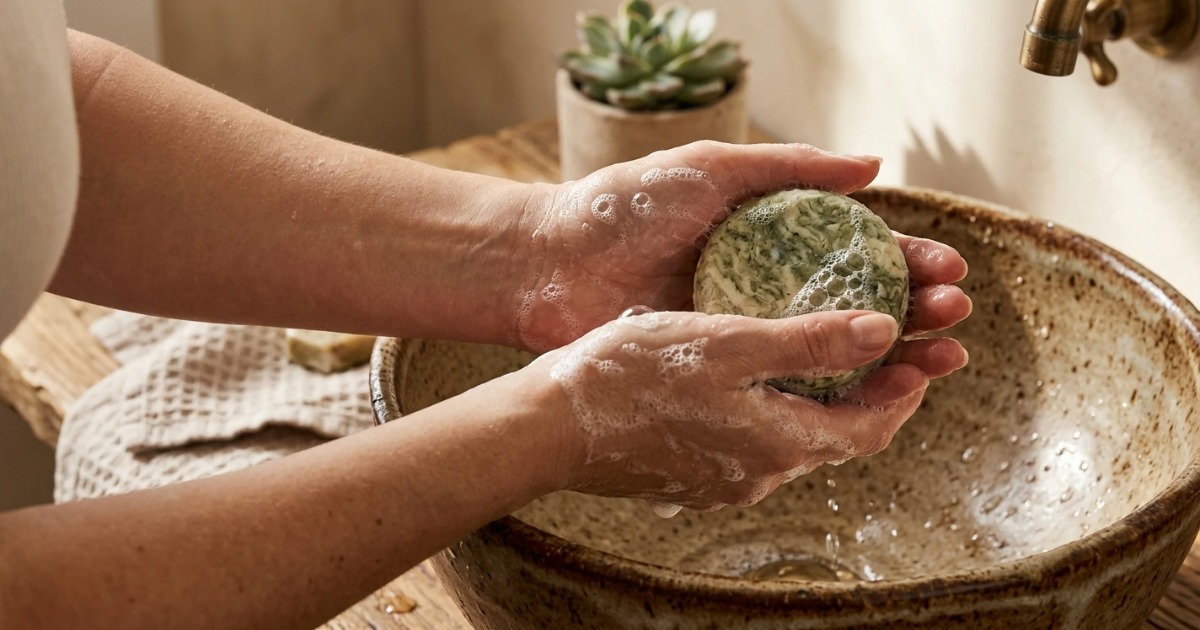
يلوم كثير من المبتدئين قالب الشامبو، بينما يكون السبب الحقيقي هو طريقة الاستخدام. بلّل شعرك جيدًا، وافرك القالب مباشرة على فروة رأسك أو كوّن رغوة بين يديك، ثم دلّك بأطراف أصابعك. اشطف حتى يصبح الماء صافيًا — فهذه هي الخطوة التي يتوقف عندها كثيرون مبكرًا.
فترة الانتقال
إذا كنت تنتقل من الشامبوهات السائلة الغنية بالسيليكون، فقد يبدو شعرك شمعيًا أو ثقيلًا لمدة أسبوع أو أسبوعين. هذا يعني أن البقايا بدأت تزول وأن فروة رأسك تعيد ضبط إنتاج الزيوت لديها — وليس أن لوح الشامبو غير فعّال. واصل استخدامه.
نصائح احترافية لشطف أنظف
يمكن أن يحقق شطف الشعر بخل التفاح من حين لآخر (ملعقة كبيرة في كوب من الماء) نتائج رائعة. فالحموضة الخفيفة تذيب التراكمات المتبقية، وتُسطّح الطبقة الخارجية للشعرة لمنحها لمعانًا، وتعيد ضبط درجة حموضة فروة الرأس. احفظ لوح الشامبو في مكان يسمح له بالجفاف بين الاستخدامات ليبقى صالحًا لفترة أطول.
اختيار مُصنّع موثوق أمر مهم
إليك أمرًا لا تكشفه قائمة المكونات وحدها: مدى جودة تصنيع لوح الشامبو فعليًا. فقد يحتوي لوحا شامبو على المكونات النباتية نفسها تمامًا، ومع ذلك يقدمان أداءً مختلفًا تمامًا بناءً على نقاء المكونات وتركيزها واتساق عملية التصنيع.
التحكم الدقيق في درجة الحموضة، والمعالجة المستقرة، والتوزيع المتساوي للمكونات النشطة — هذه هي تفاصيل الإنتاج غير اللافتة التي تحدد ما إذا كان اللوح يفيد فروة رأسك بالفعل أم أنه يكتفي برائحة لطيفة. ولهذا السبب تحمل الشهادات أهمية حقيقية.
بالنسبة للعلامات التجارية وتجار التجزئة الذين يبحثون عن توريد المنتجات، فإن التعامل مع مُصنّع يمتلك معايير معترفًا بها مثل GMP وISO وFDA وSMETA يشير إلى رقابة جودة منضبطة من المواد الخام حتى لوح الشامبو النهائي. فعلى سبيل المثال، تخصصت Boymay في تصنيع منتجات العناية الشخصية بنظام OEM/ODM منذ عام 1995، وتدير منشأة بمساحة 40,000㎡ مزودة بخطوط مؤتمتة وحدود دنيا منخفضة لكميات الطلب — وهو نوع من البنية الإنتاجية التي تحوّل التركيبة الجيدة إلى منتج موثوق وقابل للتكرار.
الخلاصة: لوح صغير بإمكانات كبيرة
إذًا، هل يساعد لوح الشامبو على نمو الشعر؟ ليس بسحرٍ ما — بل من خلال القيام بشيء هادئ وفعّال: العناية بفروة الرأس حتى ينمو شعرك بالطريقة التي يفترض أن ينمو بها.
تجتمع البصيلات النظيفة، ودرجة الحموضة المتوازنة، والتنظيف اللطيف، والمكونات الطبيعية المقوية لتقليل التكسر ومنحك شعرًا أكثر صحة مع مرور الوقت. لكن السر يكمن في الجودة. لا يفي لوح الشامبو بوعده إلا إذا صيغ وصُنع بعناية حقيقية. اختر لوحًا غنيًا بالمكونات ومصنوعًا بإتقان، وامنحه بضعة أسابيع، ودع العلم يقوم بعمله.
الأسئلة الشائعة
س: هل تساعد ألواح الشامبو حقًا على نمو الشعر بشكل أسرع؟
ج: لا تُسرّع معدل النمو البيولوجي، لكنها من خلال الحفاظ على فروة رأسك نظيفة ومتوازنة وخالية من التهيّج، تدعم نمو شعرك إلى إمكاناته الطبيعية وتقلّل التقصّف الذي يجعل الشعر يبدو أقصر وأخف.
س: هل ألواح الشامبو مفيدة لتساقط الشعر؟
ج: يمكن أن تساعد في ترقّق الشعر المرتبط بالتقصّف وتوفّر بيئة صحية أكثر لبصيلات الشعر. ومع ذلك، فهي ليست علاجًا لتساقط الشعر الوراثي أو الهرموني — وفي هذه الحالة، يُنصح باستشارة طبيب جلدية إلى جانب اتباع روتين تنظيف لطيف.
س: كم من الوقت أحتاج لأرى نتائج من لوح الشامبو؟
ج: توقّع شعرًا أكثر نعومة وأقل هشاشة خلال بضعة أسابيع. عادةً ما تظهر التغيّرات الملحوظة في الكثافة وصحة فروة الرأس خلال 8 إلى 12 أسبوعًا من الاستخدام المنتظم، لأن الشعر ينمو ببطء.
س: هل يمكن أن تتسبب ألواح الشامبو في تساقط الشعر؟
ج: ليس بشكل مباشر. قد يلاحظ بعض الأشخاص تساقطًا إضافيًا خلال فترة الانتقال. يكون ذلك عادةً نتيجة تحرّر الشعر المتساقط أصلًا عند تغيير الروتين، أو زوال التراكمات — وليس تساقطًا جديدًا ناتجًا عن اللوح نفسه.
س: هل ألواح الشامبو الطبيعية مناسبة لجميع أنواع الشعر؟
ج: نعم، عند اختيارها بالشكل الصحيح. تناسب فروات الرأس الدهنية الألواح الأخف والمنقّية، بينما يستفيد الشعر الجاف أو المجعّد من الزبدات والزيوت الأكثر غنى. اقرأ التركيبة واختر منتجًا مصممًا لتلبية احتياجات شعرك.