
إذا سبق لك أن وضعت قرصًا صغيرًا في ماكينة القهوة وتساءلت عما إذا كان من الآمن فعلًا الشرب منها بعد ذلك، فأنت لست وحدك. تعد هذه الأقراص الصغيرة بتحضير قهوة أنظف وإطالة عمر الماكينات، لكن كثيرين منا يترددون قبل تلك الرشفة الأولى.
هذه نظرة واضحة وصادقة على ما إذا كانت أقراص التنظيف آمنة لك، ولماكينتك، ولكوبك اليومي. لا أساليب تخويف، ولا عبارات تسويقية مبالغ فيها، بل فقط الحقائق التي تحتاج إليها فعلًا.
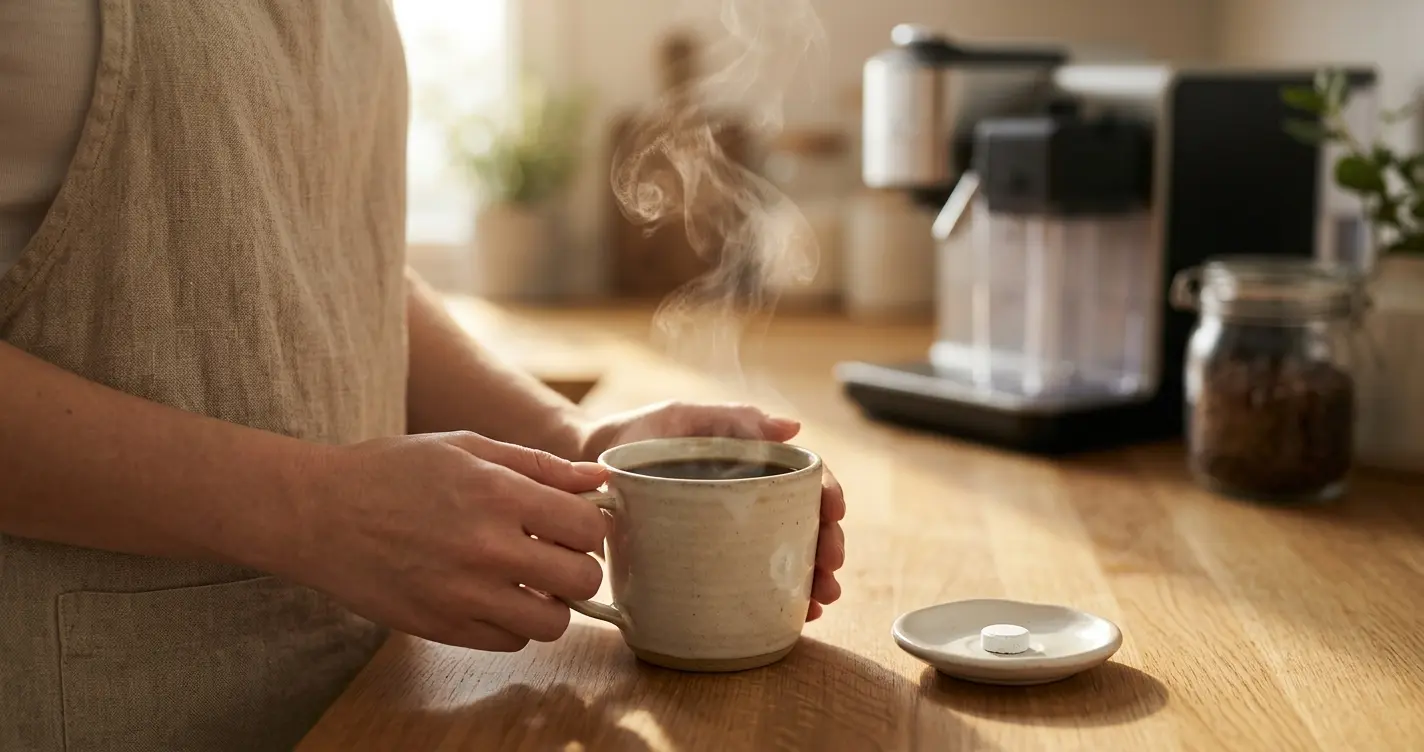
ما هي أقراص تنظيف ماكينة القهوة أصلًا؟
أقراص تنظيف ماكينة القهوة هي منتجات تنظيف مدمجة ومحددة الكمية مسبقًا، صُممت لإذابة الأوساخ المتراكمة داخل الماكينة. ما عليك سوى وضع قرص واحد وتشغيل دورة التنظيف، ليتولى تنظيف الأجزاء التي لا يمكنك الوصول إليها.
لقد أصبحت عنصرًا أساسيًا في المطبخ لأنها سهلة الاستخدام. فلا حاجة لقياس المساحيق أو التخمين، فقط قرص واحد ثم شطف. وبالنسبة لكل من يعشق القهوة الجيدة ويكره أعمال الصيانة المعقدة، فهي خيار عملي ومريح.
أقراص التنظيف مقابل أقراص إزالة الترسبات: ليستا الشيء نفسه
إليك نقطة التباس تستحق التوضيح فورًا. فأقراص التنظيف تزيل زيوت القهوة والبقايا، أي الطبقة البنية الدهنية التي تغلف داخل الماكينة. أما أقراص إزالة الترسبات، فهي تعالج التراكمات المعدنية الناتجة عن الماء العسر.
وهذا التمييز مهم من ناحية السلامة لأن كلا النوعين يستخدم مكونات مختلفة جدًا. فأقراص التنظيف تعتمد على منظفات لطيفة، بينما تعتمد منتجات إزالة الترسبات على الأحماض. وقد لا يؤدي استخدام النوع الخاطئ بالضرورة إلى ضرر، لكنه لن ينجز المهمة أيضًا.
لماذا تحتاج الماكينات إلى أكثر من مجرد الماء
في كل مرة تقوم فيها بتحضير القهوة، تترك القهوة وراءها زيوتًا وجزيئات دقيقة. ومع مرور الأسابيع، تتزنخ هذه البقايا وتبدأ في التأثير على المذاق، فتضيف إلى كوبك نكهة مُرّة أو باهتة.
وفي الوقت نفسه، تُكوّن المعادن الموجودة في الماء بهدوء طبقات من التكلسات على عناصر التسخين والأنابيب. ولا يمكن لعمليات الشطف بالماء العادي إذابة أيٍّ من هذين النوعين من التراكمات، ولهذا السبب تحديدًا توجد منتجات تنظيف مخصصة.
ما الذي يوجد فعليًا داخل هذه الأقراص؟
قد تبدو قوائم المكونات مقلقة، فهي مليئة بأسماء كيميائية طويلة. لكن معظم هذه المواد شائعة ومفهومة جيدًا وتُستخدم في منتجات التنظيف اليومية. دعونا نوضح المكونات المعتادة لأقراص إزالة الترسبات الخاصة بماكينات القهوة بلغة بسيطة.
شرح عوامل التنظيف الشائعة
تحتوي أقراص التنظيف عادةً على عدد قليل من المكونات الأساسية:
بيركربونات الصوديوم تطلق الأكسجين عند ملامستها للماء، مما يزيل زيوت القهوة والبقع. وهو نفس المنظف المعتمد على الأكسجين الموجود في العديد من معززات الغسيل.
كربونات الصوديوم (صودا الغسيل) تليّن الماء وتساعد على تفكيك البقايا الدهنية.
تُعد المواد الخافضة للتوتر السطحي المنظفات التي تمكّن الماء من الالتصاق بالزيوت وشطفها بعيدًا.
لا يُعد أي من هذه المكونات غير مألوف. فهي العناصر الأساسية وراء معظم أعمال التنظيف المنزلية، وقد تم اختيارها لأنها فعّالة وتُشطف بسهولة دون أن تترك بقايا.
مكونات أقراص إزالة الترسبات: الأحماض ودورها
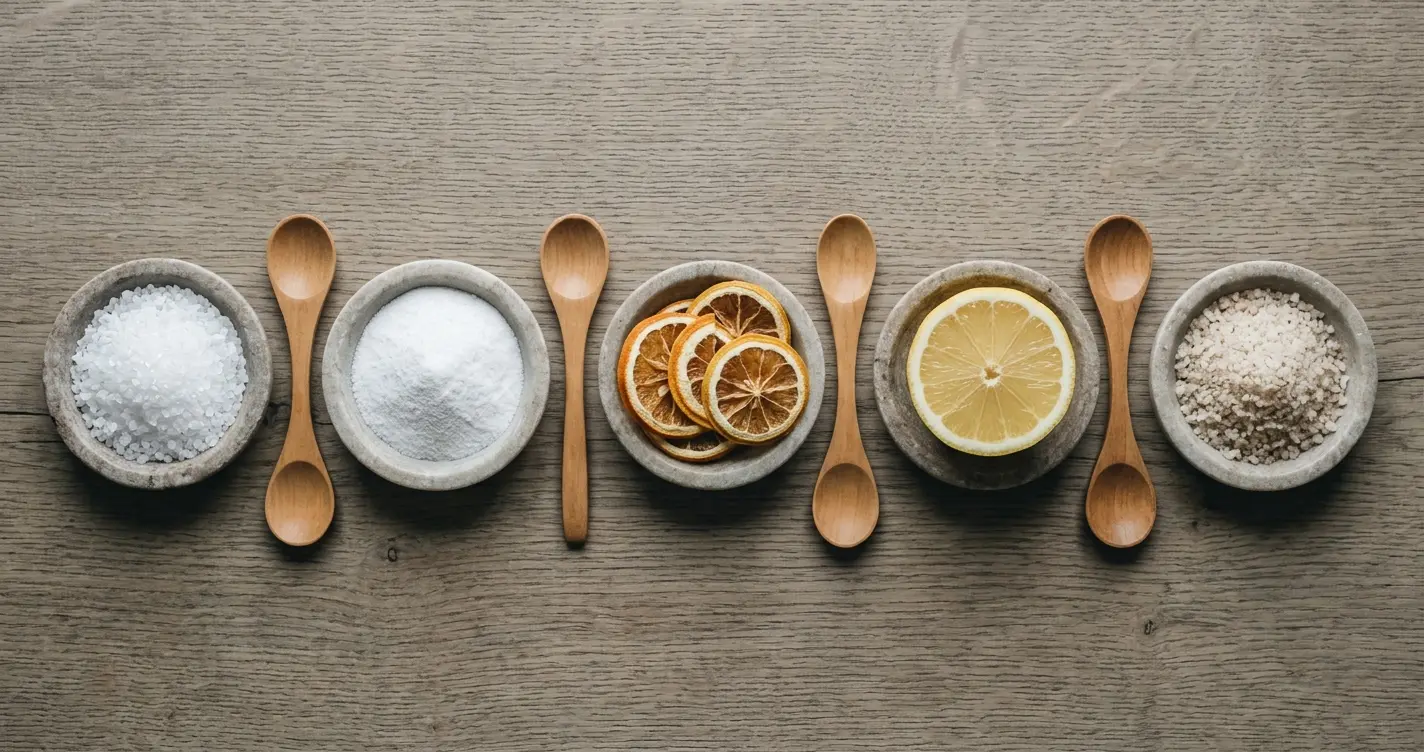
تعتمد أقراص إزالة الترسبات على نهج مختلف، إذ تستخدم أحماضًا لطيفة لإذابة التكلسات. وأكثرها شيوعًا هي حمض الستريك، وحمض اللاكتيك، وحمض السلفاميك.
يأتي حمض الستريك من الفواكه الحمضية ويُعد من ألطف مواد إزالة الترسبات. كما أن حمض اللاكتيك مشتق من مصادر غذائية ولطيف على الأجهزة. أما حمض السلفاميك فهو أقوى وأسرع، ويوجد غالبًا في المنتجات المصممة للتراكمات الشديدة، رغم أنه يتطلب شطفًا أكثر دقة.
المكونات التي تستحق نظرة فاحصة
قد تبدو بعض المكونات مقلقة في ظاهرها، لكنها آمنة تمامًا في سياق استخدامها. فعلى سبيل المثال، قد يبدو {#0#}بيركربونات الصوديوم{#1#} مادة كيميائية قاسية، إلا أنه يتحلل إلى ماء وأكسجين ورماد الصودا، وجميعها غير ضارة بالكميات الضئيلة المستخدمة.
يكمن التحذير الحقيقي في المنتجات الأرخص. فأحيانًا تستخدم الأقراص منخفضة التكلفة منظفات صناعية أشد قسوة أو تضيف عطورًا وأصباغًا لا تخدم أي غرض تنظيفي. وعند الشك، تكون قائمة المكونات الأقصر والأكثر وضوحًا هي الخيار الأفضل عادةً.
إذًا، هل هي آمنة؟ الإجابة المباشرة
نعم، أقراص تنظيف آلة القهوة آمنة عند استخدامها وفقًا للإرشادات. والعبارة الأساسية هنا هي "وفقًا للإرشادات"، لأن معظم المخاوف المتعلقة بالسلامة ترجع إلى سوء الاستخدام وليس إلى الأقراص نفسها.
فكّر فيها كما تفكر في منظف غسالة الصحون. أنت لن تتناوله مباشرة من العبوة، لكنك تستخدم الأطباق المغسولة به بكل اطمئنان لأن دورة الشطف تؤدي دورها. وتعمل أقراص التنظيف بالمبدأ نفسه.
هل أقراص تنظيف ماكينة الإسبريسو آمنة للاستخدام الغذائي؟
هذا هو السؤال الذي يشغل الكثيرين، لذا دعنا نجيب عنه مباشرة. القرص نفسه غير مخصص للأكل، لكنه مُصاغ للاستخدام في المعدات التي تُحضّر الطعام والشراب، ومصمم ليُشطف بالكامل.
ولزيادة الاطمئنان، ابحث عن الشهادات على الملصق. هل أقراص تنظيف ماكينة الإسبريسو آمنة للاستخدام الغذائي؟ تحمل المنتجات الموثوقة علامات مثل شهادة NSF أو اعتمادات ملامسة الأغذية، ما يعني أن جهة مستقلة قد تحققت من ملاءمتها للآلات التي تلامس ما تستهلكه. وإذا كان المنتج لا يورد مثل هذه الادعاءات، فذلك سبب يدعو إلى الحذر.
ما الذي تقوله الأبحاث والجهات التنظيمية
يتفق المصنعون وجهات سلامة الغذاء عمومًا على أن هذه المنتجات لا تشكل أي خطر ذي أهمية عند اتباع التعليمات. ولا تزال الإرشادات السارية حتى عام 2026 تؤكد القاعدة الأساسية نفسها: نظّف ثم اشطف جيدًا.
تتعامل الجهات التنظيمية مع هذه الأقراص باعتبارها مواد تنظيف للأسطح الملامسة للأغذية، وهي الفئة نفسها التي تندرج تحتها منظفات المطابخ التجارية. والخلاصة التي تهم المستخدمين اليوميين مطمئنة وليست تقنية. فالنظام ينجح ما دمت لا تتجاوز خطوة الشطف.
المصدر الحقيقي للقلق: البقايا المتبقية
إذا كانت هناك مسألة سلامة حقيقية واحدة، فهي هذه. فالمشكلة ليست في القرص نفسه، بل في البقايا المتبقية. فمعظم الشكاوى المتعلقة بالمذاق الغريب أو اضطراب المعدة تعود في النهاية إلى الشطف غير الكافي.
بقايا أقراص تنظيف القهوة والمخاطر الصحية
فماذا يحدث إذا لم تُشطف البقايا؟ في أغلب الأحيان، يظهر مذاق سيئ، كالصابون أو المرارة أو الطعم الكيميائي. إنه أمر مزعج، لكنه ليس خطيرًا بكميات صغيرة.
بكميات أكبر، يمكن أن تتسبب بقايا التنظيف في اضطراب خفيف بالمعدة أو غثيان، مشابه لابتلاع كمية من ماء غسيل الأطباق الصابوني. وعندما يتعلق الأمر ببقايا أقراص تنظيف القهوة والمخاطر الصحية، فإن النظر إلى الأمر بواقعية يساعد: أسوأ سيناريو محتمل بشكل واقعي في آلة استُخدمت بشكل صحيح مع تجاوز شطفة واحدة هو كوب ذو مذاق سيئ، وليس حالة طبية طارئة. ومع ذلك، لا يوجد سبب يدعو إلى شربه، كما أن الشطف الصحيح يزيل المشكلة تمامًا.
علامات التحذير على أنك لم تشطف بما يكفي
تُعد حواسك دليلًا موثوقًا هنا. انتبه إلى هذه العلامات التحذيرية:
طعم صابوني أو كيميائي في القهوة أو الماء
رغوة أو فقاعات زائدة أثناء دورة الشطف
رائحة كيميائية غير معتادة من الآلة
طبقة رقيقة أو سطح زلق على الماء في كوبك
إذا لاحظت أيًا من هذه العلامات، فتوقف وقم بتشغيل المزيد من دورات الشطف حتى تختفي. ثق بحاسة الشم والتذوق لديك؛ فهي أدوات كشف أفضل مما قد تظن.
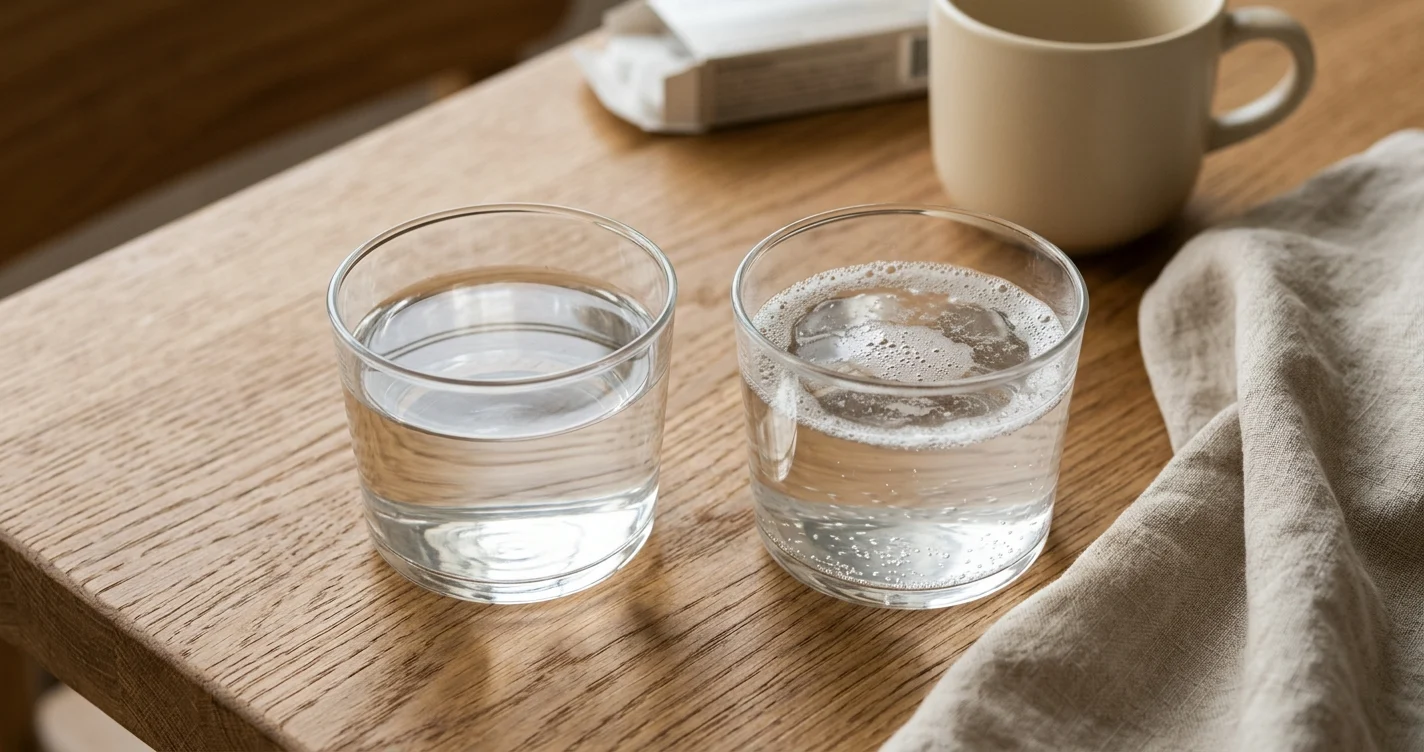
كيفية استخدام أقراص التنظيف بأمان
يعتمد استخدام هذه المنتجات بثقة على اتباع روتين بسيط. وبعد القيام بذلك بضع مرات، يصبح الأمر طبيعيًا للغاية.
كيفية شطف آلة القهوة بعد استخدام الأقراص
تُعد معرفة كيفية شطف آلة القهوة بعد استخدام أقراص التنظيف المهارة الأهم على الإطلاق. إليك نهجًا عامًا يناسب معظم الآلات:
قم بتشغيل دورة التنظيف الكاملة كما توضّحها التعليمات.
أفرغ خزان المياه بالكامل وأعد ملأه بمياه نظيفة وعذبة.
قم بتشغيل دورتين إلى ثلاث دورات كاملة على الأقل باستخدام الماء فقط ومن دون أي قرص.
تذوّق الماء أو اشتم رائحته من الشطفة النهائية. إذا كان نظيفًا ومن دون رائحة، فقد انتهيت. وإذا لم يكن كذلك، فأعد الشطف مرة أخرى.
بالنسبة إلى ماكينات الإسبريسو، لا تنسَ غسل رأس المجموعة وعصا البخار. أما ماكينات الكبسولات، فقم بتشغيل دورات الشطف من دون إدخال كبسولة. وأجهزة التقطير تحتاج فقط إلى تمرير إبريقين كاملين من الماء النظيف عبرها.
الجرعة، وتكرار الاستخدام، والأخطاء الشائعة
استخدام المزيد من الأقراص لا يعني نظافة أكبر. فالإفراط في استخدامها لا يترك سوى مزيد من البقايا التي يجب شطفها، وقد يجهد موانع التسرب في جهازك بمرور الوقت. التزم دائمًا بالجرعة الموصى بها.
أما بالنسبة إلى عدد مرات الاستخدام، فإن التنظيف كل شهر إلى شهرين يناسب معظم المستخدمين المنزليين، بينما يعتمد إزالة الترسبات على درجة عسر المياه، ويكون عادةً كل شهرين إلى ثلاثة أشهر تقريبًا في المناطق ذات المياه العسرة. وأكثر الأخطاء شيوعًا هي تخطي الشطف، ومضاعفة عدد الأقراص، وخلط منتجات التنظيف مع منتجات إزالة الترسبات في الدورة نفسها.
إبعاد الأقراص عن الأطفال والحيوانات الأليفة
إليك ملاحظة سريعة لكنها مهمة. فكثير من الأقراص تكون بيضاء ومستديرة وبحجم يقارب حجم الحلوى أو المكافأة، مما يجعلها مغرية للأطفال الفضوليين والحيوانات الأليفة.
احفظها في عبوتها الأصلية، محكمة الإغلاق، وبعيدًا تمامًا عن متناول اليد. وإذا ابتلع طفل أو حيوان أليف أحدها، فاتصل فورًا بمركز مكافحة السموم أو بالطبيب البيطري، واحتفظ بالعبوة في متناولك حتى تتمكن من قراءة المكونات.
بدائل أكثر أمانًا وطبيعية
إذا كنت تفضل تجاوز الأقراص التجارية بالكامل، فلديك خيارات. بعضها يعمل بكفاءة ممتازة، بينما يأتي بعضها الآخر مع تنازلات من المهم معرفتها.
أقراص تنظيف ماكينة القهوة غير السامة
تسوّق العديد من العلامات التجارية الآن أقراص تنظيف غير سامة لماكينات القهوة، وغالبًا ما تكون مُصنفة على أنها قابلة للتحلل الحيوي أو صديقة للبيئة. وتستخدم هذه المنتجات عادةً أحماضًا مشتقة من النباتات ومنظفات ألطف تتحلل بسهولة في الماء.
لكن المشكلة أن مصطلحي "غير سام" و"طبيعي" لا يخضعان لتنظيم صارم، لذلك قد يظهَران على منتجات لا تختلف كثيرًا عن المنتجات القياسية. اعتمد على الشهادات الفعلية بدلًا من العبارات التسويقية الرنانة. فملصقات الاعتماد البيئي المعترف بها والموافقات الخاصة بملامسة الأغذية أكثر أهمية بكثير من وجود ورقة خضراء على العبوة.
الخيارات المنزلية: الخل، وحمض الستريك، وبيكربونات الصوديوم
تحظى الطرق المنزلية بشعبية لسبب وجيه، لكنها ليست جميعًا متساوية في الفعالية. إليك مقارنة صريحة:
| الطريقة | الأفضل لـ | القيود |
|---|---|---|
| الخل الأبيض | إزالة الترسبات الكلسية بتكلفة منخفضة | رائحة وطعم يبقيان لفترة؛ يتطلب شطفًا مكثفًا؛ غير مثالي لبعض ماكينات الإسبريسو |
| مسحوق حمض الستريك | إزالة الترسبات برائحة أقل من الخل | لا يزيل زيوت القهوة؛ ويجب ضبط الجرعة بدقة |
| صودا الخبز | تنظيف سطحي خفيف للأجزاء القابلة للإزالة | قد يترك بقايا؛ وغير مناسب للمكونات الداخلية |
الحكم الصريح: تؤدي الخيارات المنزلية مهمة إزالة الترسبات بشكل معقول، لكنها تواجه صعوبة مع زيوت القهوة، وهو بالضبط ما صُممت أقراص التنظيف المخصصة لإزالته. يستخدم كثير من الأشخاص مزيجًا من الاثنين: حمض الستريك لإزالة الترسبات، والأقراص للتنظيف العميق.
الخلاصة: أقراص تنظيف ماكينات القهوة آمنة عند اختيار منتج معتمد، واتباع الجرعة المحددة، والشطف جيدًا. إذا التزمت بهذه الأمور الثلاثة، يمكنك الاستمتاع بماكينة أنظف وفنجان أفضل مذاقًا دون أي تردد.
الأسئلة الشائعة
س: هل يمكنني شرب القهوة مباشرة بعد تنظيف الماكينة؟
ج: ليس فورًا. يجب تشغيل ما لا يقل عن دورتين إلى ثلاث دورات شطف بالماء فقط أولًا للتخلص من أي بقايا لمادة التنظيف. بمجرد أن يصبح ماء الشطف نظيف الطعم والرائحة، تكون الدفعة التالية جاهزة للتحضير.
س: هل أقراص التنظيف آمنة لجميع أنواع الماكينات؟
ج: نعم بشكل عام، ولكن احرص دائمًا على اختيار القرص المناسب لجهازك. فقد تختلف متطلبات ماكينات الإسبريسو، وآلات التقطير، وماكينات الكبسولات، كما تبيع بعض العلامات التجارية أقراصًا بمقاسات مخصصة لأنظمة معينة. راجع دليل جهازك، لأن استخدام منتج غير مناسب قد يؤدي إلى إبطال الضمان أو ترك بقايا في الأجزاء التي يصعب شطفها.
س: هل تنتهي صلاحية أقراص التنظيف أو تصبح غير آمنة بمرور الوقت؟
ج: لا تصبح خطرة، لكنها تفقد فعاليتها. تتمتع معظم الأقراص بعمر تخزين يتراوح بين سنة وسنتين، وقد لا تذوب الأقراص القديمة بالكامل أو تنظف بالكفاءة نفسها. احفظها في مكان بارد وجاف ومغلقة بإحكام بعيدًا عن الرطوبة، وتحقق من التاريخ المدون على العبوة.
س: هل الأقراص الأعلى سعرًا أكثر أمانًا فعلاً من الخيارات الاقتصادية؟
ج: ليس بالضرورة. فالسعر يعكس في كثير من الأحيان العلامة التجارية بقدر ما يعكس الجودة. والأهم هو قائمة المكونات والشهادات المعتمدة. ويُعد القرص متوسط السعر الحاصل على اعتماد للاستخدام مع الأسطح الملامسة للأغذية خيارًا أكثر أمانًا من قرص باهظ الثمن ذي ادعاءات غير واضحة، وغالبًا أفضل من الخيار الأرخص الذي يحتوي على منظفات قوية غير موضحة على الملصق.
س: ماذا ينبغي أن أفعل إذا شربت بقايا من المادة بالخطأ؟
ج: لا داعي للذعر. فكمية صغيرة من بقايا مواد التنظيف المخففة لا تسبب عادةً أكثر من طعم غير مستساغ أو اضطراب خفيف في المعدة. اشرب بعض الماء، وإذا شعرت بتوعك أو ابتلعت كمية كبيرة، فاتصل بمركز مكافحة السموم أو بطبيبك للاطمئنان. وبالنسبة لعمليات التحضير القادمة، ما عليك سوى تشغيل دورات شطف إضافية قبل الشرب.