
يبدو العثور على شريك لتوريد الصابون المصنوع يدويًا أمرًا بسيطًا إلى أن تصل الشحنة الأولى متشققة أو تحمل ملصقات غير صحيحة أو تكون عالقة في الجمارك. بالنسبة إلى العلامات التجارية وتجار التجزئة والموزعين، فإن المورد الذي تختارونه لا يقتصر دوره على تنفيذ الطلب—بل يحمل سمعتكم مع كل قطعة صابون تغادر أرضية المصنع.
اعتبروا هذا الدليل قائمة تحقق عملية. فهو يستعرض الأسئلة التي تميز شريك التصنيع الموثوق عن الخطأ المكلف، وينظمها ضمن خمسة مجالات: القدرات، والشهادات، والتخصيص، والحد الأدنى لكمية الطلب ومواعيد التسليم، والعمليات اليومية.
لماذا يهم طرح الأسئلة الصحيحة قبل الالتزام
اختيار المورد قرار يتعلق بعلاقة طويلة الأمد، وليس بأمر شراء واحد. تكشف الأسئلة الصحيحة كيفية تشغيل المصنع فعليًا—بما في ذلك وثائقه، واتساقه، وقدرته على النمو معكم—وذلك قبل وقت طويل من انتقال الأموال.
التكلفة الحقيقية لاختيار المورد غير المناسب
قد يؤدي مكوّن غير متوافق أو مستند سلامة مفقود إلى احتجاز حاوية كاملة في أحد الموانئ الأوروبية أو في أمريكا الشمالية. هذا ليس تأخيرًا بسيطًا. بل يعني مخزونًا راكدًا، وضياع مساحات العرض في متاجر التجزئة، وفقدان قاعدة من العملاء ثقتها بعلامتكم التجارية.
الجودة غير المتسقة هي الخطر الأكثر هدوءًا. فعندما تبدو الدفعة الثالثة مختلفة عن الدفعة الأولى، يعترض تجار التجزئة وترتفع معدلات الإرجاع. وفي أسواق الشرق الأوسط والاتحاد الأوروبي وأمريكا الشمالية—حيث ترتفع مستويات التدقيق التنظيمي وتوقعات المستهلكين—نادرًا ما تُغتفر هذه الفجوات.
كيف تم تنظيم هذا الدليل
ستجد أدناه أسئلة مجمّعة ضمن خمس فئات عملية. اعمل عليها بالترتيب، وستحصل على صورة واضحة عمّا إذا كان المورد يستحق طلب عيّنة أم يجب استبعاده تمامًا.
أسئلة حول القدرات والخبرات التصنيعية
تُرسّخ هذه الأسئلة المصداقية. وتوضح إجابات المورد عنها ما إذا كان قادرًا فعليًا على تقديم ما يعد به.
منذ متى وأنتم تعملون في مجال تصنيع منتجات العناية الشخصية؟
تُعدّ سنوات الخبرة مؤشرًا على نضج العمليات. فعلى سبيل المثال، أمضى مصنع يعمل منذ عام 1995 ثلاثة عقود في تحسين التركيبات، ومعالجة مشكلات انتقال العطور، وتعلّم كيفية الحفاظ على جدول معالجة ثابت عبر المواسم.
قد تتمكن الورش الجديدة من إنتاج عيّنات مميزة لمرة واحدة. لكن السؤال الحقيقي هو ما إذا كانت قادرة على تكرار النتيجة نفسها عبر 10,000 وحدة، حتى مع مرور ستة أشهر بين الطلبات.
ما حجم مصنعكم وما قدرتكم الإنتاجية؟
اطلب أرقامًا محددة: مساحة المنشأة، وعدد خطوط الإنتاج، وحجم القوة العاملة. فالمرفق الذي تبلغ مساحته 40,000 متر مربع ويضم 16 خطًا آليًا يختلف تمامًا عن ورشة صغيرة عندما تتضاعف كمية إعادة طلبك فجأة.
يؤثر الحجم أيضًا في المرونة. فالمورد الذي يمتلك قدرة حقيقية يمكنه استيعاب طلب عاجل دون تأخير حساباتك القائمة أو دفعها إلى نهاية قائمة الانتظار.
هل تتولون مشاريع OEM وODM على حد سواء؟
يشير OEM إلى أنهم يصنّعون وفق مواصفاتك وتصميمك. أما ODM فيعني أنهم يقدّمون قدراتهم الخاصة في البحث والتطوير ووضع التركيبات، وهو أمر مفيد عندما تكون لديك فكرة سوقية ولكن لا تملك مخططًا تقنيًا.
يمنحك المصنعون المتكاملون الذين يقدمون الخدمتين معًا مساحة للبدء بتركيباتهم المُثبتة وتطويرها نحو منتجات مصممة بالكامل وفقًا لاحتياجاتك مع نضوج علامتك التجارية.
أسئلة حول الشهادات والامتثال
هنا يتعرض المشترون في قطاع B2B للخسائر في أغلب الأحيان. فالشهادات ليست للزينة—بل هي الوثائق التي سيطلبها وكلاء التخليص الجمركي ومشترو التجزئة التابعون لك.
ما شهادات الجودة والسلامة التي تحملونها؟
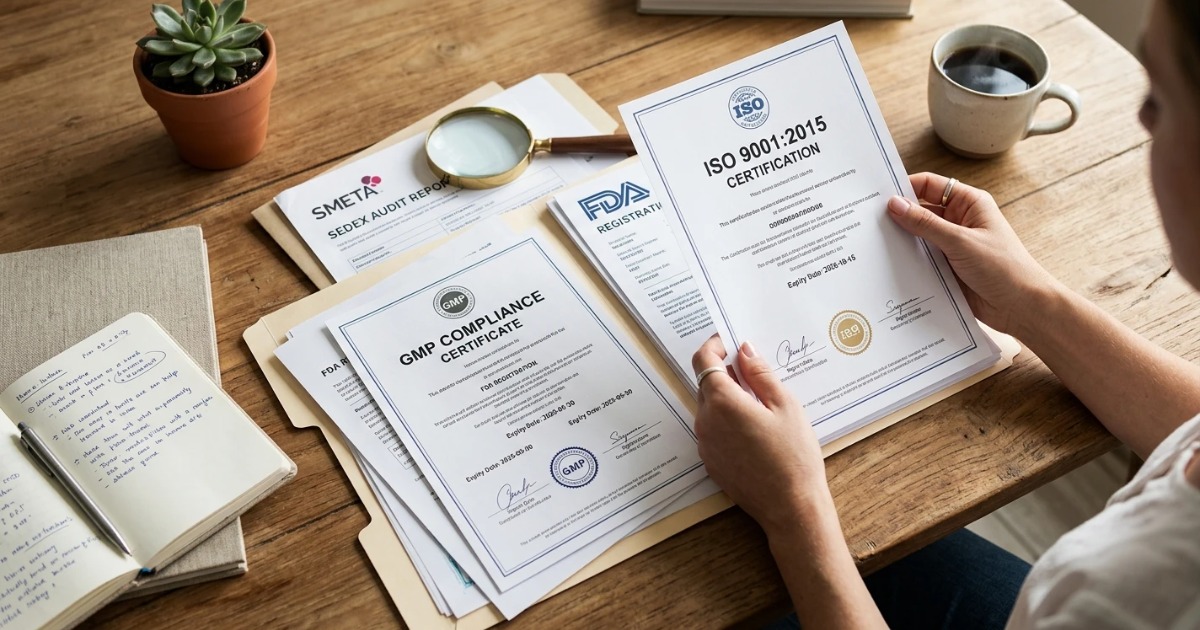
ابحث عن شهادات GMP وISO وFDA وSMETA. تتحقق GMP من اتساق ظروف التصنيع وخضوعها للرقابة. وتغطي ISO الإدارة المنهجية للجودة. كما أن تسجيل FDA مهم للامتثال لمتطلبات مستحضرات التجميل والعناية الشخصية في الولايات المتحدة، بينما تؤكد عمليات تدقيق SMETA الالتزام بالمعايير الأخلاقية والاجتماعية على امتداد سلسلة التوريد.
اطلب الاطلاع على الشهادات وتواريخ انتهائها، وليس مجرد ادعاءات شفهية. فالمورد الشرعي يشاركها دون تردد.
هل منتجاتكم متوافقة مع لوائح السوق المستهدف؟
يفرض الاتحاد الأوروبي إعداد تقارير سلامة مستحضرات التجميل وإجراء إخطار CPNP. ولأمريكا الشمالية قواعدها الخاصة المتعلقة بالملصقات والإفصاح عن المكونات. أما الشرق الأوسط، فعادةً ما يضيف متطلبات الاستيراد ووضع الملصقات باللغة العربية.
يمكن للمورد الذي يفهم هذه الاختلافات أن ينبهك إلى المكونات المقيّدة قبل أن تدخل في تركيبتك—مما يوفر عليك إعادة الصياغة لاحقًا.
هل يمكنكم توفير تركيبات نباتية أو خالية من التجارب على الحيوانات؟
انتقل الطلب على منتجات العناية الشخصية النباتية وغير المختبرة على الحيوانات من نطاق محدود إلى التيار السائد في الأسواق الغربية وأسواق الخليج. ويمكن للمصنع المتمكن إعداد تركيبات خالية من المكونات ذات المصدر الحيواني والتأكيد على عدم إجراء تجارب على الحيوانات ضمن عملية التصنيع.
إذا لم يتمكن المورد من الإجابة بوضوح عما إذا كانت التركيبة نباتية، فاعتبر ذلك مؤشرًا تحذيريًا على ضعف إدارة البيانات.
أسئلة حول التخصيص وتطوير المنتجات
هنا إما أن يبرز منتجك على الرف أو يندمج في بحر من المنتجات المتشابهة.
إلى أي مدى يمكنني تخصيص التركيبة والعطر والمظهر؟
يتيح لك أفضل الشركاء تعديل قاعدة المكونات، وخصائص الرائحة، واللون، والشكل المادي. كل متغير هو أداة للتميّز—إضافة مقشّرة هنا، وعطر مميز هناك.
استفسر عن مكتبة العطور لديهم وعن استعدادهم لتوفير عطر محدد تقدمه لهم أو مطابقته.
هل توفرون قوالب وعبوات مخصصة؟
تحوّل القوالب المخصصة قالبًا عامًا إلى منتج يمكن التعرّف عليه باعتباره منتجك. وبدمجها مع عبوات تحمل علامتك التجارية الخاصة، يمكنك بناء هوية منتج يصعب على المنافسين تقليدها فعليًا.
تأكد مما إذا كانت تكلفة تجهيز القالب تُدفع مرة واحدة، ومن يحتفظ بملكية القالب بعد ذلك.
كيف تبدو عملية إعداد العينات لديكم؟
عادةً ما تستغرق العينات المخصصة 7–14 يومًا، اعتمادًا على مدى تعقيد التركيبة، وتوفير العطر، والمظهر، والعبوات. لا توافق مطلقًا على الإنتاج بالجملة استنادًا إلى الوصف وحده. تكشف العينات الفعلية عن الملمس، والرغوة، وانتشار الرائحة، واللمسة النهائية، وهي أمور لا يمكن لأي ورقة مواصفات أن توضحها.
أسئلة حول الحد الأدنى لكمية الطلب، والمهل الزمنية، والأسعار
تحدد هذه الأرقام ما إذا كانت الشراكة واقعية من الناحية المالية بالنسبة إلى مرحلة نموك.
ما هي الحد الأدنى لكمية الطلب؟
يتيح الحد الأدنى المنخفض لكمية الطلب—بدءًا من حوالي 1,000 وحدة—للعلامات التجارية الناشئة اختبار السوق دون المخاطرة بملء مستودع بمخزون غير مباع. أما الحد الأدنى المرتفع فيلزمك بالتزامات قبل توفر بيانات معدل تصريف المنتجات.
ما هي المدد الزمنية للإنتاج والشحن؟
تتراوح المدة الواقعية للإنتاج بالجملة حول 25–30 يومًا بعد اعتماد العينة. وغالبًا ما يكون الموردون الذين يعدون بمدد إنجاز سريعة بشكل غير معتاد إما يبالغون في وعودهم أو يتجاوزون مراحل المعالجة وضبط الجودة.
تتيح لك الجداول الزمنية المتوقعة التخطيط للمخزون والعروض الترويجية والتزامات البيع بالتجزئة بثقة.
كيف يتم تحديد الأسعار لمختلف أحجام الطلبات؟
اطلب أسعارًا متدرجة لمختلف شرائح الكميات، وتفصيلًا كاملًا يشمل تكاليف التجهيز والتغليف وأي رسوم إعداد لكل SKU. تظهر الرسوم المخفية عادةً في الفاتورة، وليس في عرض السعر—لذلك احرص على طلب الشفافية منذ البداية.
أسئلة حول التواصل والخدمات اللوجستية والدعم
تحدد العلاقة التشغيلية ما إذا كانت الطلبات المتكررة ستتم بسلاسة أم ستسبب التوتر.
من سيكون جهة الاتصال الخاصة بي؟
يحول مدير حساب مخصص يرد خلال ساعات—وليس أيامًا—دون تفاقم المشكلات الصغيرة وتحولها إلى مشكلات تؤخر الشحنات. ويكتسب توافق المناطق الزمنية ووضوح اللغة أهمية أكبر مما يتوقعه معظم المشترين.
كيف تتعاملون مع ضبط الجودة وحل المشكلات؟
اسأل عن عمليات الفحص أثناء الإنتاج، والفحوصات النهائية للدفعات، والإجراءات المتبعة عند اكتشاف عيب. يملك المورد الجاد بروتوكولًا مكتوبًا للتعامل مع العيوب، ويمكنه توضيح كيفية الحفاظ على ثبات اللون والرائحة والوزن في عمليات إعادة الطلب.
كيف تجيب Boymay عن كل سؤال في هذه القائمة
الآن بعد أن عرفت ما الذي يجب أن تسأل عنه، إليك كيفية تقييم إحدى الشركات المصنّعة وفقًا لقائمة التحقق الكاملة.
أكثر من 30 عامًا من الخبرة في تصنيع OEM/ODM
تركّز Boymay على تصنيع الإسفنجات الخاصة بالاستحمام، وجل الاستحمام، ومنتجات العناية الشخصية بنظام OEM/ODM منذ عام 1995. وتعمل المنشأة من مصنع تبلغ مساحته 40,000 متر مربع، يضم 16 خط إنتاج آليًا وفريقًا يزيد على 200 موظف—وهي قدرة تدعم الطلبات التجريبية والطلبات الكبيرة على حد سواء.
محفظة متكاملة من الشهادات والامتثال
يحمل المصنع شهادات GMP وISO وFDA وSMETA، مما يوفر للمشترين المستندات اللازمة لدخول الأسواق في أمريكا الشمالية وأوروبا والشرق الأوسط بثقة.
حد أدنى منخفض للطلب، ومواعيد موثوقة، وتخصيص مرتفع
يبدأ الحد الأدنى للطلب من 1,000 وحدة. وعادةً ما تُجهّز العينات المخصصة خلال 7–14 يومًا، بينما يستغرق الإنتاج بالجملة 25–30 يومًا. وتدعم التركيبات تخصيصًا واسعًا—بما في ذلك القوالب المخصصة—كما يمكن إنتاجها بصيغة نباتية، من دون إجراء اختبارات على الحيوانات.
هل أنت مستعد للشراكة مع شركة مصنّعة موثوقة للصابون المصنوع يدويًا؟
إذا كنت قد أكملت قائمة التحقق الخاصة بك ومستعدًا للانتقال من مرحلة البحث إلى تطوير المنتج، فإن الخطوة التالية هي الحصول على عينة بين يديك. تواصل مع Boymay لطلب عرض سعر، أو طلب عينات مخصصة، أو مناقشة تركيبتك الخاصة بعلامتك التجارية مع أحد المتخصصين.
ابدأ مشروعك مع شريك يجيب بالفعل عن كل سؤال في هذه القائمة—ويمكنه إثبات ذلك من خلال المستندات والعينات وثلاثة عقود من الخبرة في التصنيع.
الأسئلة الشائعة
س: ما الحد الأدنى المعتاد للطلب للصابون اليدوي المخصص؟
ج: تختلف الحدود الدنيا في هذه الصناعة بشكل كبير، لكن المصنعين الذين يسهل التعامل معهم يحافظون على انخفاض متطلبات البدء. تبدأ الكمية الدنيا للطلب لدى Boymay من 1,000 وحدة، مما يتيح للعلامات التجارية الأصغر إطلاق منتجاتها دون المخاطرة بمخزون مفرط.
س: كم من الوقت يستغرق استلام العينات المخصصة؟
ج: تستغرق العينات المخصصة عادةً 7–14 يومًا. ويعتمد التوقيت الدقيق على مدى تعقيد التركيبة، وتوفير العطور، واللون والمظهر، ومتطلبات التغليف.
س: ما الشهادات التي ينبغي أن يمتلكها مورد الصابون للأسواق الأوروبية وأسواق أمريكا الشمالية؟
ج: ابحث عن شهادتي GMP وISO للتصنيع وإدارة الجودة، وتسجيل FDA للامتثال لمتطلبات مستحضرات التجميل في الولايات المتحدة، وشهادة SMETA لمعايير سلسلة التوريد الأخلاقية التي تم التحقق منها. وتغطي هذه الشهادات مجتمعةً معظم المتطلبات التنظيمية ومتطلبات العناية الواجبة للمشترين.
س: هل يمكنني طلب تركيبات صابون نباتية أو خالية من القسوة على الحيوانات؟
ج: نعم. يمكن للمصنعين المؤهلين إعداد منتجات خالية من المكونات المشتقة من الحيوانات والتأكد من عدم اختبارها على الحيوانات. تقدم Boymay خيارات تركيبات نباتية وخالية من القسوة على الحيوانات.
س: ما المدة الواقعية اللازمة للإنتاج بالجملة؟
ج: بعد اعتماد العينة، يُتوقع أن يستغرق الإنتاج بالجملة نحو 25–30 يومًا. وتتيح هذه المدة إجراء التصنيع بالشكل الملائم، وعمليات المعالجة عند الاقتضاء، ومراقبة الجودة.