
أعمل لدى شركة متخصصة في تصنيع قنابل الاستحمام، لذلك كثيرًا ما يُطرح عليّ سؤال: "ممَّ تتكوّن قنبلة الاستحمام فعليًا؟" وقد بدا لي أن الوقت قد حان لكي يقدّم شخص يتعامل مع هذه المواد يوميًا شرحًا مفصلًا لكل مكوّن.
سواء كنتم ترغبون في معرفة ما تنقعون أجسامكم فيه أو تفكرون في تجربة وصفة منزلية لصنع قنبلة استحمام في المنزل، فإن هذا الشرح يغطي كل ما تحتاجون إلى معرفته.
المكونات الأساسية التي تحتاجها كل قنبلة استحمام
في جوهرها، تعتمد كل قنبلة استحمام على تفاعل كيميائي بسيط بين حمض وقاعدة. فعندما تضعون واحدة منها في الماء، تلتقي مادتان جافتان بالرطوبة وتتفاعلان — مطلقتين غاز ثاني أكسيد الكربون. تلك هي الفوَرانة. وذلك هو السحر. وكل ذلك يعود إلى عنصرين بسيطين من مكونات المطبخ.
صودا الخَبز — الأساس في كل قنبلة استحمام
بيكربونات الصوديوم، أو صودا الخَبز، هي الأساس الذي تقوم عليه كل منتجاتنا. وهي تمثل الجانب القلوي في معادلة الفوران لدينا. وإلى جانب إحداث هذا التفاعل، تُعد صودا الخَبز لطيفة بطبيعتها على البشرة — فهي تُلطّف الماء ويمكن أن تساعد في تهدئة التهيّج البسيط.
من واقع خبرتي، تُعد نسبة صودا الخَبز بالغة الأهمية. فزيادتها كثيرًا تؤدي إلى ترك قنبلة الاستحمام بقايا بيضاء طباشيرية في الحوض. أما قلّتها فتجعل الفوران يتلاشى بسرعة مخيبة للآمال. وقد احتجنا إلى جولات متعددة من الاختبارات للوصول إلى هذه المعادلة بدقة.
حمض الستريك — عامل الفوران
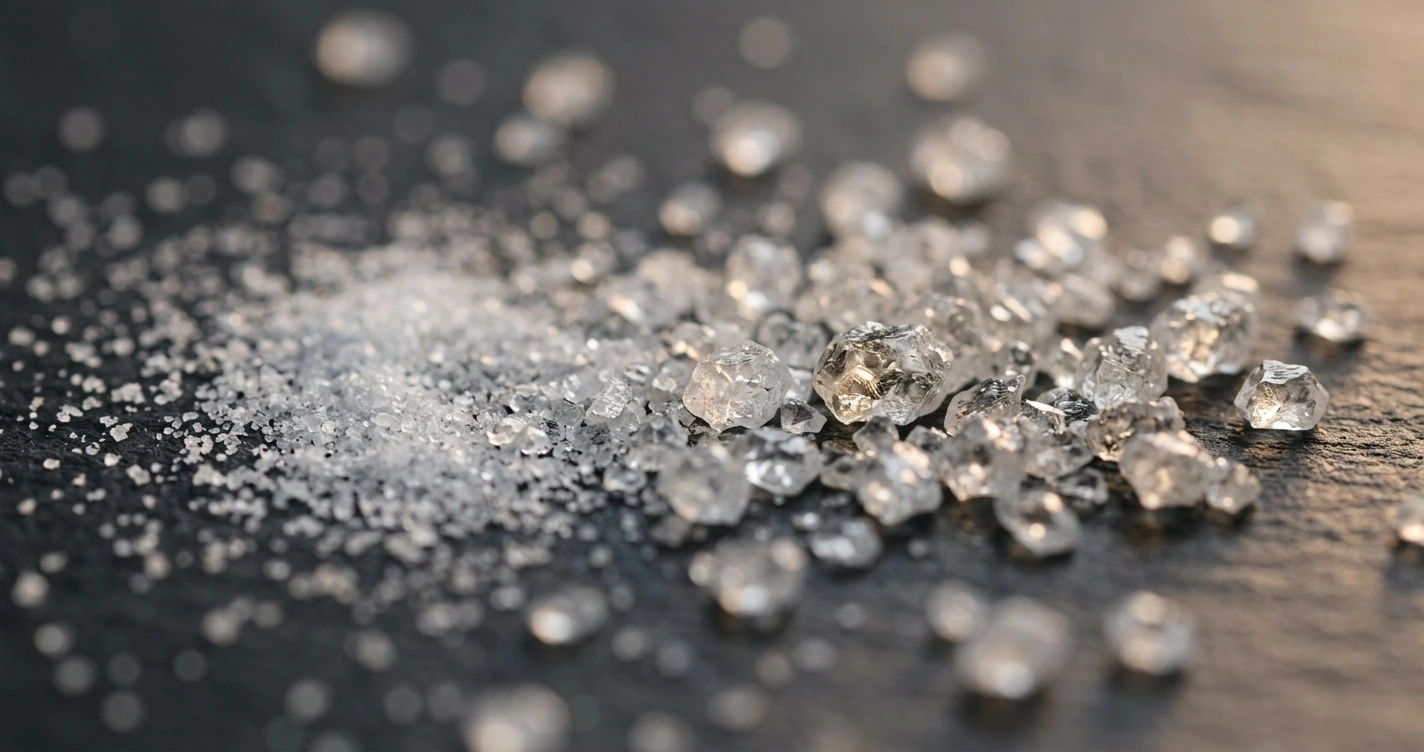
حمض الستريك هو الطرف الحمضي المقابل. ويُستخلص طبيعيًا من الفواكه الحمضية، رغم أن المسحوق الغذائي الذي نستخدمه يُنتَج عبر التخمير. وعندما يلتقي حمض الستريك بصودا الخَبز في الماء، ينتج عن التفاعل تلك الفقاعات المُرضية التي يحبها الجميع.
إليكم أمرًا لا يدركه معظم الناس: حجم الحبيبات مهم. فحمض الستريك ذو الحبيبات الدقيقة يمتزج بصورة أكثر تجانسًا ويُنتج فورانًا أكثر سلاسة وثباتًا. أما الحبيبات الخشنة فقد تؤدي إلى قوام غير متساوٍ، وأحيانًا تتسبب في تفعّل القنبلة بشكل غير متوازن. لذلك نحرص دائمًا على طحنه إلى درجة قوام محددة.
النسبة الذهبية بين هذين المكوّنين
النسبة القياسية التي نعمل بها هي 2:1 — جزآن من بيكربونات الصوديوم مقابل جزء واحد من حمض الستريك. يمنحك هذا التوازن فورانًا قويًا يدوم لعدة دقائق جيدة دون أن يترك بقايا حبيبية.
لقد رأيت أشخاصًا يجرّبون نسب 3:1 أو 1:1. يمنح مزيج 3:1 فورانًا ضعيفًا ويبدو بودريًا. أما نسبة 1:1 فتُحدث فورانًا قويًا جدًا، لكنها قد تسبّب تهيّجًا للبشرة الحساسة بسبب الحموضة الزائدة. ونحن نعود دائمًا إلى تلك النسبة المثالية 2:1.
العوامل الرابطة التي تُبقي كل شيء متماسكًا
إليك الأمر — إذا قمت فقط بضغط بيكربونات الصوديوم وحمض الستريك معًا، فستحصل على خليط مفتّت وغير متماسك. أنت بحاجة إلى شيء يربط المساحيق الجافة في شكل صلب يحافظ على تماسكه أثناء الشحن والتخزين وعند تلك اللحظة الدرامية في حوض الاستحمام. وهنا يأتي دور الزيوت والمواد الرابطة السائلة. فهي مكونات أساسية في صنع قنابل الاستحمام منزليًا، لكن المبتدئين يتغافلون عنها أحيانًا.
الزيوت الحاملة (Coconut، Sweet Almond، Jojoba)
تؤدي الزيوت الحاملة دورًا مزدوجًا في تركيباتنا. فهي تربط المساحيق معًا AND توفّر ترطيبًا مغذيًا للبشرة عند ذوبان القنبلة. ويُغيّر الزيت المناسب الطابع الكامل للمنتج النهائي.
بعد سنوات من العمل باستخدام خيارات مختلفة، إليك كيف أُصنّف أكثر الخيارات شيوعًا:
مقارنة بين الزيوت الحاملة
| نوع الزيت | ملمس البشرة | ثبات مدة التخزين | الأفضل لـ |
|---|---|---|---|
| زيت جوز الهند | غني ومرطب | معتدل | تركيبات البشرة الجافة |
| زيت اللوز الحلو | خفيف وحريري | جيد | قنابل الاستحمام اليومية |
| زيت الجوجوبا | غير دهني ومتوازن | ممتاز | البشرة الحساسة |
| زيت الأفوكادو | ثقيل ومغذٍ | معتدل | تركيبات فاخرة |
شخصيًا، ألجأ إلى زيت اللوز الحلو في أغلب الأحيان. فهو متعدد الاستخدامات، يمتصه الجلد جيدًا، ولا يطغى على طابع العطر.
بندق الساحرة أو الكحول المحمر كرذاذ رابط
هذه هي الحيلة التي تميز قنابل الاستحمام المتماسكة عن تلك المتفتتة. لا يمكنك ببساطة سكب الماء في الخليط — فالماء يفعّل تفاعل حمض الستريك مع بيكربونات الصوديوم فورًا، وتبدأ دفعتك بالفوران على الطاولة. وهذا ليس مثاليًا.
بدلاً من ذلك، نرش بندق الساحرة أو كحول الأيزوبروبيل برفق فوق الخليط مع التحريك. توفر هذه السوائل قدرًا كافيًا من الرطوبة لربط المساحيق من دون تنشيط الفوران. بالنسبة للمبتدئين الذين يجربون وصفة قنابل الاستحمام في المنزل، يُعد بندق الساحرة خيارًا سهل الاستخدام وسهل العثور عليه. أما المحترفون، فغالبًا ما يفضلون الكحول المحمر لأنه يتبخر بسرعة أكبر ويمنح المنتج النهائي صلابة أعلى.
مكونات تضيف اللون والرائحة والجاذبية البصرية
والآن نصل إلى الجزء الممتع — المكونات التي تحوّل كرة فوّارة بيضاء عادية إلى شيء يبدو رائعًا وتفوح منه رائحة مذهلة. وهي ما يجعل وقت الاستحمام يبدو وكأنه تجربة مميزة، لا مجرد نظافة شخصية.
الزيوت العطرية مقابل الزيوت المعطرة
ربما يكون هذا هو السؤال الذي أتلقاه أكثر من غيره. الزيوت العطرية لقنابل الاستحمام مشتقة من النباتات، وطبيعية، وغالبًا ما تأتي مع فوائد العلاج بالروائح. أما زيوت العطور فهي خلطات صناعية توفر نطاقًا أوسع بكثير من خيارات الروائح — مثل كعكة عيد الميلاد، أو نسيم المحيط، أو غزل البنات.
كلاهما خياران صالحان. تمنح الزيوت العطرية رائحة أكثر رقة ووفاءً للطبيعة تتفتح بشكل جميل في الماء الدافئ. أما زيوت العطور فتميل إلى أن تكون أقوى وأطول ثباتًا. نحن نستخدم كلا النوعين بحسب خط المنتجات.
ملاحظة تتعلق بالسلامة: سواء كانت طبيعية أو صناعية، فإن مكونات الروائح تحتاج إلى جرعات مدروسة بعناية. الكمية الأكبر ليست الأفضل. الإفراط في إضافة العطور قد يسبب تهيج البشرة.
خيارات شائعة من الزيوت العطرية لقنابل الاستحمام
| الزيت العطري | وصف الرائحة | الحالة المزاجية/الفائدة | ملاحظات الاستخدام |
|---|---|---|---|
| لافندر | زهري، مهدئ | الاسترخاء | آمن بشكل عام وسهل الاستخدام للمبتدئين |
| الأوكالبتوس | منعش، بنكهة النعناع | منشط، يخفف احتقان الجيوب الأنفية | تجنب الجرعات العالية على البشرة الحساسة |
| برتقال حلو | حمضي، مشرق | محفّز للمزاج | حساس للضوء — يُنصح بالاستخدام مساءً |
| النعناع الفلفلي | بارد، لاذع | منشّط | يُستخدم باعتدال، يخلق إحساسًا بالبرودة |
| Ylang Ylang | حلو وغريب | تخفيف التوتر | رائحة قوية — القليل يكفي |
المواد الملونة — الميكا، ليكس، والخيارات الطبيعية
يُضفي اللون الحيوية على قنبلة الاستحمام. نستخدم بشكل أساسي ثلاثة أنواع من المواد الملونة:
مساحيق الميكا: ذات أساس معدني، زاهية، وتُضفي لمعانًا رائعًا على الماء. معظم أنواع الميكا آمنة للاستخدام في حوض الاستحمام وتُشطف بسهولة.
FD&C Lakes: أصباغ صبغية مركزة تنتج ألوانًا جريئة ومعتمة. قد تتسبب بعض الأنواع في التصبغ إذا استُخدمت بكثرة دون مستحلب.
المواد الملونة الطبيعية: الطين، السبيرولينا، الكركم، ومسحوق الشمندر. خيارات ألطف، لكن نطاق الألوان محدود وقد يترك بعضها بقايا.
وفقًا لتجربتي، توفر مساحيق الميكا أفضل توازن بين اللون الزاهي والملاءمة لحوض الاستحمام.
النباتات المجففة، الجليتر، والعناصر المدمجة
براعم اللافندر المجففة، وبتلات الورد، وأزهار الآذريون — تبدو مذهلة فوق قنبلة الاستحمام. يضيف الجليتر القابل للتحلل الحيوي بريقًا من دون الشعور بالذنب تجاه البيئة. تحتوي بعض منتجاتنا حتى على قطع أصغر مدمجة من فوار الاستحمام بالداخل لمفاجأة ممتعة عند الكشف عنها.
ملاحظة عملية: احرص على أن تكون المكونات النباتية صغيرة ومتفرقة. فقد تؤدي بتلات الزهور الكبيرة والإضافات الضخمة إلى انسداد المصارف. ونحن نوصي العملاء دائمًا باستخدام مصفاة للمصرف إذا كانت الكرة الفوّارة تحتوي على مكونات نباتية ظاهرة.
إضافات اختيارية لكرات الاستحمام المتخصصة
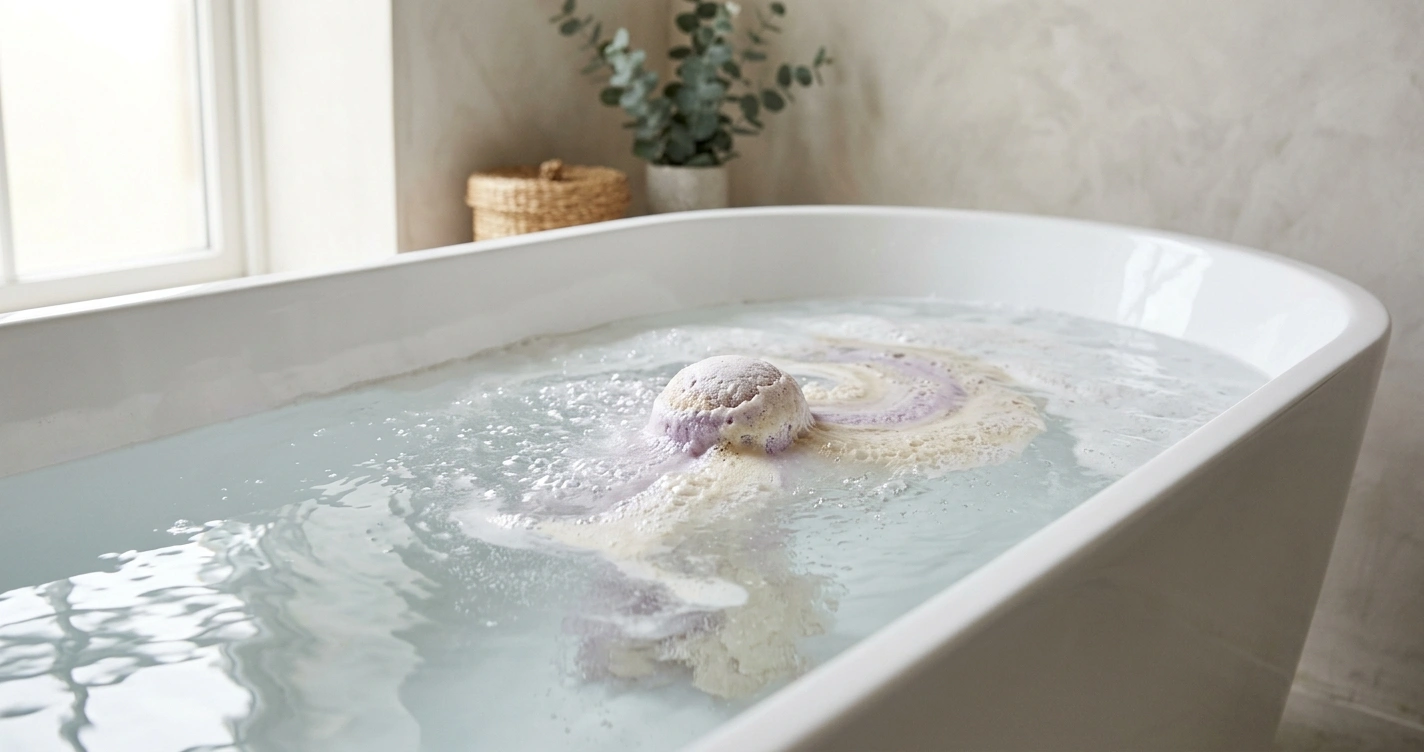
إلى جانب الأساسيات، هناك عالم كامل من المكونات المتخصصة التي تؤدي أغراضًا محددة. وهذه هي مستلزمات صنع كرات الاستحمام الفوّارة التي تحول الكرة البسيطة إلى منتج علاجي أو فاخر.
ملح إبسوم وملح البحر الميت
يحظى ملح إبسوم (كبريتات المغنيسيوم) بتقدير كبير لدوره في إرخاء العضلات. ويؤكد كثيرون فعاليته في التعافي بعد التمارين. وفي كرة الاستحمام، يضيف ملمسًا حبيبيًا خفيفًا يذوب ليمنح الماء إحساسًا حريريًا. أما ملح البحر الميت فيوفر تركيبة غنية بالمعادن تترك البشرة ناعمة للغاية.
ومن الملاحظات التي رصدتها: أن إضافة كمية كبيرة من الملح تسرّع الذوبان. فتفور الكرة بسرعة أكبر ولا تدوم طويلًا في حوض الاستحمام.
أنواع الطين (الكاولين، البنتونيت، الأخضر الفرنسي)
يُعد طين الكاولين إضافتي المفضلة شخصيًا. فهو يمنح كرات الاستحمام ملمسًا حريريًا فاخرًا في الماء، كما يساعد على امتصاص الزيوت الزائدة أثناء الإنتاج. ويوفر طين البنتونيت خصائص لطيفة لإزالة الشوائب. أما الطين الأخضر الفرنسي فيضيف لونًا طبيعيًا جميلًا إلى جانب معادن تساعد على تنعيم البشرة.
نشا الذرة وكريم التارتار
يُعد نشا الذرة مكوّنًا فعّالًا بهدوء. فهو ينعّم البشرة، ويمنح الماء مظهرًا أكثر حليبية، ويبطئ تفاعل الفوران بحيث تدوم الكرة لفترة أطول. ويعمل كريم التارتار كمثبت — إذ يساهم في تقسية الكرة ويساعد على الحفاظ على تماسكها البنيوي أثناء التخزين.
نستخدم كليهما في العديد من تركيباتنا. فهما منخفضا التكلفة، ولطيفان، وفعّالان.
Polysorbate 80 — البطل المجهول
إذا كان هناك مكوّن واحد لا يعرفه عامة الناس لكنه يستحق المعرفة بالتأكيد، فهو Polysorbate 80. يساعد هذا المستحلب الزيوت والملونات على التوزع بالتساوي في ماء الاستحمام بدلاً من الطفو على السطح على شكل طبقة زيتية.
بدونه، يمكن لقنابل الاستحمام الملونة أن تترك حلقة حول حوض الاستحمام، كما تبقى الزيوت على سطح الماء على شكل بقع. نُدرج Polysorbate 80 في معظم التركيبات تقريباً. فهو ما يصنع الفارق بين قنبلة استحمام بجودة احترافية وأخرى منزلية تترك فوضى.
مكوّنات يجب تجنبها في قنابل الاستحمام
بوصفي شخصاً يقوم بتركيب هذه المنتجات يومياً، أودّ الإشارة إلى بعض المكوّنات التي تسبب مشكلات. اعتبر هذا القسم دليلك لحماية المستهلك.
أصباغ صناعية تترك بقعاً
يمكن لبعض أصباغ FD&C — لا سيما الأحمر الداكن والبنفسجي والأزرق — أن تتسبب في تلطيخ البشرة مؤقتاً وترك آثار على أحواض الاستحمام ذات الألوان الفاتحة. إذا حوّلت قنبلة الاستحمام بشرتك إلى اللون الأزرق لساعات بعد الاستحمام، فهذا يعني أن تركيز الملوّن كان مرتفعاً جداً أو أنه تم استخدام نوع غير مناسب. ابحث عن المنتجات التي توضح أنها تستخدم ملونات "غير ملوِّثة".
مركّبات عطرية مهيِّجة
تحتوي بعض مركّبات العطور الصناعية على مواد مسببة للحساسية ومحفزات معروفة للتحسس. إذا كانت بشرتك سريعة التفاعل، فانتبه إلى المنتجات التي تدرج "fragrance" بشكل عام من دون أي تفاصيل إضافية. تكون العلامات التجارية التي تفصح عن الزيوت العطرية المحددة أو مكونات العطر أكثر جدارة بالثقة عادةً للمستخدمين ذوي البشرة الحساسة.
إضافات غير قابلة للذوبان
اللمعان البلاستيكي، والسيقان الكبيرة للزهور المجففة، وبلورات الملح الخشنة، والعناصر التزيينية مثل شخصيات الألعاب — لا يذوب أي منها، ويمكن أن يسبب مشكلات كبيرة في السباكة لديك. تحقق دائماً مما إذا كانت العناصر الزخرفية قابلة للذوبان في الماء أو قابلة للتحلل الحيوي قبل الاستخدام.
قائمة التحقق الكاملة لمكوّنات قنابل الاستحمام
إليك جدولاً مرجعياً سريعاً يغطي كل فئات المكوّنات التي ناقشناها:
| الفئة | المكوّن | الوظيفة | مطلوب أو اختياري |
|---|---|---|---|
| القاعدة | بيكربونات الصوديوم | تُنشئ قاعدة قلوية للتفاعل | مطلوب |
| القاعدة | حمض الستريك | يتفاعل مع بيكربونات الصوديوم لإحداث فوران | مطلوب |
| المادة الرابطة | زيت ناقل | يحافظ على تماسك القنبلة ويرطب | مطلوب |
| المادة الرابطة | Witch Hazel | مادة رابطة بالرش، تمنع الفوران المبكر | مطلوب |
| العطر | الزيوت العطرية الأساسية | يضيف عطراً بشكل طبيعي | اختياري |
| الرائحة | زيوت عطرية | يضيف تنوعًا في الروائح الصناعية | اختياري |
| اللون | مسحوق الميكا | يضيف لونًا نابضًا بالحيوية | اختياري |
| الملمس | ملح إبسوم | استرخاء العضلات، ملمس | اختياري |
| الملمس | نشا الذرة | تنعيم البشرة، يبطئ الفوران | اختياري |
| مادة مضافة | بوليسوربات 80 | يمنع تكوّن حلقات الزيت/اللون | موصى به |
| مادة مضافة | طين الكاولين | ملمس حريري، تقسية | اختياري |
| الديكور | زهور مجففة | جاذبية بصرية | اختياري |
| الديكور | لمعان قابل للتحلل الحيوي | تأثير متلألئ | اختياري |
هل أنت مستعد لاختبار جودة المكونات على أرض الواقع؟
الآن بعد أن أصبحت تعرف بدقة ما يدخل في صنع قنبلة استحمام متقنة — من النسبة المدروسة بين حمض الستريك وبيكربونات الصوديوم إلى المستحلبات التي تحافظ على نظافة حوض الاستحمام — يمكنك تقدير العناية الكامنة وراء كل منتج نصنعه.
تعكس كل دفعة ننتجها المعرفة التي شاركتها هنا: نسب دقيقة، وملونات آمنة على البشرة، وزيوت حاملة عالية الجودة، وذلك العنصر بالغ الأهمية Polysorbate 80 للحفاظ على نظافة التجربة وخلوها من الفوضى. نحن نهتم بهذه التفاصيل بدقة حتى تتمكن أنت ببساطة من فك الغلاف، والإسقاط، والاسترخاء.
تصفح مجموعتنا الكاملة للعثور على تجربة النقع المثالية لك، أو تواصل مع فريقنا إذا كانت لديك أي أسئلة حول أي مكون ضمن تشكيلتنا. ستشكرك بشرتك — وكذلك حوض استحمامك — على ذلك.
الأسئلة الشائعة
س: ما المكونان اللذان يجعلان كرات الاستحمام الفوّارة تُصدر الفقاعات؟
ج: بيكربونات الصوديوم (صودا الخَبز) وحمض الستريك. عندما يلامس هذان المكونان الماء، يُحدثان تفاعلًا حمضيًا-قاعديًا يُطلق غاز ثاني أكسيد الكربون — وهي تلك الفقاعات المُرضية التي تراها. إنها الكيمياء نفسها وراء بركان صودا الخَبز، لكنها مُصاغة هنا لتكون لطيفة وممتعة على بشرتك أثناء الاستحمام في الحوض.
س: هل مكونات كرات الاستحمام الفوّارة آمنة للبشرة الحساسة؟
ج: معظم المكونات الأساسية لطيفة، لكن درجة التحسس تختلف من شخص لآخر. إذا كانت بشرتك سريعة التفاعل، فابحث عن كرات تحتوي على عطر بكمية محدودة، ومن دون أصباغ صناعية، مع إضافات مهدئة مثل حليب الشوفان أو طين الكاولين. أوصي دائمًا بإجراء اختبار بسيط على جزء صغير من الساعد أولًا عند تجربة علامة تجارية أو تركيبة جديدة.
س: هل يمكنني صنع كرات الاستحمام الفوّارة من دون حمض الستريك؟
ج: يمكنك استخدام كريمة التارتار أو مسحوق عصير الحمضيات كبديل، لكن الفوران لن يكون بالقوة نفسها أو يدوم للمدة نفسها. تُنتج كريمة التارتار تفاعلًا ألطف وأبطأ. كما يستخدم بعض الأشخاص مسحوق فيتامين C (حمض الأسكوربيك) أيضًا. بصراحة، يوفّر حمض الستريك أفضل تجربة — وهو متاح بسهولة عبر الإنترنت.
س: ما المكون الذي يمنح كرات الاستحمام الفوّارة رائحتها الجميلة؟
ج: إما الزيوت العطرية الأساسية أو الزيوت العطرية الصناعية. تأتي الزيوت الأساسية من النباتات وتوفّر فوائد علاج عطري طبيعية — مثل اللافندر للهدوء، والأوكالبتوس للنشاط. أما الزيوت العطرية الصناعية فتُنتَج في المختبر وتتيح نطاقًا أوسع من الروائح، بما في ذلك الروائح المستوحاة من الحلويات والخيال التي لا توجد في الطبيعة. وكلاهما يمنح نتيجة رائعة عند استخدامه بالجرعة المناسبة.
س: لماذا تترك بعض كرات الاستحمام الفوّارة بقعًا في الحوض؟
ج: يعود ذلك عادةً إلى عاملين: الأصباغ الصناعية المركزة وغياب مادة استحلاب مثل Polysorbate 80. من دون مادة استحلاب، لا تتوزع الملونات بالتساوي — بل تلتصق بالأسطح بدلًا من ذلك. وتحرص العلامات التجارية عالية الجودة على تطوير تركيبات مصممة خصيصًا لمنع التصبغ. وإذا لاحظت وجود أثر دائري، فإن مسحة سريعة بمنظف الحمام كفيلة بإزالته.
س: هل تنتهي صلاحية مكونات كرات الاستحمام الفوّارة؟
ج: نعم، ببطء. يمتص حمض الستريك الرطوبة ويفقد فعاليته خلال 1–2 سنة. تتأكسد الزيوت العطرية ويتغير عطرها بعد 1–3 سنوات حسب النوع. قد تفسد الزيوت الحاملة — يدوم زيت الجوجوبا لأطول فترة، بينما يُفضل استخدام زيت اللوز الحلو خلال سنة واحدة. من الأفضل الاستمتاع بقنبلة الاستحمام النهائية خلال 6–12 شهرًا من الشراء.