
ادخل إلى أي صيدلية أو تصفح تطبيقًا للجمال الآن، وستلاحظ قوالب صفراء زاهية في كل مكان تقريبًا. لقد أصبح صابون الكركم بهدوء واحدًا من تلك المنتجات التي يواصل الناس التوصية بها لأصدقائهم، ويختاره المتسوقون بدلًا من منظفاتهم المعتادة لسبب وجيه.
فما الذي يفعله بالفعل؟ والأهم من ذلك، هل يرقى إلى مستوى الضجة المحيطة به؟ لنستعرض ذلك.
لماذا أصبح صابون الكركم منتشرًا في كل مكان فجأة
الكركم ليس جديدًا. إنه فقط يمر بلحظة صاخبة جدًا.
التابل الذهبي ينتقل من المطبخ إلى الحمّام
اعتاد الناس في الهند وفي أنحاء جنوب شرق آسيا على وضع معجون الكركم على وجوههم منذ ما يقارب 4,000 عام. وتستخدمه العرائس تقليديًا قبل يوم الزفاف، وتنقل الأمهات الوصفة عبر الأجيال، وترد الإشارة إليه باستمرار في النصوص الأيورفيدية. أما الجديد فهو أن المصنّعين توصلوا أخيرًا إلى طريقة لحبس تلك الفوائد داخل قالب صابون ثابت لا يلطخ كل ما يلامسه.
ماذا تقول الأرقام
بلغت قيمة السوق العالمية للعناية الطبيعية بالبشرة نحو $22 billion في 2025 وفقًا لـ Grand View Research، وتأتي المنتجات المعتمدة على الكركم في صدارة الفئات الفرعية الأسرع نموًا تقريبًا. وتُظهر Google Trends أن الاهتمام العالمي بالبحث عن "turmeric soap" قد تضاعف أكثر من مرة منذ 2023، مع ارتفاع مطّرد في كل ربع سنة.
ويأتي جزء كبير من هذا الزخم من TikTok وInstagram، بالتأكيد. لكن أطباء الجلد بدأوا أيضًا يبدون موافقتهم، وهو أمر غير معتاد بالنسبة إلى توجه تقوده وسائل التواصل الاجتماعي.
ما الذي يوجد فعليًا داخل قالب صابون الكركم
قبل أن تدفع ثمنه، من المفيد أن تعرف ما الذي تحصل عليه فعليًا.
الكركمين: المركّب الأبرز
الكركمين هو البوليفينول الذي يمنح الكركم لونه ويتولى معظم التأثير الفعّال على بشرتك. تحتوي معظم أنواع الصابون التجارية على ما بين 0.5% و3% من مستخلص الكركم. وهذا النطاق مهم. فما دون 0.5% يكون في الأساس للزينة، وما يزيد كثيرًا على 3% يبدأ بالتسبب في مشكلات اصفرار يحاول المصنّعون تجنبها.
المكوّنات المرافقة الشائعة
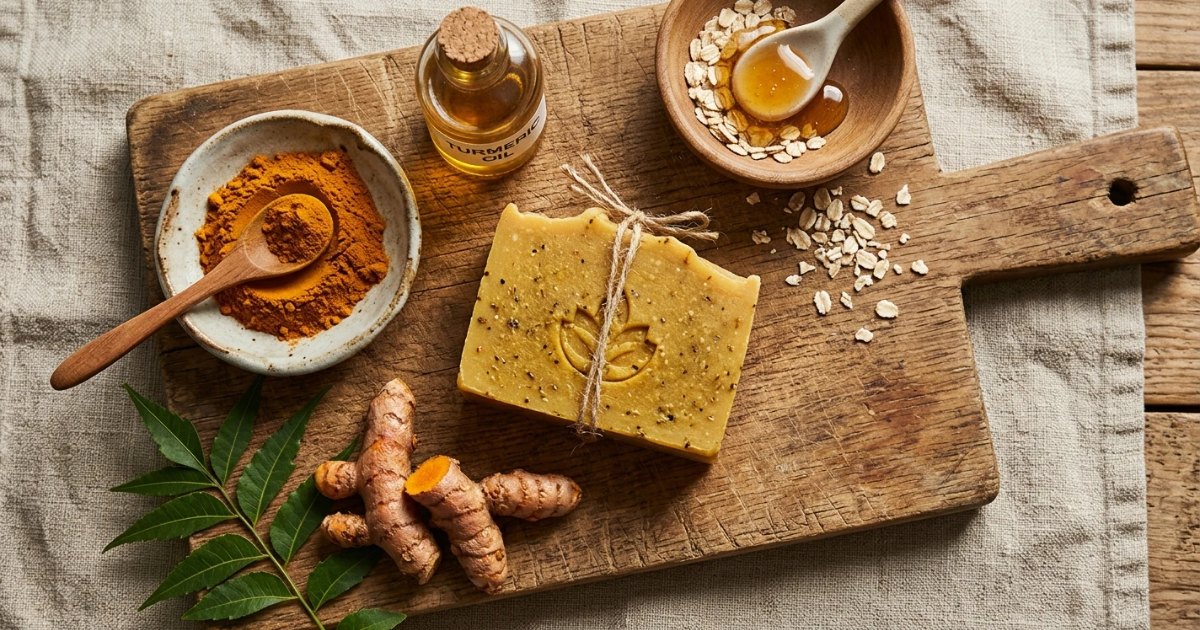
نادرًا ما يأتي صابون الكركم الجيد بمفرده. وعادةً ما سترى:
زيت جوز الهند أو زيت الزيتون كأساس للصابون
العسل أو الجلسرين لمنع البشرة من الشعور بالشد
خشب الصندل أو النيم أو زيت شجرة الشاي لمفعول إضافي مضاد للبكتيريا
دقيق الشوفان أو قشر الجوز المطحون لتقشير لطيف
ما يجب تجنبه على الملصق
تستخدم بعض الأنواع الأرخص صبغة صفراء صناعية لمحاكاة مظهر الكركم، لذا تفحص المكونات. وتجنب أيضًا أي منتج يحتوي على الكبريتات مثل SLS أو العطور الصناعية القوية، لأن ذلك قد يجرّد البشرة من حاجزها الواقي ويلغي معظم السبب الذي دفعك لشراء الصابون من الأساس.
الفوائد الحقيقية لصابون الكركم للبشرة
هنا يصبح الجانب العلمي أكثر إثارة للاهتمام. سأبقي الأمر بسيطًا.
تفتيح البشرة وتوحيد لونها
يثبط الكركمين إنزيم التيروزيناز، وهو الإنزيم الذي تستخدمه بشرتك لإنتاج الميلانين. وكلما قلّ إنتاج الميلانين المفرط، قلت البهتان والبقع غير المتجانسة. وقد جمعت مراجعة نُشرت عام 2018 في Phytotherapy Research عدة دراسات ووجدت تحسنًا ملحوظًا في فرط التصبغ بعد 4 إلى 8 أسابيع من الاستخدام الموضعي المنتظم.
ومن المهم توضيح أمر واحد: سترى كثيرًا عبارة turmeric soap for skin whitening، لكنها لا تبيّض البشرة. بل تساعد على تقليل البهتان والتصبغات الخفيفة. أما لون بشرتك الطبيعي فيبقى كما هو.
مكافحة حب الشباب والبثور
هنا تبدأ الخصائص المضادة للبكتيريا في الكركمين بإظهار فعاليتها لأي شخص يعاني من البثور. إذ يقضي الكركمين بشكل نشط على Cutibacterium acnes، وهي البكتيريا المختبئة داخل المسام المسدودة.
تابعت تجربة سريرية أُجريت عام 2020 ونُشرت في Journal of Cosmetic Dermatology المشاركين الذين استخدموا منظفًا قائمًا على الكركمين مرتين يوميًا. وبعد ستة أسابيع، انخفضت آفات حب الشباب بنحو 32%. قد لا يكون رقمًا إعجازيًا، لكنه كمنظف طبيعي مضاد لحب الشباب يثبت فعاليته بجانب benzoyl peroxide المتوفر دون وصفة طبية مع تهيج أقل بكثير.

تخفيف البقع الداكنة وآثار ما بعد حب الشباب
تلك العلامات البنية أو المحمرة التي تبقى بعد شفاء الحبة أخيرًا؟ هذا هو فرط التصبغ التالي للالتهاب، وهو عنيد. استخدام صابون الكركم للبقع الداكنة ينجح، لكن ببطء. ستحتاج إلى الصبر، والاستخدام المنتظم، وواقي شمس يومي. تجاهل واقي الشمس يعني أنك في الأساس تتراجع عن التقدم الذي أحرزته كل ظهيرة.
تهدئة الاحمرار والتهيج
الكركمين مضاد التهاب حقيقي. وغالبًا ما يذكر الأشخاص الذين يعانون من نوبات متقطعة من الوردية أو من بشرة شديدة التفاعل أن صابون الكركم يهدئ الحالة، بينما يجعلها المنظف العادي أسوأ. إذا كان وجهك يحمر مع أقل تغير في الطقس، فهذا يستحق التجربة.
إبطاء العلامات المبكرة للتقدم في السن
تعمل مضادات الأكسدة على معادلة الجذور الحرة الناتجة عن الأشعة فوق البنفسجية وتلوث المدن. ويتميز الكركم بأنه غني بها. لن يمحو التجاعيد الموجودة بالفعل. لكنه يوفر حماية هادئة من الضرر اليومي الذي يؤدي إلى ظهور تجاعيد جديدة.
تقشير لطيف ومسام أنظف
تساعد القطع التي تحتوي على الشوفان أو قشر الجوز الناعم على إزالة الخلايا الميتة من السطح من دون الإحساس اللاذع لمقشرات المواد الكيميائية. تبدو المسام أصغر لأنها في الواقع أصبحت أنظف، وليس لأن شيئًا سحريًا قام بتصغيرها.
كيفية استخدام صابون الكركم من دون تلطيخ حمامك (أو وجهك)
هذا هو الجزء الذي تتجاوزه معظم المقالات، وهو الجزء الذي ستتمنى لو أنك قرأته أولًا.
قاعدة الـ 60 ثانية
كوّن رغوة، ثم ضعه على بشرة رطبة، واتركه لمدة 30 إلى 60 ثانية، ثم اشطفه جيدًا. إذا تركته مدة أطول، فقد تتعرض لخطر ظهور اصفرار خفيف، خاصة مع درجات البشرة الفاتحة. وستكون منشفة الغسل البيضاء ممتنة لك.
الاستخدام صباحًا أم ليلًا
يعمل الاستخدام المسائي بشكل أفضل لمعظم الأشخاص. فأي لون خفيف يبهت بحلول الصباح، وتحظى بشرتك طوال الليل لامتصاص الفوائد. إذا كانت بشرتك حساسة، فابدأ باستخدامه ثلاث أو أربع مرات أسبوعيًا ثم زد الاستخدام تدريجيًا. أما الاستخدام اليومي منذ اليوم الأول فهو ما يدفع الناس غالبًا إلى الشكوى من الجفاف.
التوافق مع المنتجات الأخرى
يتوافق صابون الكركم بشكل جيد مع سيرومات النياسيناميد، وفيتامين C صباحًا، وواقي الشمس (رجاءً). لا تستخدمه في اليوم نفسه مع الريتينويدات القوية أو مقشرات AHA. فهذه التركيبة طريق سريع إلى الاحمرار والتقشر.
من ينبغي أن يتوخى الحذر
تعرض معظم المقالات صابون الكركم كما لو أنه مناسب للجميع. لكنه ليس كذلك تمامًا.
اختبره على منطقة صغيرة أولًا
افرك قليلًا من الرغوة على الجزء الداخلي من المرفق أو المعصم، واتركه لمدة 24 ساعة، ثم راقب ما يحدث. لا يتطلب الأمر أي جهد يُذكر، لكنه يحميك من رد فعل محتمل على وجهك.
أنواع البشرة التي يجب أن تتدرج ببطء
قد تجد البشرة شديدة الجفاف أو المعرضة للإكزيما أن بعض أنواع الصابون ذات تنظيف قوي بعض الشيء. ومن المهم أيضًا الإشارة إلى أن الكركمين له تأثيرات خفيفة مضادة للتخثر. والامتصاص عبر الصابون محدود للغاية، ولكن إذا كنت تتناول مميعات الدم مثل warfarin، فاذكر ذلك لطبيبك قبل إضافة الكركم إلى روتينك اليومي.
خرافة الاصفرار
يشعر الناس بالقلق من هذا الأمر باستمرار، لكنه نادرًا ما يكون مشكلة حقيقية. أي لون مؤقت يزول بالماء. وإذا بقي أثر خفيف، فإن قطعة قطن مع ماء ميسيلار أو حتى رشة من الحليب تزيله خلال ثوانٍ. لا يحدث تصبغ دائم مع صابون مُصاغ بشكل صحيح.
نتائج واقعية: ما الذي يبلّغ عنه المستخدمون
كفى حديثًا عن العلم. ماذا يقول المشترون الفعليون؟
لمحة عن تقييمات المستهلكين
اعتبارًا من منتصف 2026، تتراوح تقييمات أفضل أنواع صابون الكركم على Amazon وWalmart وNykaa (مع تصدّر Kojie San وVaadi Herbals وMedimix Ayurvedic بشكل متكرر) بين 4.2 و4.5 نجوم عبر عشرات الآلاف من المراجعات. وهذه إشارة قوية. فالمنتجات التي تعاني من مشكلات حقيقية نادرًا ما تحافظ على تقييم أعلى من 4.0 مع هذا الحجم من المراجعات.
السمات الشائعة في المراجعات الإيجابية
يذكر الناس تحسنًا في إشراقة البشرة خلال أسبوعين إلى ثلاثة أسابيع. عدد أقل من البثور. ملمس أكثر نعومة. كما يقول عدد جيد منهم إنهم توقفوا تمامًا عن استخدام غسول الوجه المعتاد لديهم.
الشكاوى الشائعة
أبرز الملاحظات السلبية: بعض القطع تبدو مُجففة للبشرة إذا استُخدمت مرتين يوميًا منذ البداية، والرائحة الترابية لا تناسب الجميع، ونعم، تلتقط أقمشة الغسل الفاتحة اللون أحيانًا بعض التصبغ. لا شيء يدعو للقلق الكبير، لكن من الجيد معرفته.
كيفية اختيار صابون كركم جيد
ليست كل قطع الصابون الصفراء متساوية.
تحقق من ترتيب المكونات
يجب أن يظهر الكركم أو curcuma longa أو curcumin في النصف الأول من قائمة المكونات. إذا كان في آخر القائمة، خلف خمس إضافات صناعية، فأنت في الغالب تدفع مقابل التغليف.
المعالجة الباردة مقابل القطع التجارية
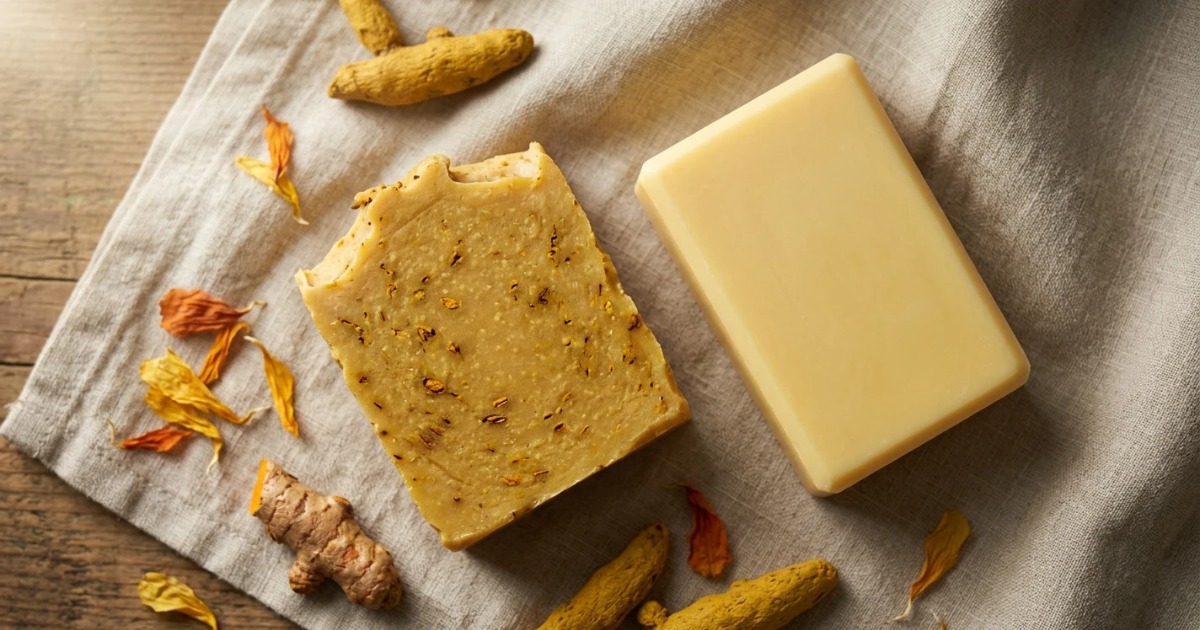
يحتفظ الصابون اليدوي المُعالَج على البارد بقدر أكبر من curcumin النشط لأنه يُصنع في درجات حرارة منخفضة. أما القطع المُنتجة بكميات كبيرة فتمر بمعالجة حرارية تؤدي إلى تدهور جزء من هذا المركب. وتكون القطع اليدوية أعلى سعرًا، لكن فرق الفعالية حقيقي.
النطاق السعري المتوقع
يتراوح من $3 إلى $15 للقطعة الواحدة في 2026. لا يعني السعر الأعلى دائمًا تركيبة أفضل. فقد تتفوق قطعة بسعر $6 ومصاغة جيدًا على علامة تجارية بوتيكية بسعر $14 ذات محتوى أضعف من الكركم، لذا اقرأ الملصق قبل النظر إلى السعر.
الخلاصة النهائية
صابون الكركم ليس قطعة سحرية، وأي شخص يروّج له على هذا الأساس يبالغ في الحقيقة. وما هو عليه فعلاً: أحد الإضافات الأفضل من حيث القيمة إلى روتين عناية بسيط بالبشرة عندما تكون التركيبة صادقة وتظل توقعاتك واقعية.
اشترِ قطعة جيدة الصنع، واستخدمها بانتظام لمدة شهر، وضع واقيًا من الشمس، ومن المرجح أن تلاحظ التغيرات التي يواصل الناس الحديث عنها. تجاهل أيًّا من هذه الخطوات، وستعود للتساؤل عن سبب كل هذه الضجة. هذا هو الأمر ببساطة.
الأسئلة الشائعة
س: هل يمكنني استخدام صابون الكركم يوميًا؟
ج: نعم، معظم الناس يمكنهم ذلك. أما البشرة الحساسة أو الجافة فينبغي أن تبدأ باستخدامه ثلاث أو أربع مرات أسبوعيًا ثم تزيد تدريجيًا من هناك. استمع إلى بشرتك، لا إلى ادعاءات التسويق.
س: كم من الوقت قبل أن أرى النتائج؟
ج: تظهر البشرة الأكثر إشراقًا ونقاءً عادةً خلال أسبوعين إلى ثلاثة أسابيع. ويستغرق تلاشي البقع الداكنة وآثار حب الشباب القديمة وقتًا أطول، حوالي 6 إلى 8 أسابيع من الاستخدام المنتظم مع واقي الشمس خلال النهار.
س: هل سيصبغ بشرتي بشكل دائم؟
ج: لا. أي لون أصفر يكون مؤقتًا ويزول بالماء أو بقليل من ماء ميسيلار. ولا يُعد التصبغ الدائم خطرًا حقيقيًا مع صابون مُصنَّع بشكل جيد.
س: هل صابون الكركم آمن أثناء الحمل؟
ج: يُعتبر الاستخدام الموضعي آمنًا بشكل عام. ومع ذلك، من الحكمة استشارة طبيبك، خاصةً خلال الثلث الأول من الحمل، قبل إضافة أي شيء جديد.
س: هل يمكن أن يحل محل دواء حب الشباب الخاص بي؟
ج: لا. يعمل صابون الكركم بشكل جيد كمنظف داعم، ولكن إذا كنت تستخدم علاجًا بوصفة طبية، فلا تتوقف عنه دون توجيه من طبيب الجلدية الخاص بك.
س: هل يفيد في حب الشباب في الجسم واسمرار تحت الإبطين؟
ج: نعم، يفيد. يستخدمه كثير من الأشخاص على الظهر والصدر ومنطقة تحت الإبطين مع نتائج جيدة خلال بضعة أشهر. وتنطبق القواعد نفسها: الاستمرارية والصبر.