
أنت تعرف هذا الشعور. لقد تجاوز الوقت منتصف الليل، وقلبت الوسادة إلى جانبها البارد مرتين، لكن عقلك يرفض أن يهدأ. قد يبدو اللجوء إلى حبوب منومة أمرًا مبالغًا فيه، لكنك تريد شيئًا.
هكذا ينتهي الأمر بالكثير من الناس إلى صنع بخاخ الوسادة الخاص بهم. إنه رخيص، ورائحته لطيفة، وهناك شعور هادئ بالرضا عند رجّ زجاجة صغيرة من الهدوء بيديك. يقدّم لك هذا الدليل وصفة مجرّبة، لكنه يشرح، والأهم من ذلك، "السبب" وراء كل خطوة — فلا حاجة إلى شهادة في الكيمياء، ولا إلى معدات متطورة تتجاوز زجاجة بخاخ.
لماذا يساعدك اللافندر والبابونج فعلًا على النوم
قبل أن نبدأ بقياس أي شيء، من المفيد أن نفهم ما الذي تتعامل معه فعليًا. هذا ليس سحرًا — لكنه ليس تأثيرًا وهميًا أيضًا.
ما الذي تقوله الأبحاث عن اللافندر للراحة
يُعدّ اللافندر من أكثر الزيوت العطرية دراسةً عندما يتعلق الأمر بالنوم والاسترخاء. ويُعتقد أن مركّبه النشط الرئيسي، اللينالول، يتمتع بتأثير مهدئ خفيف. وقد أشارت عدة تجارب سريرية صغيرة إلى أن استنشاق اللافندر قبل النوم يمكن أن يحسّن جودة النوم المُدركة، رغم أن معظم الباحثين يحرصون على وصفه بأنه داعِم وليس علاجًا.
يكمن سبب تأثيره المباشر إلى حد كبير في علم التشريح. تنتقل جزيئات الرائحة إلى البصلة الشمية، التي تتصل مباشرة بالجهاز الحوفي — وهو الجزء من الدماغ المرتبط بالعاطفة والذاكرة. ولهذا يمكن لرائحة ما أن تغيّر مزاجك شبه فورًا، من دون أي تفكير.
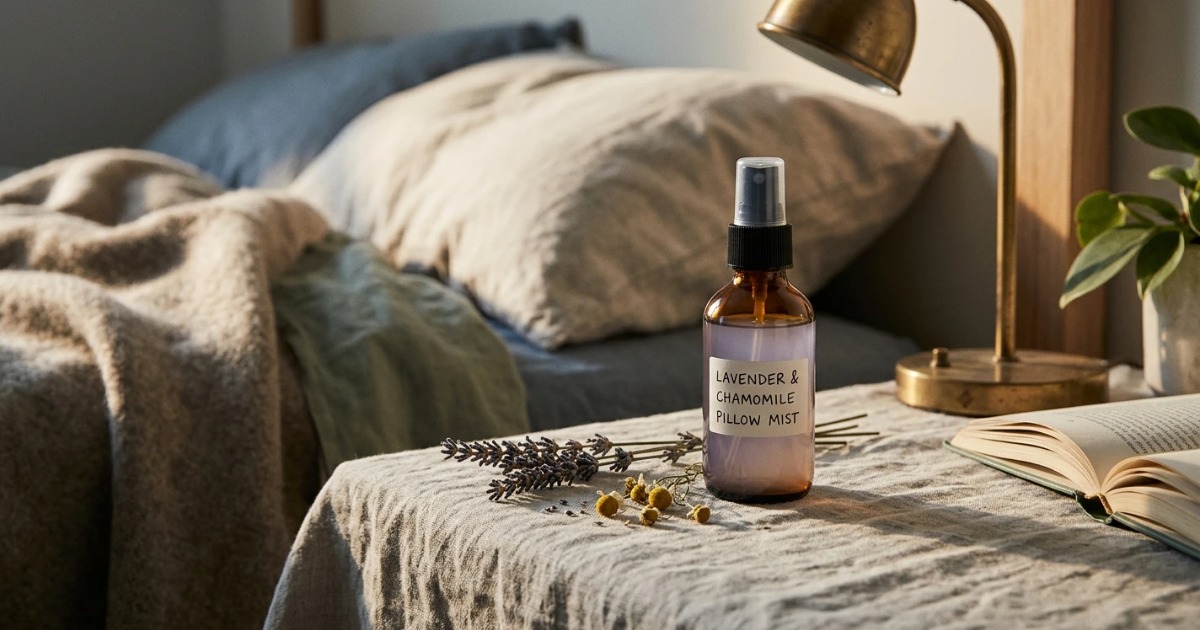
الدور المهدئ للبابونج
كان البابونج جزءًا من طقوس ما قبل النوم لقرون، قبل وقت طويل من قياس مركّباته في المختبر. ورائحته أكثر نعومة من اللافندر — دافئة وتشبه التفاح بدرجة خفيفة — ولهذا ينسجم العنصران معًا بشكل رائع. يتولى اللافندر الدور الرئيسي، بينما يخفف البابونج حدّة الرائحة.
هناك أمر يسبب بعض الالتباس: نوعان شائعان من زيت البابونج. يتمتع البابونج الروماني برائحة أكثر حلاوة، وهو الخيار الأكثر شيوعًا في خلطات الاسترخاء. أما البابونج الألماني فرائحته أعمق وتميل قليلًا إلى الطابع العشبي، وله لون أزرق طبيعي خفيف ناتج عن مركّب يُسمى الكامازولين. وبالنسبة إلى بخاخ الوسادة، يكون البابونج الروماني عادةً الخيار الأسهل استخدامًا.
لماذا اختيار البخاخ بدلًا من موزّع الروائح أو الشمعة
يمنحك البخاخ تحكمًا لا يوفره موزّع الروائح. فأنت تحدد بالضبط كمية العطر التي تصل إلى الوسادة، ويمكنك حمله في حقيبة السفر دون القلق بشأن الانسكابات أو اللهب المكشوف.
وهناك أيضًا عامل التلامس المباشر. فالشمعة تنشر العطر في الغرفة، بينما يستقر الرذاذ في القماش أسفل أنفك مباشرةً. وبالنسبة إلى كثير من الأشخاص، تكمن الفكرة الأساسية كلها في هذا القرب.
ما ستحتاج إليه: المكونات والأدوات
إليك القائمة الكاملة، إلى جانب سبب استحقاق كل عنصر لمكانه. وعادةً ما يظهر الاستغناء عن أي عنصر منها لاحقًا في صورة بخاخ عكر أو ضعيف أو قصير الأمد.
شرح المكونات الأساسية
الماء المقطر مقابل ماء الصنبور
استخدم الماء المقطر. يحتوي ماء الصنبور على معادن وكائنات دقيقة بكميات ضئيلة تقلل من مدة صلاحية الرذاذ، وقد تجعله يبدو عكرًا. الماء المقطر غير مكلف ويمنحك نتيجة أنقى وأطول أمدًا.
بندق الساحرة أو الكحول (المستحلب)
لا يختلط الزيت بالماء — وهذا ما تعرفه بالفعل من تتبيلة السلطة. الزيوت العطرية هي زيوت، لذا تحتاج إلى مادة تساعدها على الانتشار في الماء بدلًا من أن تطفو على سطحه.
يُعد بندق الساحرة الخيار اللطيف ذي النسبة المنخفضة من الكحول، ويفضله معظم الناس. كما يعمل الفودكا عالي التركيز أو كحول العطور جيدًا، ويساعد الرذاذ على الجفاف بسرعة أكبر. وإذا كنت ترغب في الاستغناء عن الكحول تمامًا، فإن كمية صغيرة جدًا من مادة مُذيبة مثل polysorbate 20 تؤدي الغرض نفسه، رغم أنها خيار أكثر تقدمًا قليلًا.
اختيار الزيوت العطرية عالية الجودة
هنا تكمن أهمية الجودة فعلًا. ابحث عن زجاجات تحمل الاسم اللاتيني للنبات (Lavandula angustifolia، على سبيل المثال)، وبلد المنشأ، ويفضل أن تتضمن أيضًا مرجعًا لاختبار الدفعة أو اختبار GC\/MS. ينشر الموردون الموثوقون هذه التفاصيل.
تجنب أي منتج يحمل ببساطة اسم "زيت عطري". فهذه خلطات عطرية اصطناعية — ستفوح منها رائحة لطيفة، لكنها لا تتمتع بالخصائص نفسها، وقد يسبب بعضها تهيجًا للبشرة الحساسة. وتبلغ النسبة التقريبية المبدئية نحو 10–15 قطرة إجمالًا من الزيت العطري لكل أونصة من السائل.
إضافات اختيارية لإضفاء لمسة شخصية
بعد إعداد المزيج الأساسي عدة مرات، ابدأ بالتجربة. أضف قطرة أو قطرتين من الفانيليا لإضفاء حلاوة دافئة ومريحة. ويمنح خشب الأرز عمقًا خشبيًا باعثًا على التوازن، ويجده كثيرون مهدئًا للغاية. أما لمسة من البرغموت فتضفي على المزيج بأكمله نغمة حمضية ناعمة. أضف هذه المكونات باعتدال — فقد تغيّر قطرة واحدة الطابع الكامل للمزيج.
أهمية اختيار الزجاجة المناسبة
اختر زجاجة من الزجاج الكهرماني أو الأزرق الكوبالتي مزودة برشاش ينتج رذاذًا ناعمًا. يحمي الزجاج الداكن الزيوت من الضوء الذي يؤدي إلى تدهورها بمرور الوقت. كما يضمن الرشاش الناعم تغطية متساوية بدلًا من ترك بقعة مبللة على وسادتك — فلا أحد يرغب في النوم على بقعة رطبة.
وصفة رذاذ الوسادة باللافندر والبابونج خطوة بخطوة
إليك الوصفة الفعلية. إنها مناسبة للمبتدئين، وقد أبقيت الكمية صغيرة حتى تتمكن من تعديلها قبل الالتزام بتحضير كمية كبيرة.
القياسات الدقيقة (كمية صغيرة)
- 3 ملاعق كبيرة (حوالي 45 ml) من الماء المقطر
- ملعقة كبيرة واحدة (حوالي 15 ml) من بندق الساحرة أو الفودكا عالية التركيز
- 12 قطرة من زيت اللافندر العطري
- 6 قطرات من زيت البابونج الروماني العطري
تنتج هذه الكمية زجاجة بحجم يقارب 2 أونصة. ولزيادة الكمية، حافظ على النسب نفسها — ضاعف أو ضاعف ثلاث مرات جميع المكونات معًا، بما في ذلك الزيوت.
الخطوة 1: جهّز الزجاجة وعقّمها
اغسل الزجاجة ورشاشها بالماء الساخن والصابون، ثم اتركهما حتى يجفا تمامًا. فأي بقايا أو رطوبة متبقية تشجع نمو البكتيريا، وهذا أسرع ما قد يفسد دفعة طازجة.
الخطوة 2: اخلط بندق الساحرة والزيوت
اسكب بندق الساحرة في الزجاجة أولًا، ثم أضف قطرات الزيوت العطرية. حرّك المزيج برفق. يتيح ذلك للزيوت أن تمتزج مع بندق الساحرة قبل إضافة الماء — وهذا هو السبب في أن رذاذك لن ينفصل بدرجة كبيرة لاحقًا.
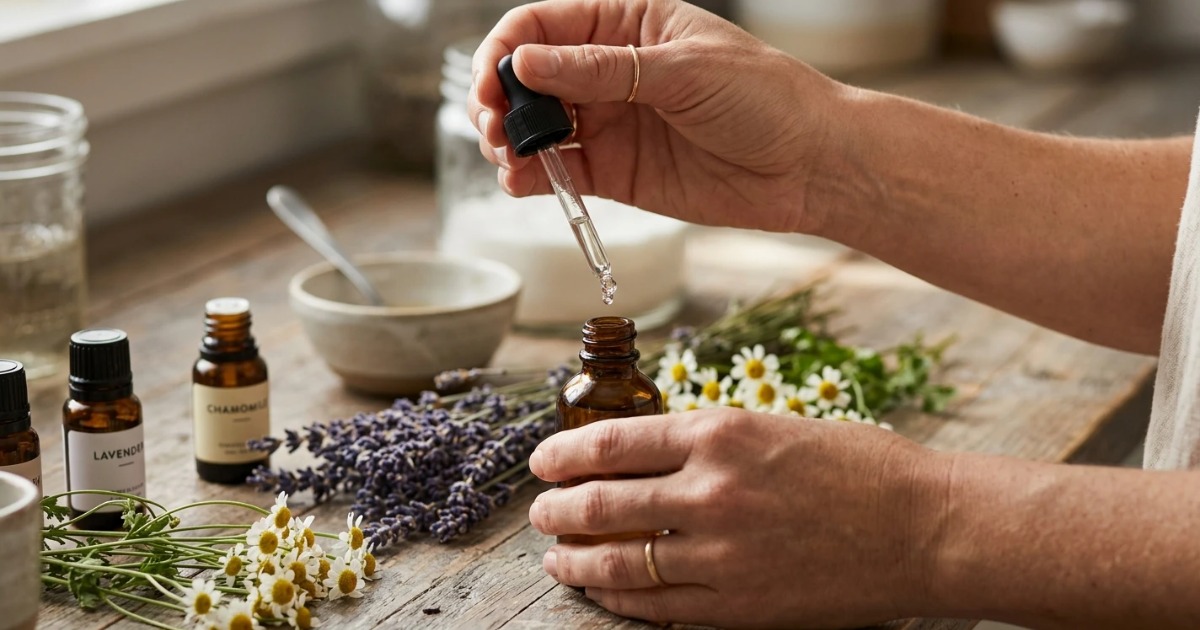
الخطوة 3: أضف الماء ورجّ الزجاجة
أكمل الملء بالماء المقطر، وأحكم إغلاق الغطاء، ورجّ العبوة جيدًا لمدة 20 ثانية. ستلاحظ أنها تصبح عكرة قليلًا مع تشتت المكونات. وهذا هو بالضبط ما ينبغي أن يحدث.
الخطوة 4: وضع الملصق وترك الخليط ليستقر
اكتب التاريخ والمحتويات على العبوة — صدّقني، ستنسى ذلك خلافًا لذلك. اتركها لمدة يوم تقريبًا حتى تستقر الرائحة وتصبح أكثر نعومة قبل أول استخدام.
كيفية ضبط قوة الرائحة حسب تفضيلاتك
إذا كنت تنام نومًا خفيفًا أو حساسًا للروائح، فاخفض الكمية إلى 8 من اللافندر و4 من البابونج. هل تريد رائحة أقوى؟ ارفع الكمية تدريجيًا إلى 18 و9. غيّر متغيرًا واحدًا في كل مرة حتى تتمكن فعلًا من معرفة ما أحدث الفرق.
كيفية استخدام رذاذ النوم المصنوع منزليًا للحصول على أفضل النتائج
صنع الرذاذ هو نصف المهمة. أما طريقة استخدامه فهي التي تحدد مدى فعاليته فعلًا.
المسافة المناسبة للرش ووقت استخدامه
أمسك العبوة على بُعد يتراوح بين 8 و12 بوصة من وسادتك، ورشّ رشتين أو ثلاثًا بخفة. افعل ذلك قبل الاستلقاء بخمس إلى عشر دقائق، حتى يجف القماش قليلًا وتتسنى للرائحة فرصة للانتشار بدلًا من أن تصلك كرذاذ رطب كثيف.
ما وراء الوسادة: استخدامات أخرى
لا تقتصر على غطاء الوسادة. يساعد الرش الخفيف على ملاءاتك أو قناع النوم أو داخل درج ملابس النوم على إطالة التأثير. ويمكنك أيضًا رش الغرفة برذاذ خفيف، مع الحرص على إبعاده عن طبقات تشطيب الأثاث الخشبي.
بناء طقوس الاسترخاء قبل النوم
تعمل الرائحة بأفضل شكل باعتبارها جزءًا من روتين أكبر. خفّف الإضاءة، وضع الهاتف في غرفة أخرى، ورشّ الوسادة — ومع مرور الوقت، يبدأ دماغك في تفسير هذا التسلسل على أنه "حان وقت النوم." وهنا تكمن الفائدة الحقيقية لهذا الارتباط.
نصائح التخزين ومدة الصلاحية والسلامة
تتجاهل معظم المنشورات التي تتناول الوصفات المنزلية هذه الجزئية. ولا ينبغي لها ذلك.
ما مدة بقاء الرذاذ؟
عادةً ما يحتفظ الرذاذ المنزلي المصنوع من الماء بفعاليته لمدة تتراوح بين شهر وثلاثة أشهر. ويؤدي تخزينه في الثلاجة إلى إطالة هذه المدة، كما يضيف رذاذًا باردًا ومنعشًا في الصيف. إذا بدأت رائحته تصبح غير مستساغة، أو أصبح عكرًا بشكل غير معتاد، أو ظهرت فيه أي جزيئات طافية، فتخلّص منه وحضّر دفعة جديدة.
اختبار الرقعة والحساسيات
الزيوت العطرية قوية التركيز. قبل رش أي شيء يلامس بشرتك بانتظام، رشّ القليل على قطعة صغيرة من القماش وتحقق من رد فعل جسمك طوال الليل. أبقِ الرذاذ بعيدًا عن عينيك، وإذا كنت تعاني من الربو أو حساسيات الجهاز التنفسي، فاستخدمه باعتدال — إذ يمكن للروائح القوية أن تسبب التهيّج.
هل استخدامه آمن بالقرب من الأطفال والحيوانات الأليفة؟
توخَّ الحذر هنا. فبعض الزيوت العطرية المناسبة للبالغين لا يُنصح باستخدامها بالقرب من الرضّع أو الأطفال الصغار أو الحيوانات الأليفة — فالقطط على وجه الخصوص تستقلب بعض المركبات بشكل ضعيف. إذا كنت ترشّ في مساحة مشتركة يوجد فيها أطفال صغار أو حيوانات، فاستشر طبيب أطفال أو طبيبًا بيطريًا أولًا. وعند الشك، اقصر استخدامه على وسادتك الخاصة.
أخطاء شائعة يجب تجنّبها
- رذاذ عكر: يحدث ذلك عادةً بسبب استخدام ماء الصنبور أو كمية قليلة جدًا من المستحلب. استبدله بالماء المقطر وأضف مقدارًا صغيرًا إضافيًا من بندق الساحرة.
- رائحة ضعيفة: إما أنك استخدمت كمية أقل من اللازم من الزيوت أو أن الدفعة قديمة جدًا. رجّ العبوة جيدًا قبل كل استخدام، إذ تترسب الرائحة.
- الانفصال: من الطبيعي حدوث قدر بسيط منه — ما عليك سوى الرجّ. أما الانفصال المستمر والشديد فيعني أن كمية بندق الساحرة غير كافية لربط الزيوت.
- تلطّخ الأقمشة الحساسة: قد تتسبب الزيوت في ظهور بقع على الحرير وبعض الأقمشة الكتانية المصبوغة. اختبر المنتج دائمًا على زاوية غير ظاهرة أولًا.
التفكير فيما يتجاوز التصنيع المنزلي: متى يكون الخيار الجاهز أو المخصص مناسبًا
إن إعداد الرذاذ بنفسك أمر مُرضٍ حقًا للاستخدام الشخصي. لكن هناك نقطة يبدأ عندها التصنيع المنزلي بالعمل ضدك — وعادةً ما تكون عندما تحتاج إلى الاتساق، أو كميات أكبر، أو منتج يمكنك تقديمه للآخرين أو بيعه بثقة.
تختلف الخلطات المعدّة يدويًا من زجاجة إلى أخرى، كما أن مدة صلاحيتها القصيرة تصبح مصدر إزعاج حقيقي عند زيادة الإنتاج. في تلك المرحلة، تثبت قيمة الرذاذات المصممة باحتراف، بفضل التركيبات المستقرة، واختبارات مدة الصلاحية، والرائحة المتسقة والقابلة للتكرار في كل مرة.
مقارنة سريعة: التصنيع المنزلي مقابل التصنيع الاحترافي
يتفوق التصنيع المنزلي من حيث التكلفة الأولية ومتعة التخصيص. أما الخيارات المصنّعة باحتراف فتتفوق من حيث الاتساق، وثبات الصلاحية، واختبارات السلامة. وبالنسبة إلى أي شخص يعمل على تطوير مجموعة نوم بعلامة تجارية خاصة أو يطلب كميات كبيرة، فإن مصنعين مثل Boymay — بخبرة في OEM/ODM منذ 1995، وتركيبات نباتية وخالية من القسوة على الحيوانات، وتطوير عطور مخصصة، وشهادات GMP وISO وFDA — يزيلون الحاجة إلى التجربة والخطأ. ومع حد أدنى للطلب يبلغ 1,000 وحدة، وعينات جاهزة خلال نحو 7–14 يومًا، يُعد هذا المسار عمليًا بمجرد تجاوز احتياجاتك إمكانات مطبخك.
الأسئلة الشائعة
س: هل يمكنني استخدام اللافندر المجفف بدلًا من الزيت العطري؟
ج: يمكنك إعداد ماء منقوع باللافندر من خلال نقع البراعم المجففة، لكن الرائحة ستكون أضعف بكثير ولن تدوم طويلًا. كما أن النباتات المجففة تضيف مواد نباتية تفسد بسرعة أكبر. وللحصول على رذاذ عطري يدوم طويلًا، تُعد الزيوت العطرية الخيار الأفضل.
س: لماذا ينفصل رذاذ الوسادة، وهل يمثل ذلك مشكلة؟
ج: يُعد حدوث قدر من الانفصال أمرًا طبيعيًا تمامًا — فالزيت والماء ينفصلان عن بعضهما طبيعيًا. ويكفي رجّ العبوة سريعًا قبل كل استخدام. وإذا حدث انفصال شديد ولم يمتزج المزيج مجددًا، فأضف كمية أكبر قليلًا من بندق الساحرة إلى الدفعة التالية.
س: هل سيتسبب رذاذ اللافندر والبابونج في تلطيخ غطاء وسادتي؟
ج: على الأقمشة القطنية العادية، نادرًا ما يحدث ذلك، ولا سيما عند استخدام رذاذ ناعم. وقد تظهر بقع زيتية على الأقمشة الرقيقة مثل الحرير أو أقمشة الكتان المصبوغة بألوان زاهية، لذا اختبره على منطقة مخفية أولًا، ورشّه من مسافة مناسبة.
س: كم قطرة من الزيت العطري ينبغي أن أستخدم لكل أونصة؟
ج: يتراوح المقدار الآمن والفعّال تقريبًا بين 10–15 قطرة من الزيت العطري لكل أونصة من السائل. ابدأ بالحد الأدنى — إذ يمكنك دائمًا إضافة المزيد، لكن لا يمكنك سحبه بعد إضافته.
س: هل يمكنني تحضير هذا الرذاذ من دون كحول أو بندق الساحرة؟
ج: نعم، مع أن الزيوت لن تتوزع بالتساوي. ويُعد عامل إذابة مثل polysorbate 20 خيارًا فعّالًا كمادة رابطة خالية من الكحول. ومن دون أي مستحلب، ما عليك سوى رجّ العبوة بقوة في كل مرة، وتوقّع حدوث انفصال أكبر.
س: هل استخدام رذاذ الوسادة المصنوع منزليًا كل ليلة آمن؟
ج: بالنسبة إلى معظم البالغين، لا بأس باستخدام رذاذ مخفف جيدًا كل ليلة. إذا لاحظت أي تهيج في الجلد أو صداع أو انزعاجًا تنفسيًا، فقلّل وتيرة الاستخدام أو خفّض تركيز الزيت.
س: ما أفضل علامة تجارية للزيوت العطرية للمبتدئين؟
ج: بدلًا من البحث عن علامة تجارية واحدة بعينها، ابحث عن مورّدين ينشرون الاسم اللاتيني للنبات، وبلد المنشأ، ونتائج اختبار GC\/MS من جهة خارجية. وتُعد مؤشرات الشفافية هذه أهم بكثير من العبارات التسويقية مثل "الدرجة العلاجية".