
تمد يدك إلى الجزء الخلفي من خزانة الحمام، وتخرج برطمانًا من أملاح الاستحمام كنت قد نسيته، ثم تتوقف للحظة. هل لا تزال هذه المادة صالحة للاستخدام؟ سؤال وجيه — والمثير للدهشة أن قلة قليلة فقط تقدم إجابة مباشرة عنه.
دعنا نصحح ذلك.
الإجابة المختصرة: نعم، لكن الأمر معقد
أملاح الاستحمام تنتهي صلاحيتها — إلى حد ما. فالملح نفسه في الأساس لا يفنى أبدًا (وسنوضح ذلك بعد قليل)، لكن كل ما هو ممزوج داخل البرطمان له عمر أقصر بكثير. لذا فإن ما إذا كانت أملاح الاستحمام لديك "لا تزال جيدة" يعتمد حقًا على ما يوجد في تركيبتها.
لماذا لا تنتهي صلاحية الملح النقي فعليًا "أبدًا"
كلوريد الصوديوم، وكبريتات المغنيسيوم (ملح Epsom)، وملح الهيمالايا الوردي هي مركبات معدنية مستقرة. فهي لا تتعفن. ولا تُغذي البكتيريا بمفردها. وإذا تُركت وحدها في وعاء جاف، فمن المحتمل أن تدوم أكثر من معظمنا.
ولهذا السبب لا يزال علماء الآثار يعثرون على ملح صالح للأكل في المقابر القديمة. مدهش، أليس كذلك؟
لكن أملاح الاستحمام الخاصة بك ليست مجرد ملح
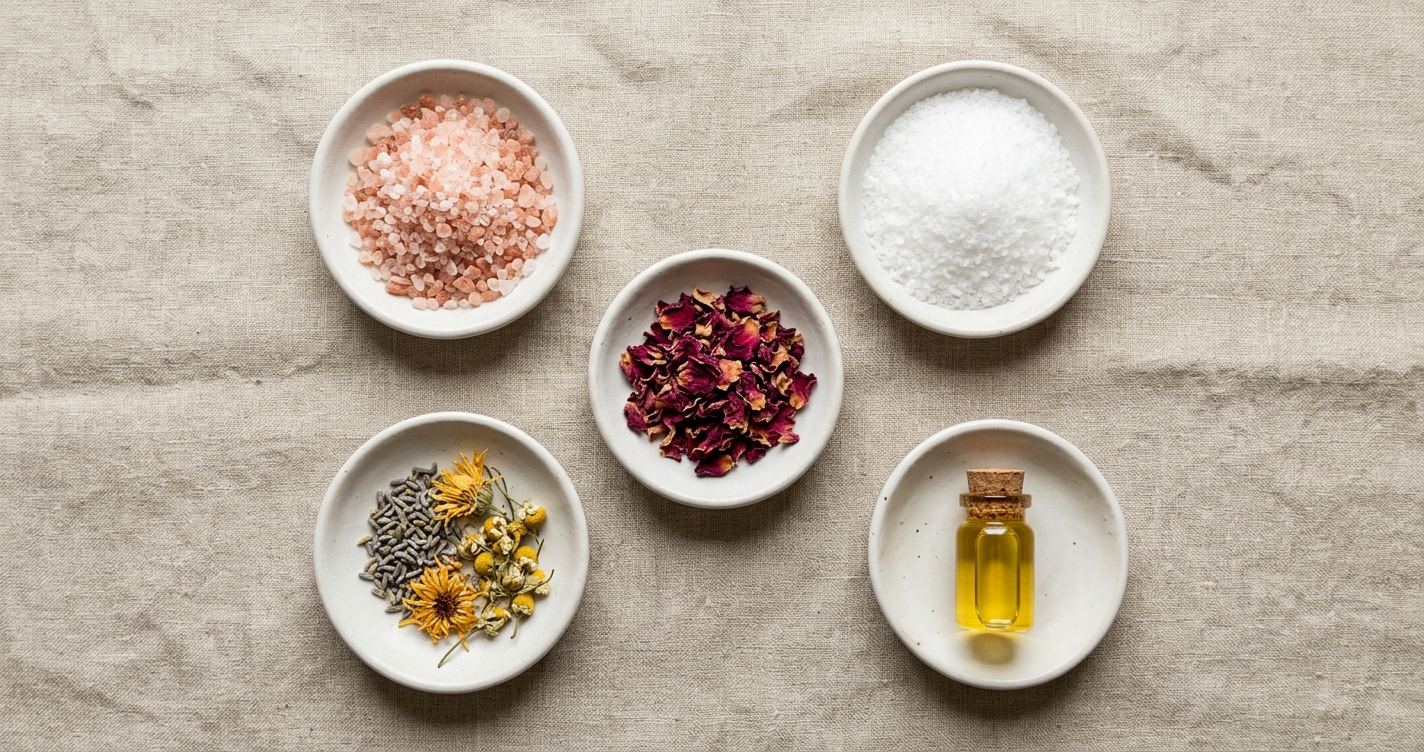
إليك الجانب المهم. فأملاح الاستحمام الحديثة تكاد دائمًا تأتي ممزوجة بالزيوت العطرية، والزهور المجففة، والعطور، والملونات، والزيوت المرطبة، أو المستخلصات النباتية. وهذه هي المكونات التي تتقادم — وأحيانًا بشكل سيئ. فبراعم اللافندر تكتسب رائحة عفنة. ويتزنخ زيت اللوز الحلو. وتفقد العطور الصناعية حدتها.
لذلك، عندما نتحدث عن مدة صلاحية أملاح الاستحمام، فنحن في الواقع نتحدث عن مدة صلاحية المكوّن الأضعف في الخليط.
إذًا، ما مدة صلاحية أملاح الاستحمام؟
إليك التوضيح العملي الذي جئت من أجله بالفعل.
أملاح الاستحمام الجاهزة من المتاجر
تدوم معظم العلامات التجارية حوالي 1 إلى 3 سنوات وهي غير مفتوحة، ونحو 6 إلى 12 شهرًا بعد فتح العبوة. تحقق من الملصق — فغالبًا ما سترى تاريخ "يفضل الاستخدام قبل" أو رمز العبوة المفتوحة الصغير مع شيء مثل "12M" أو "24M" بداخله. وهذا هو PAO (الفترة بعد الفتح)، ويُعد دليلًا جيدًا.
أملاح الاستحمام المنزلية أو المصنوعة يدويًا
هذه حالة مختلفة تمامًا. فبدون المواد الحافظة التجارية، تبقى الخلطات المنزلية طازجة عادةً لمدة 3 إلى 6 أشهر. وإذا أضفت زيوتًا حاملة مثل الجوجوبا أو جوز الهند، فتوقع المدة الأقصر — إذ يمكن لهذه الدهون أن تتزنخ بسرعة أكبر مما قد تتوقع، خاصة في حمام دافئ.
أملاح Epsom (عادية، بدون إضافات)
عمليًا غير محددة المدة. أبقِها جافة وستبقى بحالة جيدة لسنوات. ستجد غالبًا تاريخًا لمدة 3 سنوات مطبوعًا على العبوة — وهذا أقرب إلى إجراء تنظيمي مرتبط بالتغليف منه إلى تاريخ انتهاء فعلي للملح الموجود بداخلها.
خلطات فاخرة أو حرفية
غالبًا ما تدوم العلامات التجارية المصنوعة يدويًا وعلى دفعات صغيرة من 6 إلى 12 شهرًا. هذه هي المقايضة عند الاستغناء عن المواد الحافظة الصناعية. عبارة "طبيعي بالكامل" لا تعني "يدوم إلى الأبد" — بل تعني عادةً العكس.
علامات تدل على أن أملاح الاستحمام قد فسدت
لا تبالغ في التفكير في الأمر. أنفك وعيناك سيخبرانك بمعظم ما تحتاج إلى معرفته.
اختبار الرائحة
هذه هي أفضل أداة لديك. إذا كانت أملاح اللافندر لديك تفوح منها رائحة أقرب إلى تتبيلة سلطة قديمة منها إلى السبا، فهذا يعني أن الزيوت قد تأكسدت. الروائح الزنخة أو الحامضة أو ببساطة "غير الطبيعية" تعني أن الوقت قد حان للتخلص منها.
التكتل والتصلب
القليل من التكتل يكون عادةً بسبب الرطوبة — مزعج لكنه غير خطير. أما إذا تحولت العبوة بالكامل إلى كتلة واحدة صلبة، فمن المرجح أن الرطوبة قد تسربت إليها وأضعفت فعالية أي مكونات مضافة.
تغيرات اللون
هل تحول لون Pink Himalayan إلى بيج باهت؟ وهل تحولت المكونات النباتية إلى اللون البني؟ وهل ظهرت بقع داكنة حول تجمعات الزيوت؟ بعض تغير اللون يكون تجميليًا وغير ضار. لكن تغير اللون الواضح — خاصةً عندما يكون غير متساوٍ — يشير عادةً إلى أن شيئًا ما يتأكسد في الداخل.
اختلالات غير طبيعية في القوام
مرّر أصابعك داخل العبوة. إذا شعرت بطبقة زيتية، أو بقايا لزجة، أو بأي ملمس مخاطي بشكل عام، فهذا يعني أن الدهون والزيوت قد تحللت. تجنّب استخدام هذا الحمّام.
عفن أو زغب
نادر، لكنه يحدث — خاصةً مع الخلطات النباتية الثقيلة المخزنة في حمّام مليء بالبخار. إذا رأيت زغبًا، فتخلّص من العبوة بالكامل. لا نقاش ولا محاولات للإنقاذ.
ماذا يحدث إذا استخدمت أملاح استحمام منتهية الصلاحية؟
دعنا لا نبالغ في الأمر. في معظم الحالات، استخدام أملاح الاستحمام بعد تجاوزها ذروة جودتها بقليل ليس خطيرًا — بل مجرد تجربة مخيبة للآمال.
أفضل سيناريو: لا شيء يُذكر
ستحصل على نقع باهت. بالكاد تُلاحظ الرائحة، وتذوب الأملاح بشكل غير متساوٍ، ويبدو كامل الشعور بالتجربة فاتراً. ممل، لكنه غير ضار.
السيناريو الواقعي: تهيّج الجلد
هنا تكمن الأهمية. الزيوت العطرية المتأكسدة تُعدّ من المسببات المعروفة لالتهاب الجلد التماسي — وقد نبّه أطباء الجلد إلى ذلك منذ سنوات. إذا كانت بشرتك حساسة، أو كنت تعاني من الإكزيما، أو لديك تاريخ من الحساسية تجاه العطور، فإن الأملاح منتهية الصلاحية تمثل خطرًا حقيقيًا لحدوث التهيج. ومن الشكاوى المعتادة ظهور احمرار أو حكة أو طفح جلدي خفيف في صباح اليوم التالي.
أسوأ سيناريو (نادر): خطر العدوى
يمثل هذا مصدر قلق فقط إذا لاحظت عفنًا مرئيًا أو إذا كنت تنقع جسمك مع وجود جروح مفتوحة. فالملح بحد ذاته مضاد للميكروبات، لكن الجمع بين عبوة ملوثة وجلد متشقق ليس مخاطرة تستحق المجازفة.
كيفية تخزين أملاح الاستحمام لتدوم لفترة أطول
التخزين هو المجال الذي يفسد فيه معظم الناس منتجاتهم عن غير قصد. بعض التغييرات الصغيرة تُحدث فرقًا كبيرًا.
الحمّام هو في الواقع أسوأ مكان
أعلم أن ذلك يبدو مفارقة. لكن كل استحمام يملأ الغرفة بالبخار، والأملاح تميل إلى امتصاص الرطوبة. خزانة البياضات أو درج غرفة النوم أو خزانة الممر ستكون أفضل لها بكثير من ذلك البرطمان الجميل الموضوع بجانب حوض الاستحمام.
الحاويات محكمة الإغلاق أمر لا يمكن التنازل عنه
البرطمانات الزجاجية ذات الحشيات المطاطية، أو mason jars، أو العبوة الأصلية المغلقة بإحكام، كلها خيارات فعالة. أما تلك الأكياس البلاستيكية الرقيقة التي تأتي فيها كثير من أملاح DIY؟ فهي مناسبة لأسبوع، لكنها عديمة الفائدة لمدة ستة أشهر.
أبعدها عن الضوء والحرارة
الأشعة فوق البنفسجية تُحلّل الزيوت العطرية وتُبهت لون الأملاح المصبوغة. الخزانة الداكنة تتفوق دائمًا على العرض فوق حافة نافذة مشمسة، مهما بدا البرطمان لطيفًا.
استخدم مغرفة جافة
هذه النقطة لا تحظى بالتقدير الكافي. الأصابع المبللة تنقل الرطوبة وبكتيريا الجلد مباشرة إلى داخل البرطمان، مما يقلّص مدة الصلاحية بسرعة. احتفِظ بملعقة صغيرة مخصصة بالقرب منه — فهذا يساعد فعلًا.
ضع ملصقًا على دفعات DIY
ألصق قطعة من الشريط اللاصق الورقي على البرطمان واكتب عليها تاريخ التحضير أو الفتح. بعد ثلاثة أشهر لن تتذكر، وسيكون ذاتك المستقبلية ممتنة لذلك.
هل يمكنك استعادة أملاح الاستحمام القديمة؟
قبل أن تتخلص من تلك العبوة نصف الممتلئة، جرّب هذا أولاً.
فكّ التكتلات
إذا كانت الأملاح قد تصلبت فقط ولم تفسد، يمكنك تفتيتها بشوكة، أو دحرجة عبوة فوقها، أو خفقها briefly في محضرة الطعام. تعود القوام كما كان. دون هدر.
جدّد الرائحة
بضع قطرات من زيت عطري طازج يمكن أن تعيد الحيوية إلى الأملاح التي أصبحت رائحتها محايدة أو باهتة — ما دامت لا تنبعث منها رائحة زنخة. لا تحاول إخفاء الرائحة السيئة؛ لأنك ستنتهي فقط بزيت زنخ معطّر، وهو أسوأ.
متى يجب التخلص منها ببساطة
إذا كانت رائحتها غير طبيعية، أو بدا عليها العفن، أو كان ملمسها زلقًا بشكل غريب — فتوقّف عن المحاولة. لكن لا يزال بإمكانك إعادة استخدامها لأغراض أخرى. فالأملاح النقية تصلح كمنظف للمصارف (اسكبها مع الماء الساخن والخل)، أو كمادة تنظيف لفواصل البلاط المتسخة، أو كمزيل روائح للأحذية. أما المكونات النباتية فيمكن وضعها في السماد العضوي.
الخلاصة
إذًا نعم، تنتهي صلاحية أملاح الاستحمام — لكن ليس بالطريقة الدرامية التي تستدعي التخلص منها فورًا كما يفترض البعض أحيانًا. احفظها جيدًا، وأبقها جافة، وثق بحاسة الشم أكثر من التاريخ المطبوع، وستحصل على عدد أكبر بكثير من مرات الاستحمام من كل عبوة مما يوحي به الملصق.
وإذا فسدت دفعة ما؟ فهذا وارد. تخلّص منها، واستفد من درس التخزين، واستمتع بالدفعة التالية. حوض الاستحمام الخاص بك لن يذهب إلى أي مكان.
الأسئلة الشائعة
س: هل تنتهي صلاحية أملاح الاستحمام غير المفتوحة؟
ج: نعم، في النهاية — ولكن بوتيرة أبطأ بكثير من العبوات المفتوحة. عادةً ما تبقى العبوات المحكمة الإغلاق المشتراة من المتجر صالحة لمدة 2 إلى 3 سنوات. بعد ذلك، تبدأ الرائحة وأي زيوت في التدهور حتى لو لم تكسر الختم مطلقًا.
س: هل يمكنني استخدام أملاح الاستحمام منتهية الصلاحية لشيء آخر؟
ج: بالتأكيد. تُعد الأنواع التي تحتوي على الملح النقي ممتازة لنقع القدمين، وتنظيف الجص، وإزالة الروائح من الأحذية، أو حتى ردع آفات الحدائق (الملح يقتل البزاقات عند الملامسة). فقط تجنب استخدام الخلطات المعطرة أو الغنية بالزيوت والمنتهية الصلاحية بالقرب من نباتات الحديقة.
س: هل تدوم أملاح Epsom إلى الأبد فعلًا؟
ج: إلى حد كبير، ما دامت تبقى جافة. التاريخ المطبوع على الكيس هو في الغالب إجراء تنظيمي شكلي. سيظل الكيس المحكم من ملح Epsom العادي منذ خمس سنوات يذوب ويعمل بشكل جيد تمامًا في حمامك.
س: لماذا تنبعث من أملاح الاستحمام لدي رائحة غريبة رغم أنها جديدة؟
ج: قد يكون ذلك لسببين. التخزين أثناء الشحن — مثلًا في شاحنة ساخنة في يوليو — قد يخفف الرائحة أو يغيرها. أو ربما تكون ببساطة تشم مكوّنًا طبيعيًا؛ فالزيوت العطرية الحقيقية لا تتطابق دائمًا مع النسخة الصناعية التي اعتدت عليها. امنحها أسبوعًا في ظروف تخزين مناسبة قبل أن تستبعدها.
س: هل من الآمن استخدام أملاح الاستحمام بعد تاريخ "يفضل الاستخدام قبل"؟
ج: عادةً، نعم. "يفضل الاستخدام قبل" لا يعني "غير آمن بعد" — بل هو مؤشر على الجودة. إذا اجتازت أملاحك اختبارات الرائحة والمظهر والملمس، فهي في الغالب مناسبة للاستخدام.
س: كيف أعرف ما إذا كان منقوع الاستحمام بملح Himalayan لا يزال جيدًا؟
ج: يجب أن يظل اللون الوردي زاهيًا، لا باهتًا. ويجب ألا تكون هناك أي بقايا زيتية أو رائحة غريبة. يُعد ملح Himalayan النقي من دون إضافات واحدًا من أكثر المنتجات ثباتًا في قسم مستلزمات الاستحمام بالكامل.
س: هل يمكن أن تنمو البكتيريا في أملاح الاستحمام؟
ج: الملح بحد ذاته مضاد للميكروبات — ولهذا استُخدم كمادة حافظة لآلاف السنين. ولكن بمجرد إضافة الزيوت أو المكونات النباتية أو الرطوبة الناتجة عن الأصابع المبللة، فإنك تخلق بيئات يمكن أن تبقى فيها الميكروبات. هذا ليس شائعًا، ولكنه ممكن مع مرور الوقت.