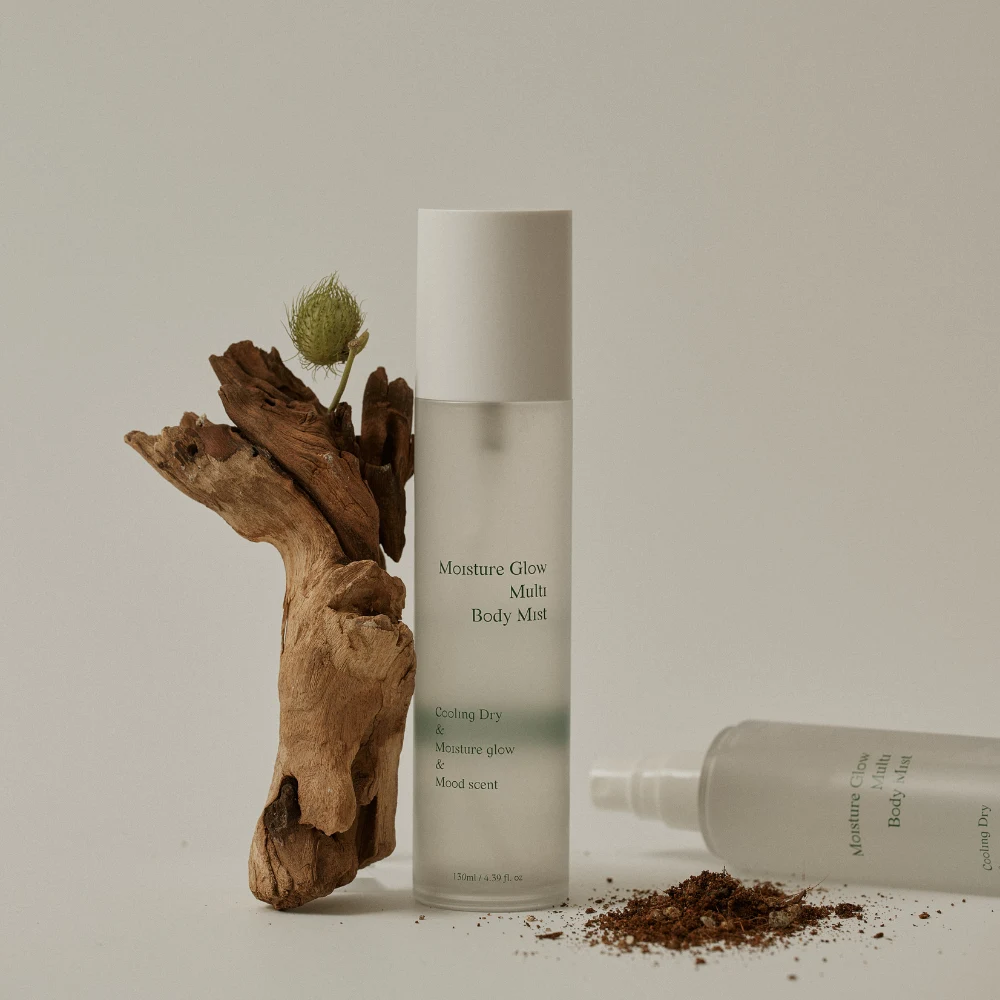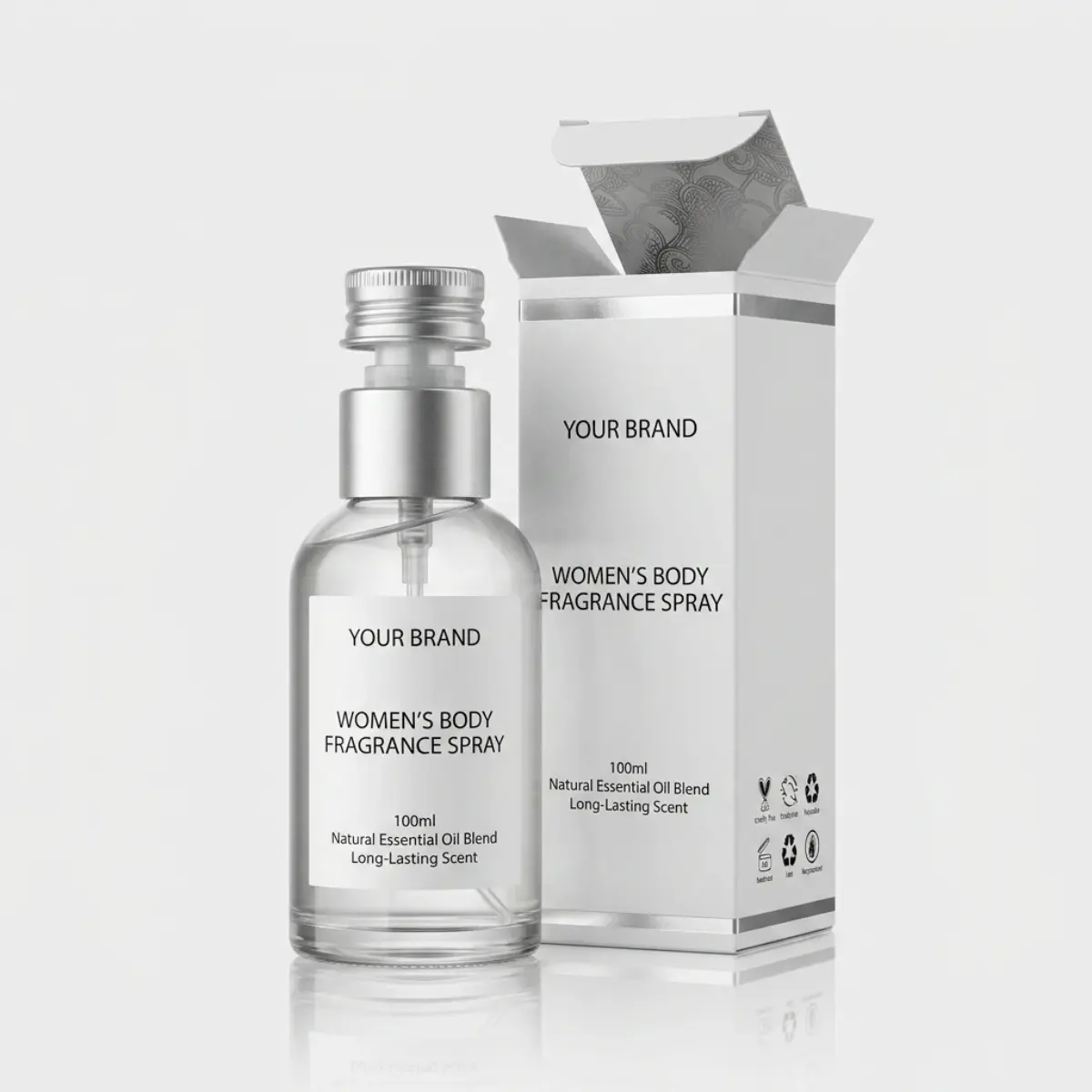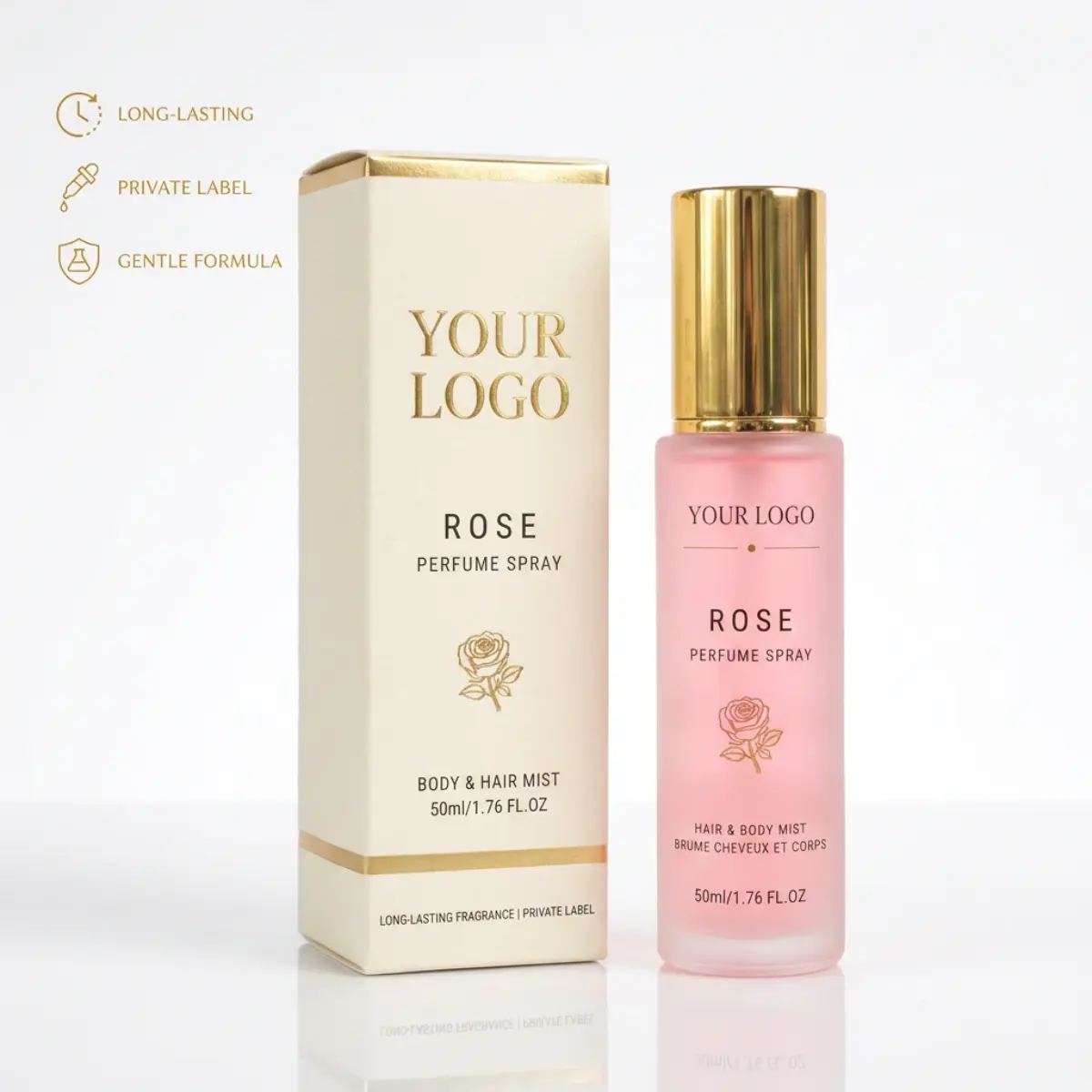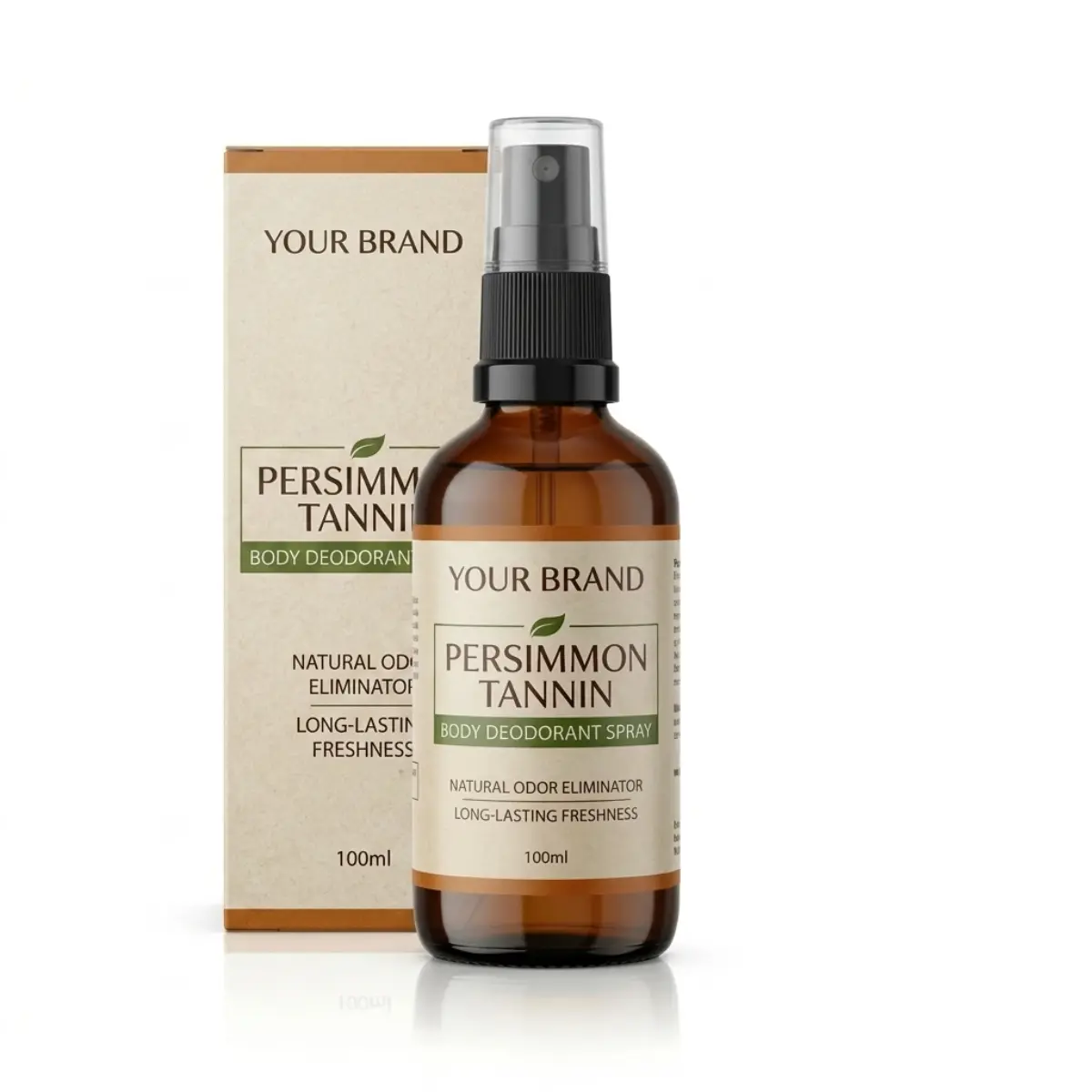

مؤسسة تحدثت معها في الربيع الماضي أنفقت نحو 2,000 دولار على زجاجات مخصصة من الزجاج المصنفر قبل أن تؤكد حتى تركيبة العطر. كانت الرائحة التي أحبّتها لاحقًا تحتاج إلى عنق أطول لمرذاذها. لم تتوافق الزجاجات. وتحمّلت الخسارة. ذلك الخطأ الواحد في ترتيب الخطوات هو السبب في وجود هذا الدليل.
إليك النسخة المختصرة إذا كنت ستقرأ فقرة واحدة فقط: لست بحاجة إلى مصنع. يمكنك الشراكة مع مُصنِّع عطور بعلامة خاصة، وتثبيت العطر والتغليف بالترتيب الصحيح، وتسوية متطلبات الملصقات الخاصة بالسوق الذي تستهدفه، ثم الإطلاق بميزانية محدودة مع دفعة أولى صغيرة. أنفق المال أولًا على التركيبة، ثم على التغليف، وبعد ذلك فقط على كل شيء آخر بعد أن يستقر هذان العنصران.
هل يستحق إطلاق علامة تجارية خاصة برذاذ الجسم فعلًا؟
لنكن صريحين قبل أن تنفق دولارًا واحدًا. يقع رذاذ الجسم في نقطة مثالية — أقل تكلفة في الإنتاج من العطور الفاخرة، لكنه يحمل الجاذبية العاطفية نفسها التي تدفع إلى تكرار الشراء. وقد نما هذا القطاع بثبات، وجذبت الروائح الأخف القابلة للتنسيق مع غيرها المتسوقين الأصغر سنًا الذين لن ينفقوا 120 دولارًا على ماء عطر.
ما العيب؟ الهوامش جيدة، لكن التسويق يلتهمها إذا سعّرت المنتج بشكل خاطئ. هذا ليس نموذجًا للدخل السلبي.
الحسابات وراء هوامش رذاذ الجسم
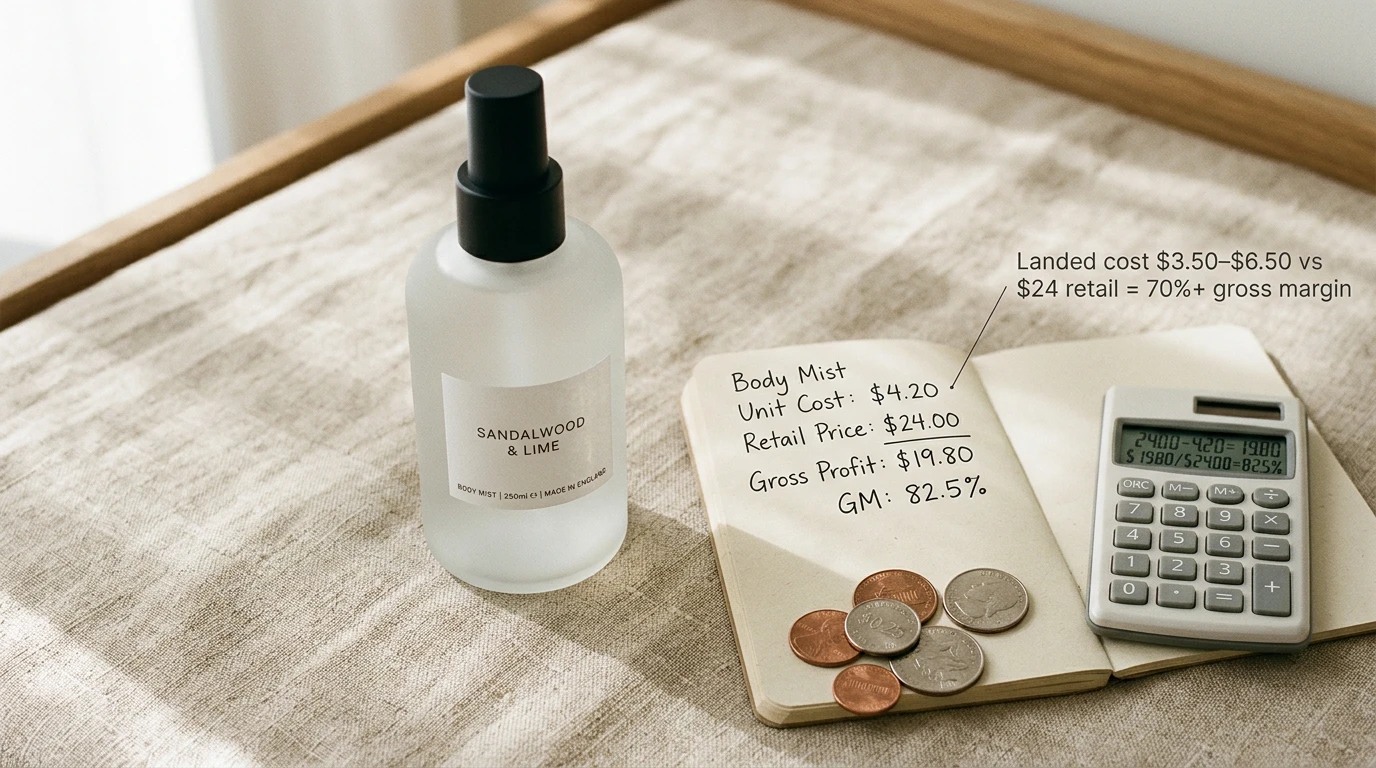
إليك كيف تبدو عادةً اقتصاديات الوحدة لمنتج رذاذ قياسي بسعة 250ml. هذه أرقام نموذجية لهذا القطاع، وليست وعدًا — إذ تتغير أرقامك بحسب تركيز العطر وخيارات التغليف.
| عنصر التكلفة | النطاق النموذجي (للوحدة) |
|---|---|
| التركيب + التعبئة | $1.80–$3.50 |
| الزجاجة + الغطاء + الرشاش | $0.90–$2.20 |
| الملصق + التغليف الثانوي | $0.40–$1.10 |
| سعر التجزئة (DTC) | $16–$32 |
تتراوح تكلفة الوصول للوحدة عادةً بين $3.50 و$6.50. وعند سعر تجزئة يبلغ $24، فهذا يعني هامش ربح إجمالي يتجاوز 70% — لكن تذكّر أن هامش الربح الإجمالي ليس ربحًا صافيًا. فتكاليف الإعلانات ورسوم المنصة والإرجاعات تُخصم من هذا الهامش.
من يناسبه نموذج العمل هذا (ومن لا يناسبه)
يعمل هذا النموذج بشكل جيد إذا كنت مرتاحًا للتسويق ويمكنك تحمّل بطء دوران المخزون أثناء بناء جمهورك. قد يستغرق تصريف الدفعة الأولى البالغة 1,000 وحدة من ثلاثة إلى ستة أشهر إذا كنت تبدأ من الصفر.
لا يُعد خيارًا مناسبًا إذا كنت تتوقع تحقيق أرباح بين عشية وضحاها، أو لا تحب إنشاء المحتوى، أو ترغب في تجنب الاحتفاظ بالمخزون. إذا لم يكن الصبر على التدفق النقدي من صفاتك، فستجد هذا المجال مُحبطًا.
الخطوة 1: حدّد زاوية علامتك التجارية قبل أن تتعامل مع مورّد
يأتي التموضع قبل التغليف. سأموت وأنا أدافع عن هذه الفكرة. السبب في أن معظم العلامات التجارية ذات العلامات الخاصة تذوب في بعضها البعض هو أنها تختار زجاجة قبل أن تختار سببًا لوجودها.
اختر مجالًا متخصصًا يمكن الدفاع عنه (وليس فقط "رائحته لطيفة")
"رائحته لطيفة" ليست عملًا تجاريًا. أما وجهة النظر فهي كذلك. بعض الزوايا التي تصمد:
- عطريّ ذواقة محايد جندريًا — نغمات دافئة وصالحة للأكل تُسوَّق للجميع، لا تُلوَّن بالوردي لتناسب النساء فقط.
- رذاذات رياضية للتعافي بعد التمرين — روائح نظيفة ومنعشة وباردة تُرشّ بعد التمرين بدلًا من وضعها فوق رائحة العرق.
- عطر نظيف للبشرة الحساسة — تركيز أقل من العطر، مع مراعاة مسببات الحساسية، نباتي ولم يُختبر على الحيوانات مطلقًا.
- ملفات عطرية ذات طابع ثقافي محدد — عود بارز، أو نفحات زهرية متجذرة في تقليد إقليمي محدد.
بناء قصة عطر يكررها العملاء
لا يتذكر الناس "النوتات العليا للبرغموت". إنهم يتذكرون "ذلك العطر الذي يشبه مطبخ جدتك يوم الأحد". مهمتك هي ترجمة العطر إلى ذكرى أو شعور يمكن للعميل أن ينقله إلى صديق في جملة واحدة.
هذه القصة القابلة للتكرار هي ما يدفع التسويق الشفهي — والتسويق الشفهي هو ما يجعل تكلفة اكتساب العملاء قابلة للاستمرار.
الخطوة 2: اختيار مُصنِّع Body Mist بعلامة خاصة
هذا هو القرار الذي يتوقف عليه كل شيء آخر. إذا أحسنت الاختيار، تصبح بقية الأمور مجرد ترتيبات لوجستية. وإذا أخطأت، فستعود إلى تحمل الخسائر.
العلامة الخاصة مقابل العلامة البيضاء مقابل التخصيص الكامل
تُستخدم هذه المصطلحات بشكل غير دقيق، لذا إليك ما تدفع مقابله فعليًا في كل مستوى.
| النموذج | التحكم في التركيبة | الحد الأدنى المعتاد للطلب | الوقت اللازم للإطلاق |
|---|---|---|---|
| العلامة البيضاء (رائحة جاهزة) | منخفض | 100–500 وحدة | 3–5 أسابيع |
| العلامة الخاصة (شبه مخصص) | متوسط | 500–1,000 وحدة | 6–10 أسابيع |
| تطوير مخصص بالكامل | مرتفع | 1,000–3,000+ وحدة | 3–6 أشهر |
ينبغي أن يبدأ معظم المؤسسين بالخيار الخاص بالعلامة التجارية. ستحصل على تركيبة أساسية راسخة، وتختار من مكتبة عطور، وتُعدّل التركيز والتغليف، وتضع علامتك التجارية عليه — من دون تكلفة ومدة التطوير من الصفر.
كيفية التحقق من مصنّع العطور
اطرح أسئلة صعبة مبكرًا. يجيب المصنّع الجاد عنها دون تردد. قائمة التحقق الخاصة بك:
- الامتثال لممارسات التصنيع الجيدة (GMP) — بالإضافة إلى ISO، والتسجيل لدى FDA، ومن الأفضل أيضًا إجراء تدقيق اجتماعي SMETA إذا كنت تبيع لتجار التجزئة في الأسواق الغربية.
- جرعات العطور المتوافقة مع IFRA — يجب أن يؤكدوا أن روائحهم تقع ضمن حدود الاستخدام الآمن التي تحددها IFRA.
- اختبار الثبات — هل يختبرون انجراف الرائحة والانفصال خلال مدة الصلاحية؟
- مدة إنجاز العينة — من 7 إلى 14 يومًا مدة معقولة بحسب تركيبة المنتج وتعقيد العبوة.
- وثائق المسؤولية — هل يمكنهم توفير بيانات السلامة التي ستحتاجها لإجراءات الامتثال؟
المصنّعون الذين لديهم منشأة بمساحة 40,000 m² و16 خط إنتاج آلي — من النوع الذي يدير OEM/ODM منذ منتصف التسعينيات — يميلون إلى اجتياز هذه القائمة بسهولة. أما العمليات الأصغر فغالبًا لا تستطيع ذلك، وهذا مقبول في أول دفعة صغيرة، لكنه يحد من قدرتك على التوسع.
فهم الحد الأدنى لكمية الطلب (MOQ) وكيفية التفاوض عليه
يبدو MOQ مخيفًا للمؤسسين الجدد أكثر مما ينبغي. الحد الأدنى لكمية الطلب MOQ البالغ 1,000 وحدة يبدو ضخمًا إلى أن تحسب هوامش الربح كما ورد أعلاه.
طرق عملية لجعله أكثر قابلية للإدارة:
تجميع وحدات SKU — اطلب رائحة واحدة عند MOQ بدلًا من تقسيم ميزانيتك على خمس روائح.
اقبل المكوّنات الجاهزة في أول دفعة؛ واحتفظ بالقوالب المخصصة عندما تكون قد أثبتّ الطلب.
اسأل عن تسعير التجربة للدفعة الأولى — فبعض مورّدي body mist ذوي MOQ المنخفض قد يتساهلون في الطلب الأول لكسب العلاقة.
الخطوة 3: أساسيات تركيبة Body Mist التي يجب أن يعرفها كل مؤسس
لست بحاجة إلى أن تكون كيميائيًا. لكن معرفة الأساسيات تمنعك من الانجراف نحو منتج يضر بهوامش ربحك أو بخيارات الشحن لديك.
رذاذات قائمة على الكحول مقابل الرذاذات القائمة على الماء
الرذاذات القائمة على الكحول تنشر العطر بقوة وتجف بسرعة، لكنها قابلة للاشتعال — وهو ما يفعّل قواعد شحن المواد الخطرة ويرفع تكلفة الشحن. أما الرذاذات القائمة على الماء فتكون ألطف على البشرة وأسهل في الشحن، لكن العطر يبقى أقرب ويتلاشى أسرع.
عند إطلاق أولي يستهدف جاذبية واسعة، فإن التركيبات القائمة على الماء (أو منخفضة الكحول) تُبسّط العمليات اللوجستية بشكل ملحوظ.
تركيز العطر ولماذا يحدد فئة السعر الخاصة بك
عادةً ما تحمل رذاذات الجسم تركيز عطر يتراوح بين 1–4%. هذا الرقم وحده يحدد بهدوء موقع علامتك التجارية في السوق.
يُقرأ التركيز البالغ 1.5% على أنه خفيف وعفوي — مناسب للميزانية واليومية. وعند الارتفاع إلى 3.5–4%، يدوم العطر لفترة أطول، مما يتيح لك وضع المنتج بصدق في فئة premium وفرض سعر أعلى عليه. هذه هي الأداة التي يغفل عنها معظم المؤسسين عندما تتم مناقشة تطوير منتجات body mist المخصصة.
طلب العينات وتقييمها باحترافية
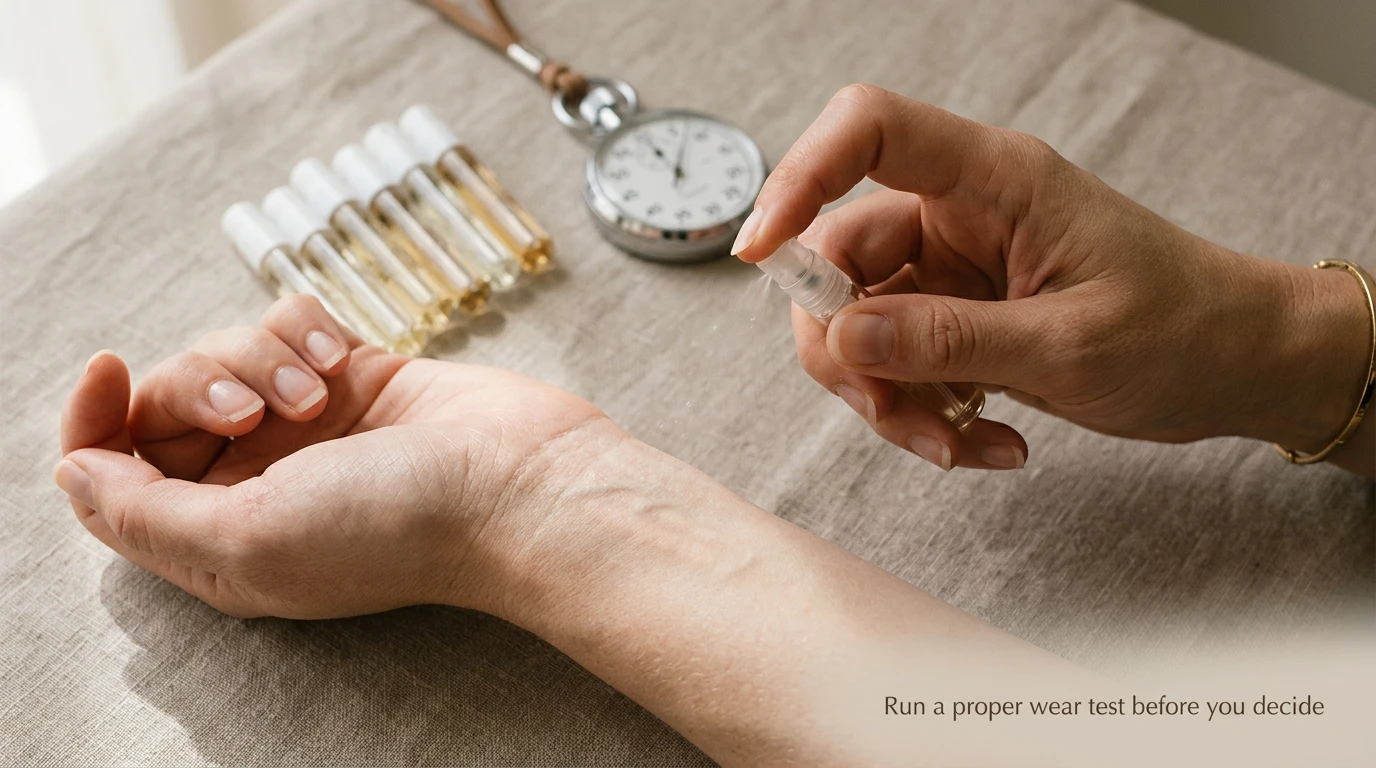
عند وصول العينات، لا تكتفِ برشها على معصمك واتخاذ القرار خلال خمس ثوانٍ. أجرِ اختبار ارتداء فعليًا:
طبّقها بشكل أعمى — غطِّ الملصقات حتى لا يؤثر الاسم التجاري على حكمك.
تحقق من تغيّر الرائحة عند علامات ساعة واحدة، وثلاث ساعات، وست إلى ثماني ساعات. بعض الرذاذات تصبح حامضة أو باهتة مع الوقت.
وثّق أي تفاعلات جلدية عبر عدة مختبرين من ذوي أنواع البشرة المختلفة.
الخطوة 4: التعبئة والتغليف ومورّدو Cosmetic Packaging
هذا هو بالضبط الموضع الذي تعثر فيه المؤسس الذي ذكرتُه في المقدمة. فالتغليف هو الجانب الذي يبالغ الناس في الإنفاق عليه ويلتزمون به مبكرًا أكثر من اللازم.
مواءمة شكل العبوة مع علامتك التجارية وميزانيتك
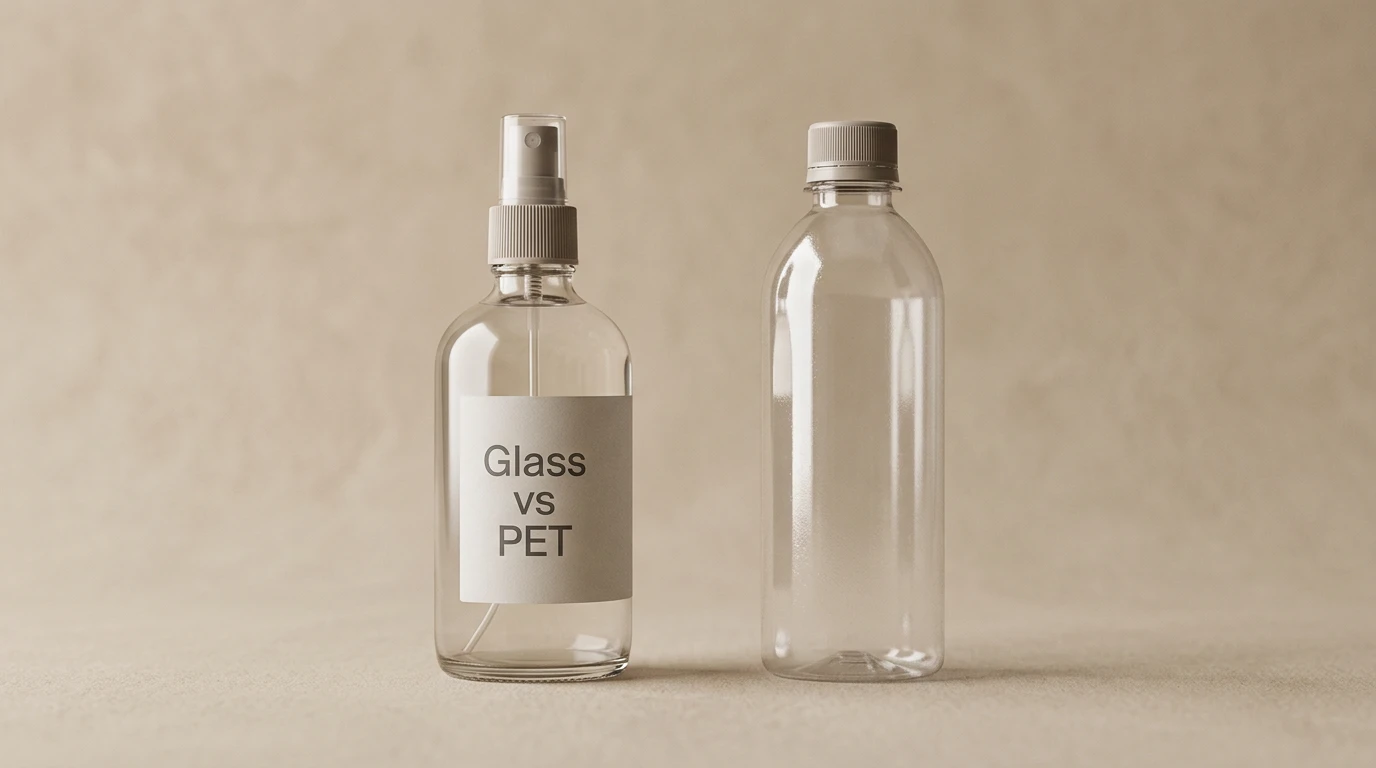
يوحي الزجاج بالفخامة ويبدو رائعًا في الصور — لكنه أثقل في الشحن وأكثر عرضة للكسر أثناء النقل. أما بلاستيك PET فهو أخف وزنًا، ومقاوم للكسر، وأقل تكلفة، مما يجعله مناسبًا لوضعية المنتجات الرياضية أو الخاصة بالسفر. ويمنح البخاخ ذي الرذاذ الناعم إحساسًا أكثر رقيًا من الزناد الرذاذي الخشن؛ يلاحظ المشترون ذلك حتى إن لم يستطيعوا التعبير عن السبب.
تأمين المكونات دون تجاوز ميزانيتك
في الدفعة الأولى، اشترِ عبوات جاهزة. نقطة. القوالب المخصصة جميلة للغاية، لكن تكاليف الأدوات تتراوح عادة بين 3,000–$10,000+ ولا تكون مجدية إلا عندما يبرر الحجم ذلك. يقدّم العديد من موردي عبوات مستحضرات التجميل الجيدة عبوات جاهزة تبدو فاخرة جدًا مع الملصق المناسب.
أثبت الفكرة باستخدام مكونات جاهزة. أعد استثمار الأرباح في القوالب المخصصة، لا من ميزانية الإطلاق الخاصة بك.
الخطوة 5: الوسم والامتثال والمتطلبات القانونية
تجاهل هذا القسم وتعرّض لغرامات، أو مصادرة الشحنات، أو إعادة وسم إلزامية للدفعة الأولى بالكامل. ليس أمرًا جذابًا، لكنه لا مفر منه.
لوائح وسم منتجات التجميل التي لا يمكنك تجاهلها
تختلف المتطلبات بحسب السوق. الأساسيات هي:
- الولايات المتحدة — تسجيل المنشأة وإدراج المنتج ضمن MoCRA، بالإضافة إلى قواعد وسم مستحضرات التجميل الصادرة عن FDA (الهوية، والكمية الصافية، والمكونات، واسم الشركة وعنوانها).
- الاتحاد الأوروبي — إشعار CPNP وتعيين شخص مسؤول معتمد في الاتحاد الأوروبي قبل أن تتمكن من البيع.
- في كل مكان — قائمة كاملة بمكونات INCI، والكمية الصافية، والإفصاح عن أي من مسببات الحساسية العطرية التي تتطلبها اللوائح.
لوائح وسم المنتجات التجميلية هذه ليست اختيارية، و"لم أكن أعلم" ليس دفاعًا يقبله موظف الجمارك.
تسجيل نشاطك التجاري وحماية اسم العلامة التجارية
أنشئ كيانك القانوني، ثم أجرِ بحثًا عن العلامة التجارية قبل طباعة أي ملصق واحد. التحقق من الاسم مبكرًا قليل التكلفة. اكتشاف تعارض بعد طباعة 1,000 ملصق ليس كذلك.
الخطوة 6: الإطلاق بشكل مرن — من أول دفعة إلى أول عملية بيع
تسعير يحقق الربح، وليس مجرد المنافسة
من الأخطاء الشائعة لدى المبتدئين التسعير بهدف خفض أسعار المنافسين. هكذا تموت العلامات التجارية — إذ تعجز عن تحمّل الإعلانات مع هوامش ربح ضئيلة للغاية. استخدم قاعدة بسيطة: ينبغي أن يكون سعر التجزئة عند نحو 4–5 أضعاف تكلفة وصول المنتج إليك، بحيث تبقى هناك مساحة للشحن، والإرجاع، ورسوم المنصة، والتسويق.
أين تبيع أولًا: DTC مقابل الأسواق الإلكترونية مقابل البيع بالجملة
- Shopify (DTC) — أفضل هوامش ربح، وتحكم كامل بالعلامة التجارية، لكنك تدفع مقابل كل زائر عبر الإعلانات.
- Etsy — حركة تصفح مدمجة، مناسبة للتحقق المبكر من جاذبية قصة عطر متخصصة.
- Amazon — وصول هائل، ومنافسة ورسوم شديدة؛ قوية عندما يكون لديك تقييمات.
- التجزئة المحلية / البيع بالجملة — هامش ربح أقل لكل وحدة، لكنها تحرك حجمًا أكبر وتبني المصداقية.
ابدأ بقناة واحدة يمكنك إدارتها بكفاءة فعلية. التوزع بشكل مفرط على أربع قنوات عند الإطلاق هو طريقة موثوقة لعدم إتقان أي شيء.
أخطاء شائعة تُفشل العلامات التجارية الجديدة لرذاذ الجسم
- طلب العبوات قبل اعتماد التركيبة النهائية — الخطأ الدقيق الذي كلف المؤسس الذي أطلق المشروع $2,000.
- التقليل من أهمية ثبات العطر — فالرائحة التي تصبح غير مناسبة بعد أربعة أشهر تعني المرتجعات وتقييمات بنجمة واحدة.
- تجاهل قواعد شحن القابلية للاشتعال — لا يمكن شحن الرذاذات القائمة على الكحول ببساطة ضمن طرد قياسي.
- تسعير منخفض جدًا لا يتحمل تكاليف التسويق — السعر الرخيص يبدو كرمًا إلى أن تعجز عن تحمل تكلفة إعلان واحد.
هل أنت مستعد لبناء علامتك التجارية؟ ابدأ من هنا
قبل أن تنفق على المخزون، احسم تموضعك وتركيبتك. هذا الترتيب يحمي ميزانيتك وراحتك النفسية.
إذا كنت مستعدًا للانطلاق، فاطلب عينات من مُصنِّع معتمد، وأجرِ اختبار استخدام مناسبًا، وثبّت عطرك قبل الالتزام بزجاجة واحدة. تواصل للحصول على استشارة في التركيب وعيناتك المخصصة الأولى — وابدأ في بناء علامة تجارية يتذكرها العملاء فعلًا، لا مجرد رذاذ آخر على رف مزدحم.
الأسئلة الشائعة
س: كم تبلغ تكلفة بدء علامة تجارية لرذاذ الجسم من المنزل؟
ج: عادةً ما تتراوح الدفعة الأولى المحدودة بين $2,500–$8,000. ويشمل ذلك الحد الأدنى لطلب العلامة الخاصة، والتغليف الجاهز بالمخزون، وتصميم الملصقات وطباعتها، وملفات الامتثال الأساسية، وسيولة تسويقية صغيرة. أما اختيار القوالب المخصصة أو التطوير المخصص الكامل فيرفع التكلفة إلى ما هو أبعد بكثير من هذا النطاق.
س: ما هو الحد الأدنى لكمية الطلب لعطر الجسم بالعلامة الخاصة؟
ج: عادةً ما تتراوح الكميات الدنيا للطلبات في العلامة الخاصة بين 500 و1,000 وحدة. ويمكن لبرامج العلامة البيضاء التي تستخدم روائح جاهزة أن تبدأ من 100–500. أما التطوير المخصص بالكامل فيبدأ عادةً من 1,000 وحدة ويزداد من هناك.
س: هل يمكنني إنشاء رائحة مخصصة لعطر الجسم دون ميزانية كبيرة؟
ج: نعم — من خلال المزج شبه المخصص. فبدلاً من تطوير عطر من الصفر، تبدأ باستخدام قاعدة موجودة لدى الشركة المصنعة وتعدّل النوتات والتركيز. إنها المسار المتوسط الميسور التكلفة، وهو ما يبدأ به معظم عملاء مصنعي عطر الجسم بالعلامة الخاصة لأول مرة.
س: هل أحتاج إلى موافقة FDA لبيع عطر الجسم في الولايات المتحدة؟
ج: لا — مستحضرات التجميل لا تحصل على موافقة مسبقة من FDA بالطريقة التي تحصل بها الأدوية. لكن يجب عليك الالتزام بقواعد وسم مستحضرات التجميل الخاصة بـ FDA والامتثال لمتطلبات التسجيل وإدراج المنتجات ضمن MoCRA. إن عبارة "غير معتمد مسبقًا" لا تعني "غير خاضع للتنظيم."
س: كم من الوقت يستغرق إطلاق علامة تجارية لعطر الجسم؟
ج: خطّط لمدة 6–12 أسبوعًا لإطلاق بعلامة خاصة — 7–14 يومًا للعينات، ثم نحو 25–30 يومًا للإنتاج بالجملة، بالإضافة إلى تصميم الملصق والشحن. أما التطوير المخصص بالكامل فيمتد إلى ثلاثة إلى ستة أشهر.